Category: Crypto & Blockchain - Page 6

Crypto Adoption in Russia: How Sanctions and Regulations Shape Digital Finance
Over 20 million Russians use cryptocurrency despite legal restrictions, turning crypto into a lifeline for cross-border payments and inflation protection amid sanctions. Here's how it works - and what's next.

Platform Cryptocurrency Scalability Solutions: How Blockchains Handle More Transactions Without Slowing Down
Blockchain scalability solutions like Layer 1 upgrades and Layer 2 Rollups are making crypto faster and cheaper. Learn how Ethereum, Bitcoin, and others handle thousands of transactions per second without sacrificing security.
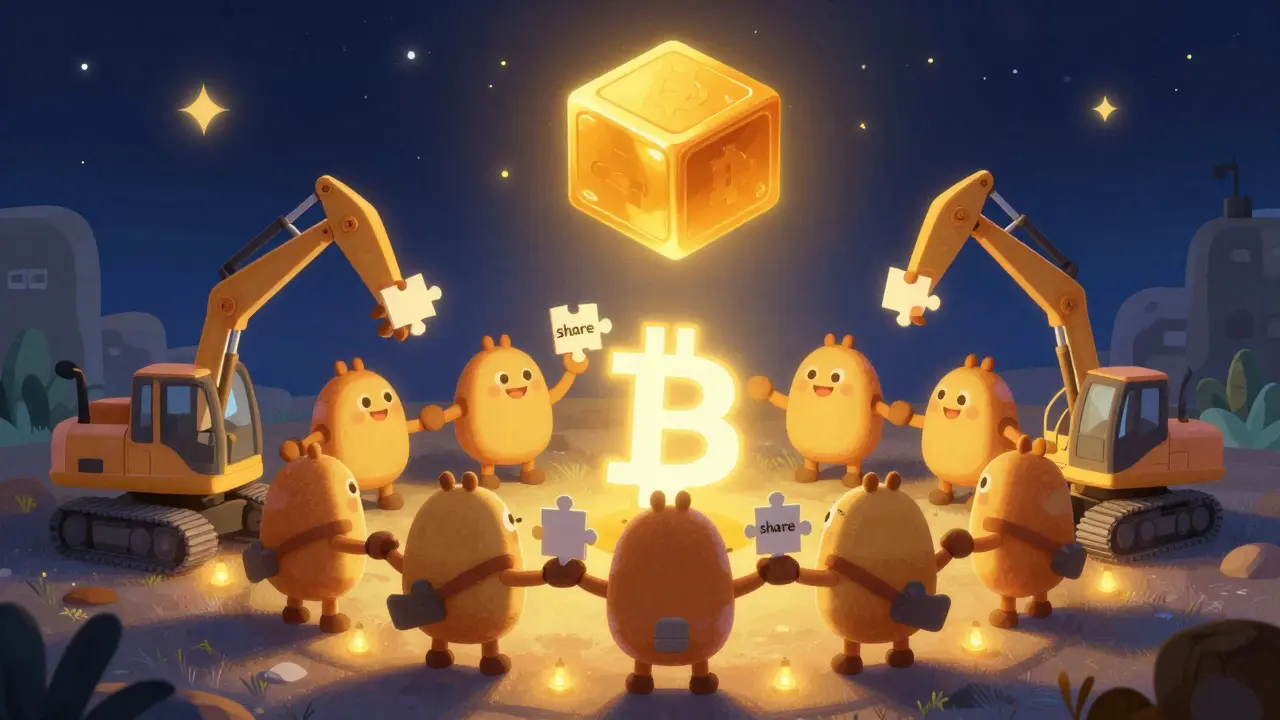
What Are Cryptocurrency Mining Pools and How Do They Work?
Cryptocurrency mining pools let individual miners combine computing power to earn more consistent Bitcoin rewards. Learn how they work, which pools to choose, and whether mining is still profitable in 2025.

Government Blockchain Voting Pilots: What’s Working, What’s Not, and Why No Country Goes Full Digital Yet
Government blockchain voting pilots have tested secure digital voting for military and local voters, but no country uses it for national elections. Learn why the tech works in small tests - and fails under real pressure.
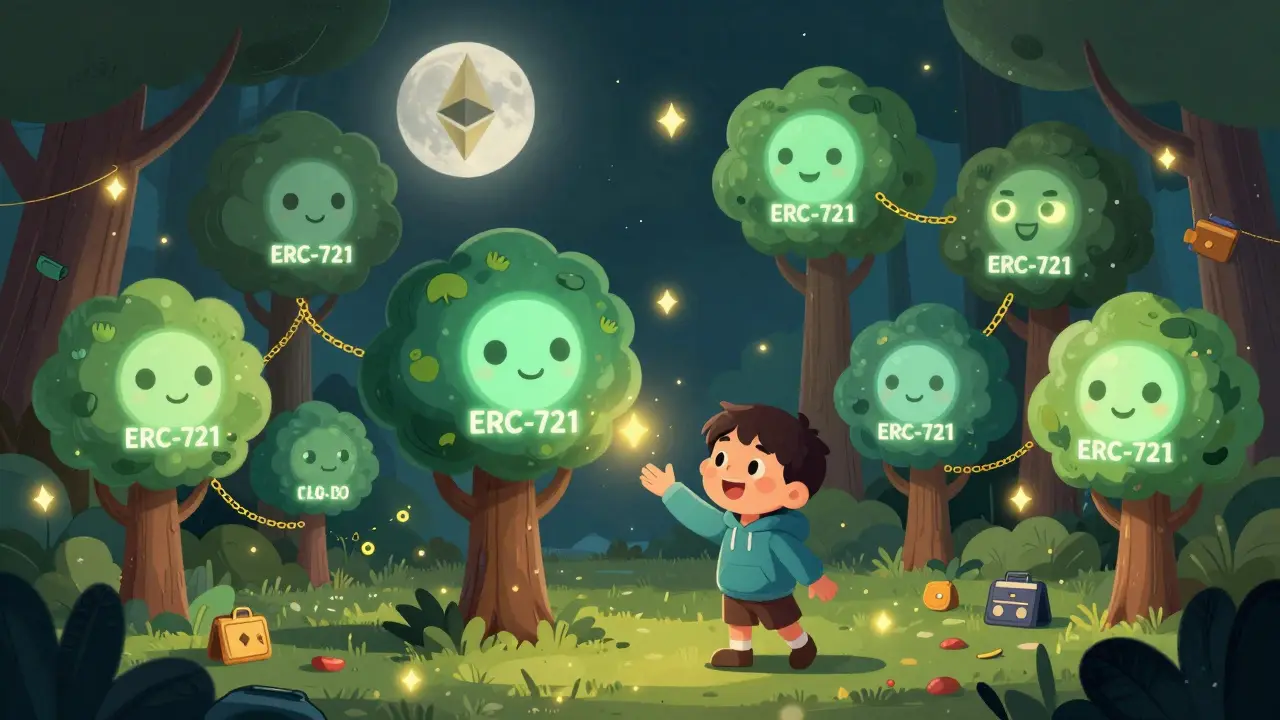
NFT Standards on Different Blockchains: ERC-721, ERC-1155, SPL, FA2, and More Compared
NFT standards vary across blockchains like Ethereum, Solana, and Polygon. Learn how ERC-721, ERC-1155, SPL, and FA2 impact cost, speed, and utility - and which one to choose for your use case.
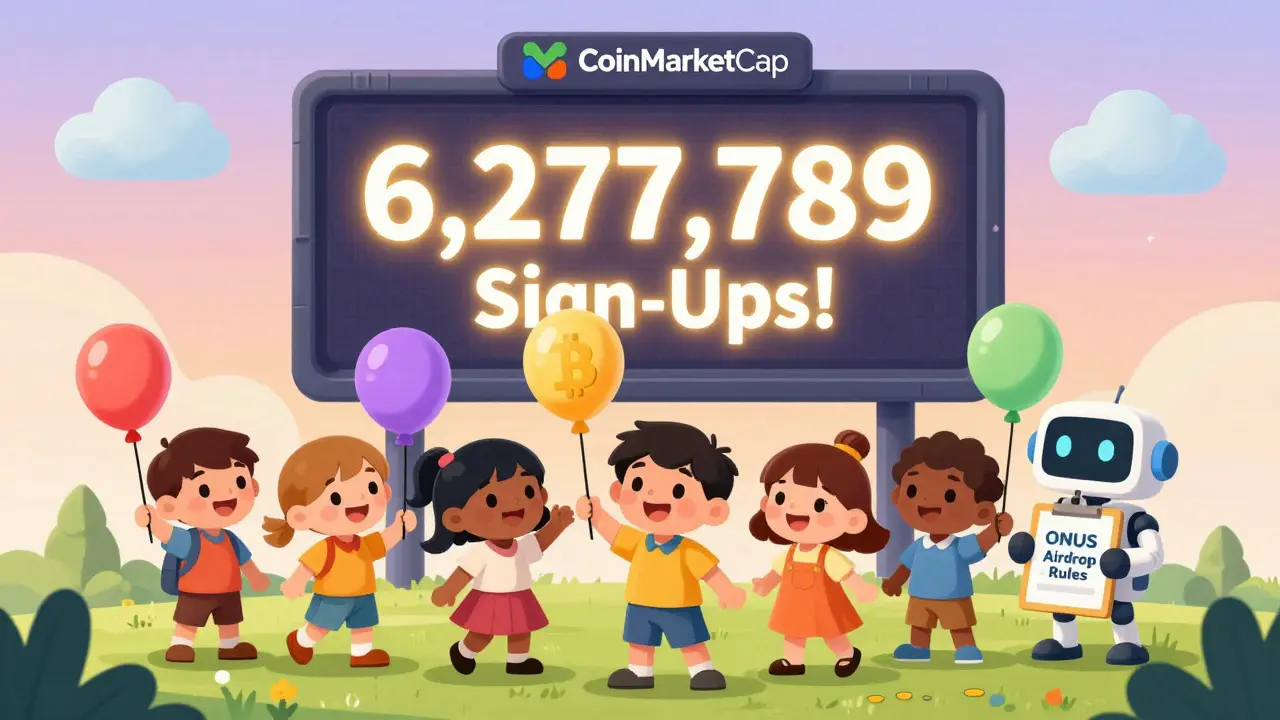
ONUS x CoinMarketCap Airdrop: How It Worked and What Happened After
The ONUS x CoinMarketCap airdrop in March 2022 drew over 6 million participants with 75,000 ONUS tokens up for grabs. Winners had to use RICE Wallet, turning free tokens into long-term users. ONUS is still active today with updated trading features and token utility.

ASIC Miner Profitability Calculator: How to Know If You’re Really Making Money
Learn how to use an ASIC miner profitability calculator to avoid losing money on Bitcoin mining. See which tools are accurate, what inputs matter most, and how to calculate real returns in 2025.

How Cryptocurrency Mixing Services Enable North Korea’s Money Laundering Operations
Cryptocurrency mixing services are being exploited by North Korea to launder billions in stolen crypto. Learn how these tools work, why they’re hard to stop, and what’s being done to stop them.

Sentiment Indicators and Tools in Blockchain and Crypto Markets
Sentiment indicators in crypto measure public emotion from social media and forums to predict market moves. AI tools now detect sarcasm, urgency, and tone-helping traders spot trends before prices shift.

A.O.T CMC X Age of Tanks Campaign Airdrop: How to Claim Your Free NFT Tank
Claim a free Age of Tanks NFT tank through CoinMarketCap’s $60,000 airdrop. 700 guaranteed winners, no purchase needed. Play-to-earn strategy game with tradable NFT tanks.
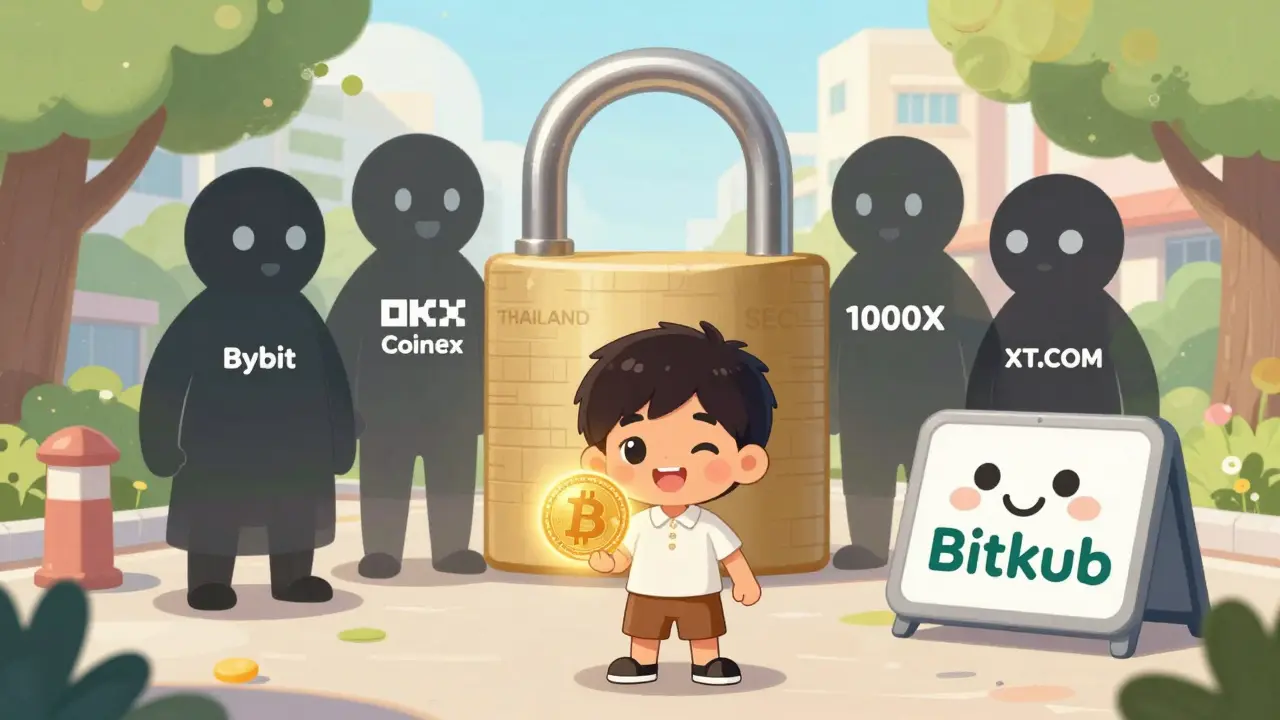
Thailand Bans Foreign P2P Crypto Platforms in 2025 Crackdown
Thailand banned foreign P2P crypto platforms in 2025 to stop scams and money laundering. Bybit, OKX, and others were blocked, leaving users with one month to withdraw assets. Only locally licensed exchanges remain legal.

Options Trading in Cryptocurrency: How It Works and Why Traders Use It
Crypto options let you speculate on Bitcoin and Ethereum prices without owning the assets. Learn how call and put options work, their risks, and why traders use them for protection and leverage in 2025.