AMIFS Hub Archive: Crypto Airdrops, Markets, and Fundamentals from October 2025
When you look at AMIFS, a practical crypto platform focused on airdrops, markets, insights, fundamentals, and swaps. Also known as Airdrops, Markets, Insights, Fundamentals & Swaps, it’s not just another crypto news site—it’s a toolkit for people who want to find real value, not just hype. In October 2025, the focus was sharp: real airdrops that were live and claimable, not just rumors. We tracked which projects actually distributed tokens, which wallets got paid, and which ones turned out to be dead ends. No fluff. Just what worked.
That month, crypto markets, the real-time price movements and trading patterns across major and emerging blockchains. Also known as digital asset markets, it shifted fast. Bitcoin stabilized after a summer rally, while smaller chains like Sei, Monad, and Berachain saw sudden spikes from new DeFi integrations. We broke down why some tokens rose without big announcements—often because of hidden liquidity moves or exchange listings that hadn’t hit mainstream news yet. Meanwhile, blockchain fundamentals, the core tech, tokenomics, and team activity that determine if a project has staying power. Also known as on-chain analysis, it became the filter we used to separate noise from opportunity. Projects with active GitHub commits, growing wallet counts, and clear utility guides got highlighted. Those with vague whitepapers and no code updates? We skipped them.
swaps, the direct exchange of one crypto asset for another without needing a centralized exchange. Also known as decentralized swaps, it was everywhere in October. Users were moving from high-fee chains to low-cost ones using AMIFS’s built-in swap tool, cutting costs by up to 70% on average. We showed how to do it safely—what slippage settings to use, which liquidity pools had real volume, and which ones were traps. The goal? Make swapping feel as easy as sending a text, not like gambling on a roulette wheel.
What you’ll find in this archive
This collection isn’t just a list of old posts. It’s a snapshot of what mattered in October 2025: real airdrop claims that paid out, market moves that surprised even experts, and fundamentals that proved some projects were building something real. You’ll find step-by-step guides on claiming tokens, comparisons of the best exchanges for low fees, and breakdowns of tokenomics that actually made sense. No vague theories. No recycled opinions. Just the facts people used to make money—or avoid losing it.
If you’re looking for what worked last October, this is where you start. The lessons here still apply today. Because in crypto, the smartest moves aren’t the loudest ones—they’re the ones that stick around after the hype fades.

POTS Airdrop by Moonpot: What You Need to Know Before You Participate
No official POTS airdrop exists from Moonpot. Beware of fake claims online. Learn how to spot scams, verify official sources, and protect your crypto wallet from fraud.

Huckleberry Crypto Exchange Review: A Deep Look at the Clover Network DEX
Huckleberry is a specialized DeFi exchange on the Clover and Moonriver blockchains, offering seamless cross-chain swaps between Ethereum and Polkadot. Ideal for niche users, it lacks volume but delivers unique integration.

IMM Airdrop: What We Know (and What We Don’t) About the Alleged IMM Token Drop
There is no legitimate IMM airdrop in 2025. Any site claiming otherwise is a scam designed to steal your crypto. Learn how to spot fake airdrops and protect your wallet.

HUSL NFT Airdrop: How to Participate in The HUSL MEXC Kickstarter Campaign and Earn HUSL Tokens
Learn how to participate in The HUSL NFT airdrop via MEXC's Kickstarter campaign, earn HUSL tokens, and support a blockchain platform that gives artists full ownership of their music.
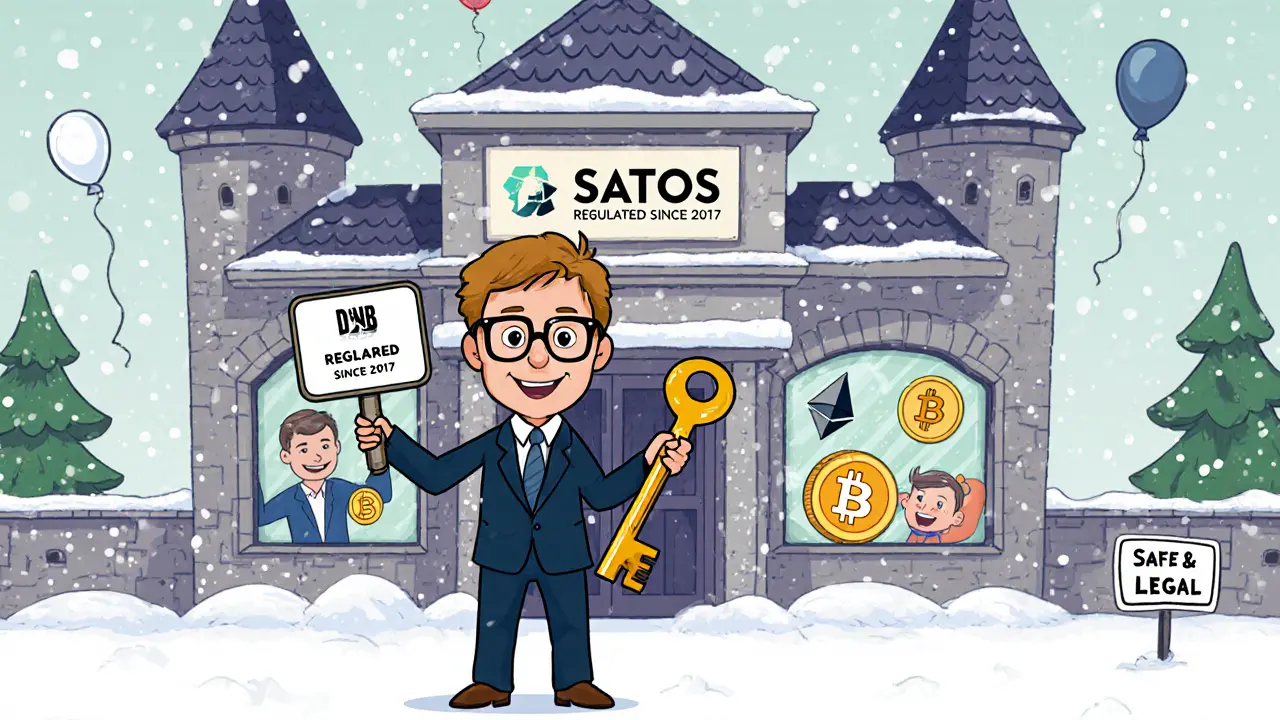
SATOS Crypto Exchange Review: Is It the Best Choice for Dutch Crypto Users in 2025?
SATOS is a regulated Dutch crypto exchange supervised by De Nederlandsche Bank. With 1% trading fees, bank-only deposits, and Dutch-only support, it's ideal for risk-averse users seeking legal protection over low costs. Best for Dutch residents wanting safe, compliant crypto access.
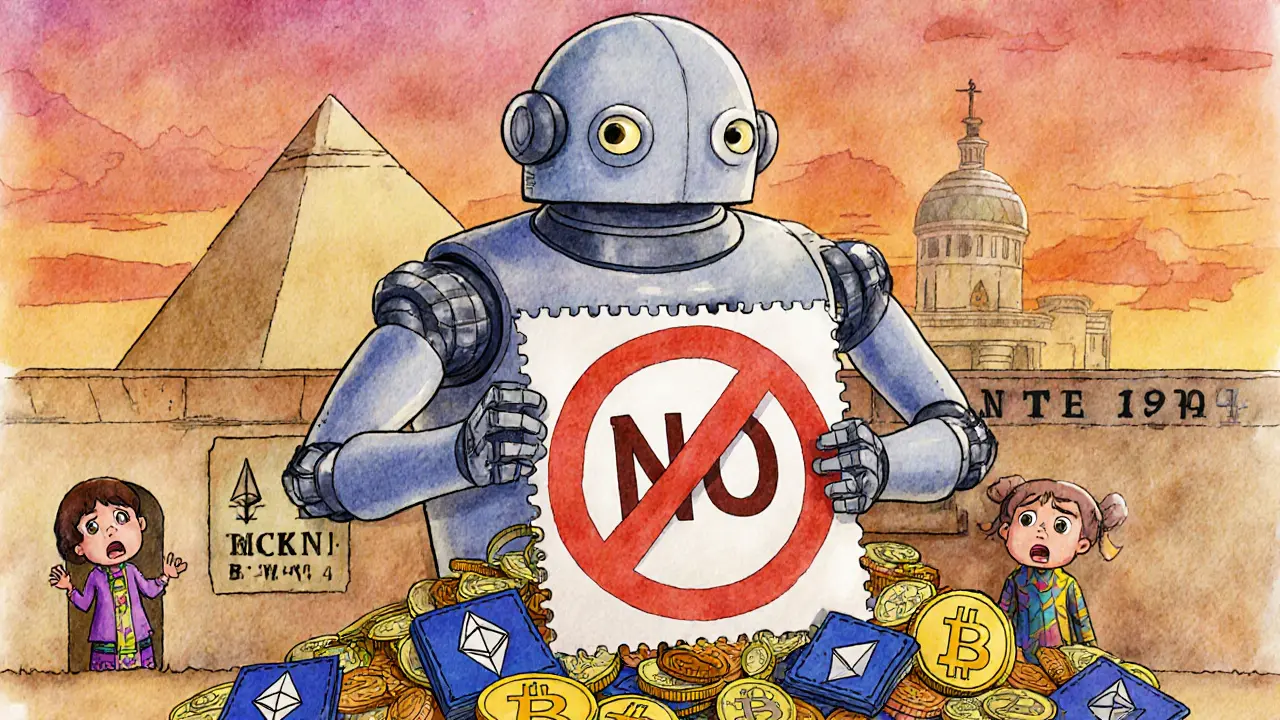
Complete Crypto Ban in Egypt: What Law 194 of 2020 Really Means
Egypt's Law 194 of 2020 banned all cryptocurrency activities without Central Bank approval. No licenses have been granted. Millions still use crypto underground, while startups flee and assets freeze. The ban is strict, controversial, and shows no signs of lifting.

Wealth Tax Treatment of Crypto in Switzerland: What You Need to Know in 2025
Switzerland taxes crypto as wealth, not gains. Private investors pay no capital gains tax, but must declare holdings annually at year-end value. Rates vary by canton, with 0.3%-1% applied to total crypto wealth. Professional traders are taxed as income.

Blockchain Forensics Tools: Chainalysis vs Elliptic for Crypto Tracing
Chainalysis and Elliptic are the two leading blockchain forensics tools used to trace cryptocurrency transactions. Learn how they work, their key differences, and why law enforcement and financial institutions rely on them to combat crypto crime.

Zeedex BSC Crypto Exchange Review: Is This Binance Smart Chain DEX Worth Your Time?
Zeedex is a BSC-based DEX with a promising model, but its ZDEX token has zero circulating supply and no audits. Without transparency or volume, it's not a safe or practical choice for traders in 2025.

Why Your Bank Account Got Frozen for Crypto Activity in 2025
In 2025, your bank can freeze your account for crypto activity-even if you did nothing wrong. Here’s why it’s happening, how it works, and what you can do to protect yourself.

Airdrop Eligibility Requirements: How to Qualify for Free Crypto Tokens in 2025
Learn the real eligibility requirements for crypto airdrops in 2025-how to qualify, which wallets work, what activities matter, and how to avoid scams. No fluff, just what actually gets you free tokens.

Future of Crypto Securities Law in the U.S. After 2025 Breakthroughs
After historic 2025 legislation and SEC reforms, U.S. crypto securities law now offers clarity for developers, investors, and banks. Learn how the GENIUS Act, CLARITY Act, and Project Crypto are reshaping digital asset regulation.