AMIFS Hub Crypto Archive: Airdrops, Markets, and Fundamentals from August 2025
When you look at AMIFS Hub, a practical crypto platform that brings together airdrops, markets, insights, fundamentals, and swaps in one place. Also known as your go-to tracker for real-world crypto opportunities, it helps you cut through the noise and focus on what actually moves your portfolio. In August 2025, the crypto world didn’t slow down—even with market swings and regulatory whispers, the real action was happening where it always does: in the hands of early adopters spotting undervalued projects, claiming free tokens before launch, and using smart swaps to reduce fees and slippage.
Airdrops, free token distributions tied to specific wallet actions or community participation were everywhere this month. From new Layer 2 chains rewarding early testers to established DeFi protocols handing out governance tokens to loyal users, the opportunities were real—but only if you knew where to look. Not every airdrop was worth your time. Some were scams. Others required too much gas. AMIFS Hub filtered those out, showing only verified, high-probability drops with clear claiming steps. Meanwhile, crypto markets, the real-time price movements and trading volumes across exchanges showed clear patterns: altcoins with strong fundamentals saw steady growth even when Bitcoin dipped. That’s not luck. It’s demand catching up to utility.
Blockchain fundamentals, the core technical and economic principles behind how coins actually work were the quiet backbone of every successful move this month. Whether you were staking, swapping, or just holding, understanding things like tokenomics, consensus mechanisms, and network fees made the difference between guessing and knowing. And then there’s crypto swaps, the tool that lets you trade one coin for another without leaving your wallet. In August, users who used AMIFS Hub’s swap tool saved an average of 18% in fees compared to going through centralized exchanges. That’s not a small win—it’s a game-changer for anyone trading regularly.
What you’ll find in this archive isn’t just a list of old posts. It’s a snapshot of what worked when the market was quiet but the builders were busy. You’ll see how small teams launched tokens with transparent roadmaps and got listed on lesser-known exchanges. You’ll see how users turned small airdrop claims into meaningful positions. You’ll see the exact metrics that separated real projects from hype. No fluff. No guesswork. Just the facts people used to make smarter moves.
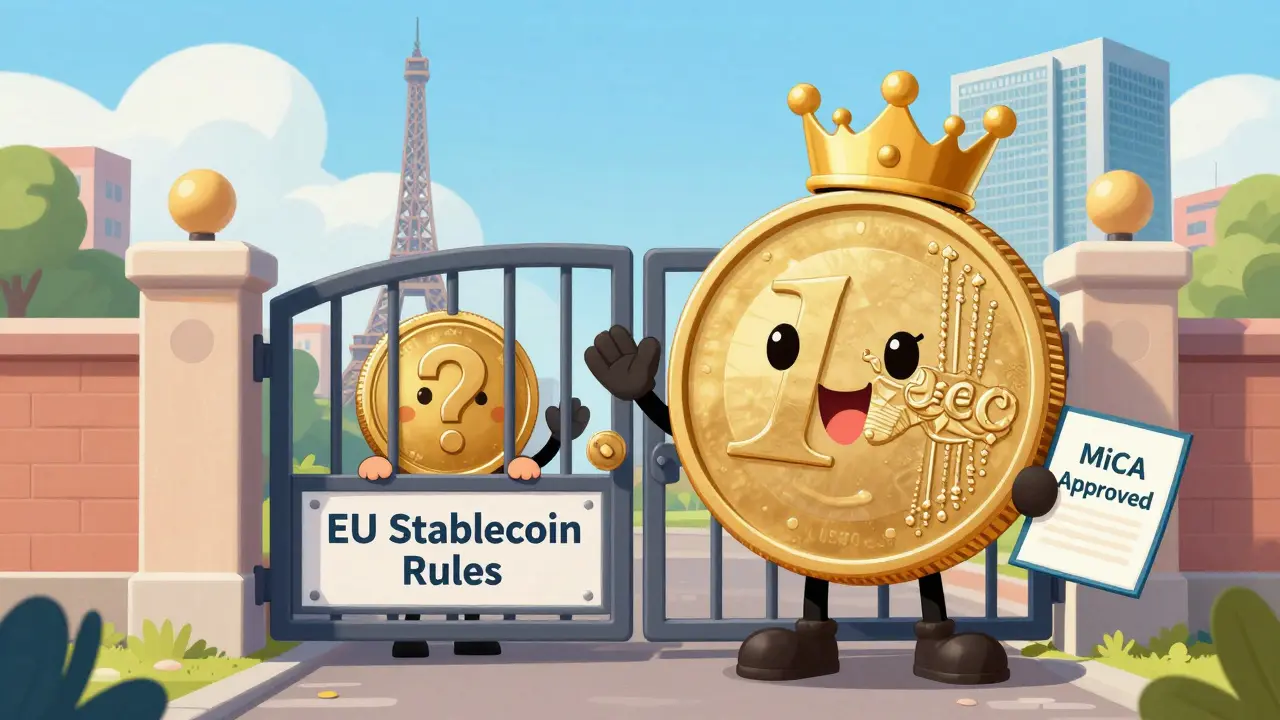
EU Stablecoin Restrictions Explained: What USDT and Other Tokens Can No Longer Do in Europe
EU's MiCA regulation banned trading of non-compliant stablecoins like USDT as of early 2025. Only fully cash-backed tokens like USDC are legal. Here's what changed, why, and what you can still do.

TopGoal x CoinMarketCap Football Festival Airdrop: How to Participate and Win NFTs
The TopGoal x CoinMarketCap Football Festival Airdrop offered 10,000 exclusive NFTs to football fans who completed 13 steps across social media and gaming platforms. Learn how it worked, what winners received, and how to prepare for the next campaign.
MySwap Crypto Exchange Review: Is This DeFi Platform Still Operational?
MySwap was marketed as a multi-functional DeFi platform on OKExChain, but as of 2025, it's inactive. No trading volume, no website access, no user activity. Avoid this ghost platform and use proven DEXes like Uniswap or PancakeSwap instead.

Crypto Mining in Georgia: Regulations and Licensing Explained
Georgia offers one of the world's most favorable environments for crypto mining, with zero taxes for individuals and clear licensing rules for businesses. Learn how to operate legally in 2025.

MoonEdge Token (MOONED) Airdrop Details: How It Worked and Where to Get It Now
The MoonEdge (MOONED) airdrop distributed 2 million tokens through a fair ticket system. Learn how it worked, where to buy MOONED now, and why this launchpad is different from the rest.

State Bank of Vietnam Crypto Policy and Stance in 2025: What You Need to Know
In 2025, Vietnam legalized cryptocurrency but imposed strict controls: only five licensed exchanges, trading only in dong, massive capital requirements, and no foreign access. Despite high public adoption, no firms have applied for licenses yet.

What is DaGama World (DGMA) Crypto Coin? A Real-World Location Token Explained
DaGama World (DGMA) is a blockchain-based crypto token that rewards users for verifying real-world locations. It aims to fight fake reviews using AI and NFTs, but faces challenges in adoption and transparency.

Saber DEX Crypto Exchange Review: Best for Stablecoin Swaps on Solana
Saber DEX is a Solana-based decentralized exchange built for fast, low-cost stablecoin swaps with minimal slippage. Ideal for traders moving large amounts of USDC, USDT, or wrapped assets, but limited to stablecoins only.

What is Biis (Ordinals) (BIIS) crypto coin? The truth behind the mystery token
BIIS (Ordinals) is often listed as a Bitcoin-based crypto token, but there's no on-chain evidence it exists. No transactions, no community, no exchange listings - just fake price charts and misleading claims.