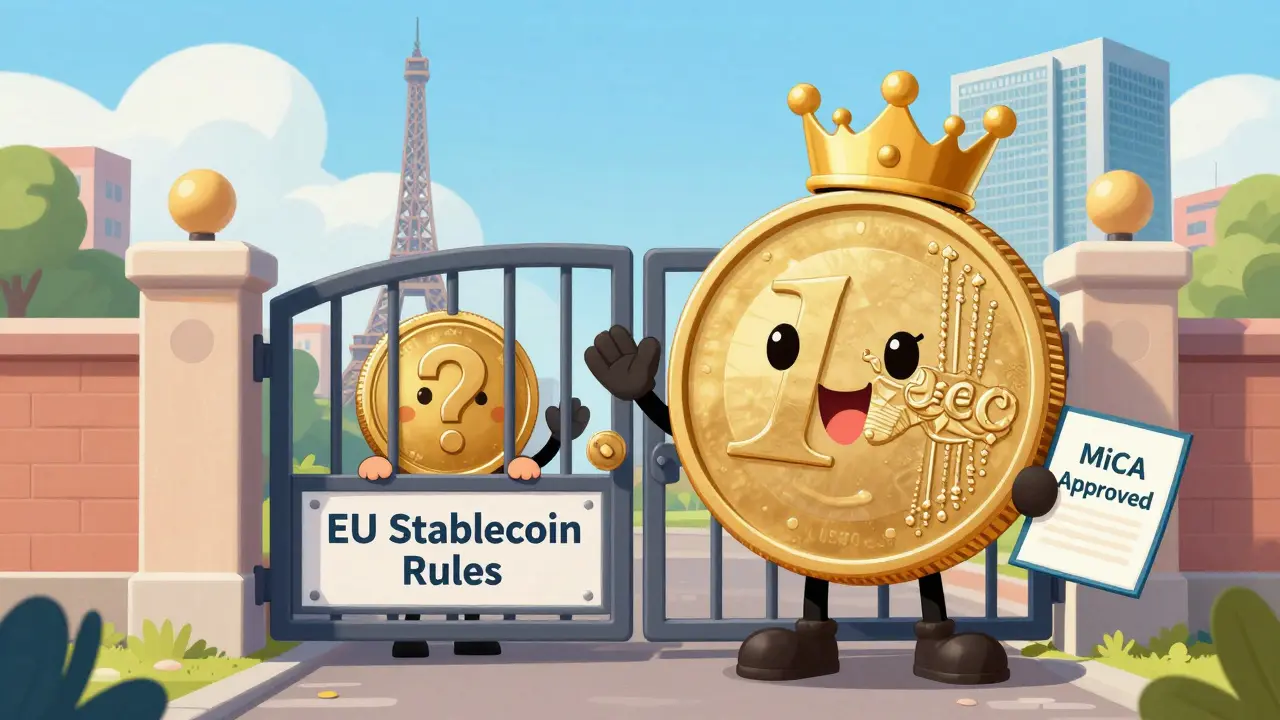
By early 2025, if you were holding USDT in Europe, you suddenly couldn’t trade it on any major exchange. Not because it crashed. Not because it got hacked. But because the European Union said it was no longer legal to trade it at all.
What Changed in Europe?
The EU’s new rule, called MiCA - short for Markets in Crypto-Assets Regulation - went fully live in January 2025. It didn’t just tweak rules. It rewrote the entire game for stablecoins. And USDT, the biggest one in the world, didn’t pass the test. MiCA doesn’t ban crypto. It doesn’t even ban stablecoins. But it demands something simple and strict: if you want to operate in Europe, you must prove your stablecoin is always worth exactly what it says it is. No exceptions. No shortcuts.Why USDT Got Blocked
USDT, issued by Tether, claims to be backed 1:1 by U.S. dollars. But regulators in Europe found the proof shaky. Tether’s reserves include commercial paper, corporate bonds, and other assets that aren’t cash. That’s fine in some places. In Europe? Not anymore. Under MiCA, only two types of stablecoins are allowed:- E-Money Tokens (EMTs) - These must be backed 100% by cash or cash equivalents like government bonds. No risky assets. No delays.
- Asset-Referenced Tokens (ARTs) - These can track a basket of assets, but they must be fully backed, transparent, and held in bankruptcy-protected accounts.
What About Other Stablecoins?
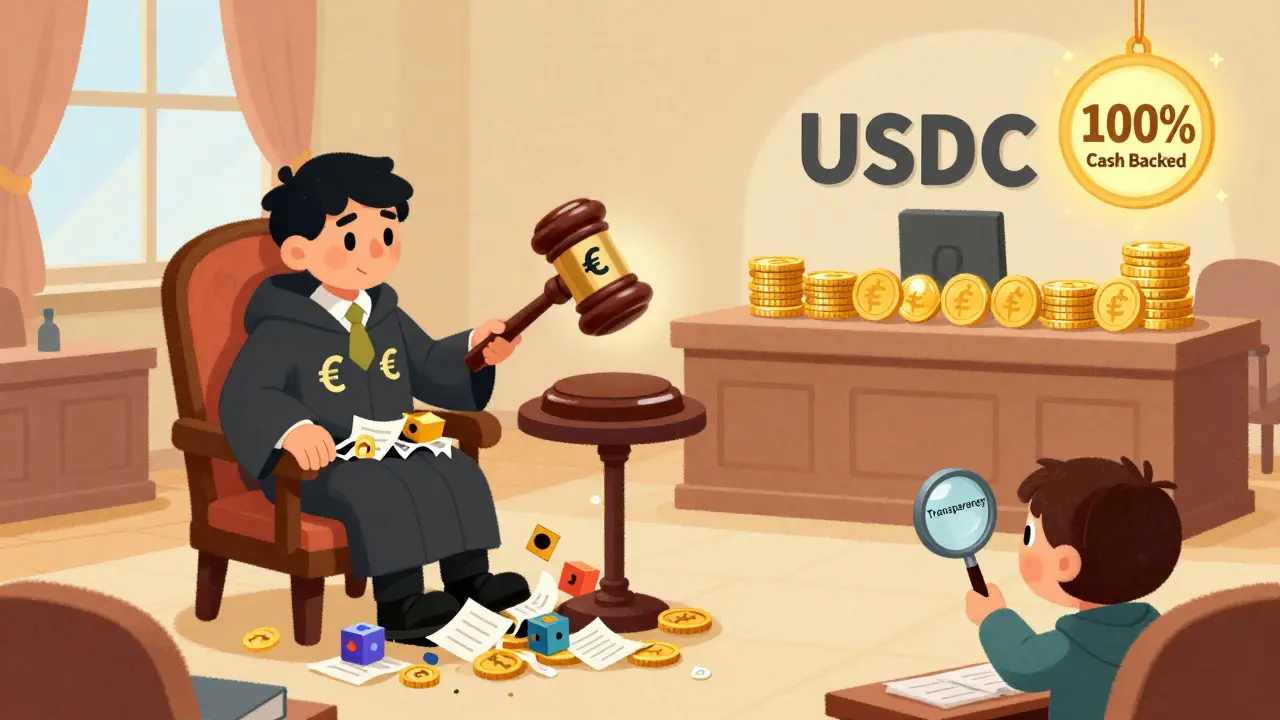
USDT isn’t alone. Many other stablecoins got caught in the same net:- USDC - Fully compliant. Issued by Circle, it restructured its reserves to meet MiCA’s cash-backing rules and got licensed in the EU.
- DAI - Still in limbo. As a crypto-backed stablecoin, it doesn’t fit neatly into EMT or ART categories. It’s under review.
- BUSD - Already shut down in the U.S. after the SEC cracked down. No surprise it’s banned in Europe too.
- FRAX, USTC, FEI - All non-compliant. No trading allowed.
Why Europe Took This Hard Line
The EU didn’t do this to punish crypto. It did it to protect people. In 2022, the UST stablecoin collapsed. It wasn’t backed. It lost its peg. People lost billions. The Bank for International Settlements called it a “fragile peg.” That’s exactly what MiCA was built to stop. Europe also fears losing control of its own money system. If U.S. stablecoins become the default way Europeans pay each other, then U.S. banks and tech companies control Europe’s financial flow. That’s a risk the EU won’t accept. That’s why nine major European banks - including ING, UniCredit, and KBC - teamed up to build their own euro-backed stablecoin. It’s called the Euro Digital Payment Token. Expected to launch in late 2026, it’s designed to be MiCA-compliant from day one. No U.S. middleman. No risk. Just fast, cheap, euro payments on blockchain.How This Compares to the U.S.
Meanwhile, in the United States, things are different. In July 2025, President Trump signed the GENIUS Act - Guiding and Establishing National Innovation for U.S. Stablecoins. It also requires 1:1 backing and redemption rights. But here’s the catch: the U.S. gives issuers more time to comply. It lets stablecoins operate under state licenses instead of one federal rule. And it explicitly allows non-cash assets in reserves - as long as they’re liquid and low-risk. That’s why Visa and Mastercard are already testing stablecoin payments. Walmart and Amazon are exploring them for daily transactions. The U.S. isn’t trying to ban anything. It’s trying to lead. Europe’s approach? It’s more like building a fortress. Strict. Controlled. Safe. But slow. And that’s creating a divide. Some traders are moving their activity outside the EU. Others are waiting to see if USDT will eventually comply.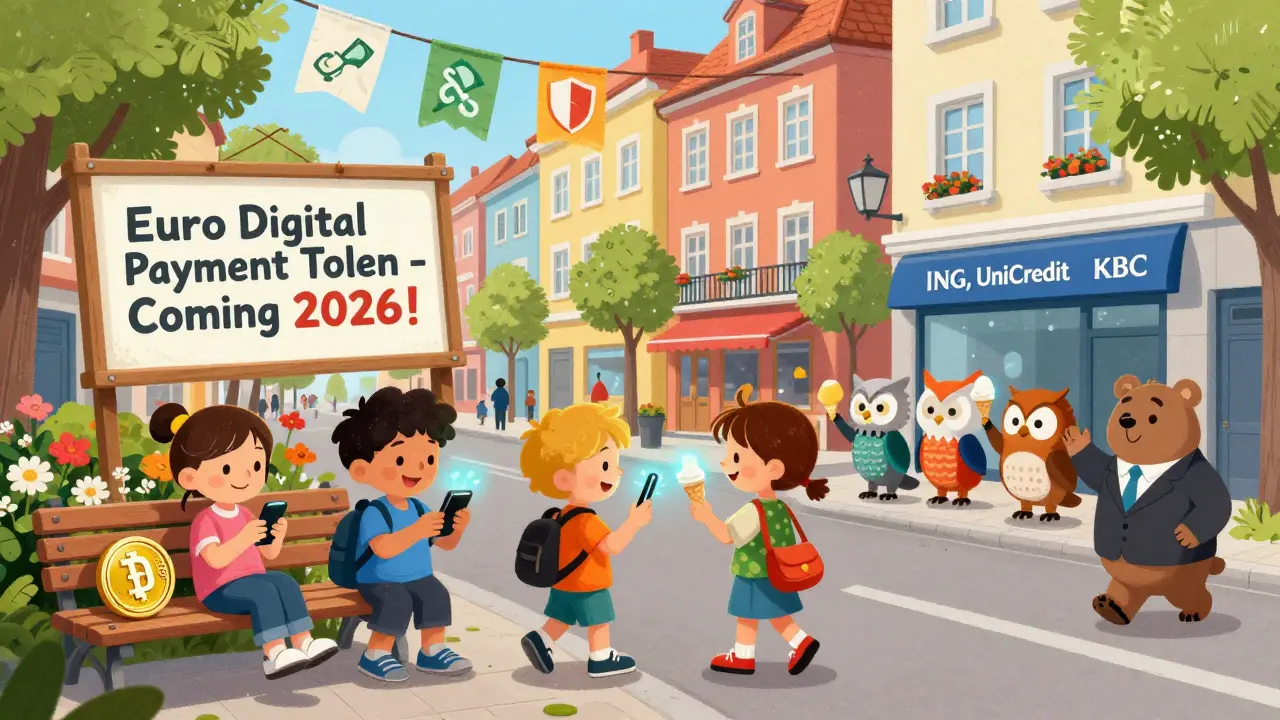
What Should You Do If You’re in the EU?
If you’re holding USDT or another non-compliant stablecoin in Europe, here’s what you need to know:- You can still hold it. No one is forcing you to sell.
- You can still send it to wallets or exchanges outside the EU.
- You cannot trade it on any EU-based exchange.
- You cannot use it to pay for goods or services on platforms regulated in the EU.


samuel goodge
December 6 2025Interesting how MiCA treats stablecoins like nuclear waste-handle with extreme care, or don’t handle at all. The EU isn’t just regulating; it’s architecting a financial identity. But I wonder: does this level of control stifle innovation, or does it prevent catastrophe? History suggests both. The UST collapse was horrific-but so is the slow death of decentralization under bureaucratic certainty.