NFT Marketplace Fee Calculator
Calculate Your NFT Sales Fees
Find out how much you'll earn after fees from different marketplaces
Note: These calculations exclude gas fees which vary based on blockchain activity. Always check the current gas fee on Ethereum or Solana networks.
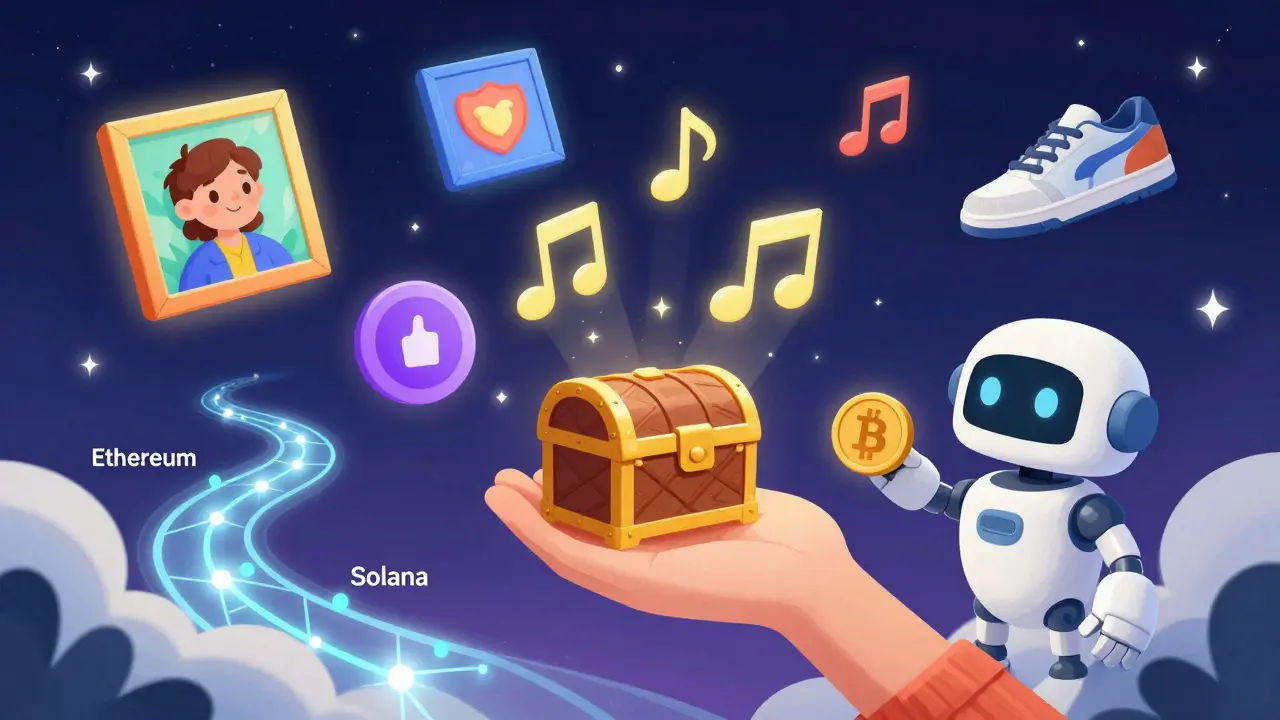
Think of an NFT marketplace like eBay, but instead of vintage sneakers or rare coins, you’re trading one-of-a-kind digital art, music, videos, or even virtual land. These platforms are where people buy, sell, and trade non-fungible tokens - unique digital items verified on a blockchain. Unlike regular files you can copy and paste, each NFT has a digital certificate of ownership that can’t be duplicated. That’s what makes them valuable.
How NFT Marketplaces Work
NFT marketplaces run on blockchains, mostly Ethereum, using smart contracts to handle sales and ownership. When you buy an NFT, you’re not downloading a file like a JPEG. You’re getting a token that points to that file, which is usually stored on decentralized networks like IPFS or Arweave. The blockchain keeps track of who owns what, when it was sold, and who gets paid when it’s resold.
To use these platforms, you need a crypto wallet like MetaMask or Coinbase Wallet. You link it to the marketplace, fund it with cryptocurrency (usually ETH), and start browsing. Most platforms charge a fee per transaction - OpenSea takes 2.5%, Rarible takes up to 5%. Some newer ones, like Blur, don’t charge any platform fee at all to attract active traders.
The system isn’t perfect. Gas fees - the cost to process transactions on Ethereum - used to hit $50 during the 2021 boom. Now, after Ethereum switched to proof-of-stake in 2022, they average around $1.20 per transaction. That’s a huge drop, making buying and selling way more affordable.
Types of NFT Marketplaces
Not all NFT platforms are the same. There are three main types based on how they operate:
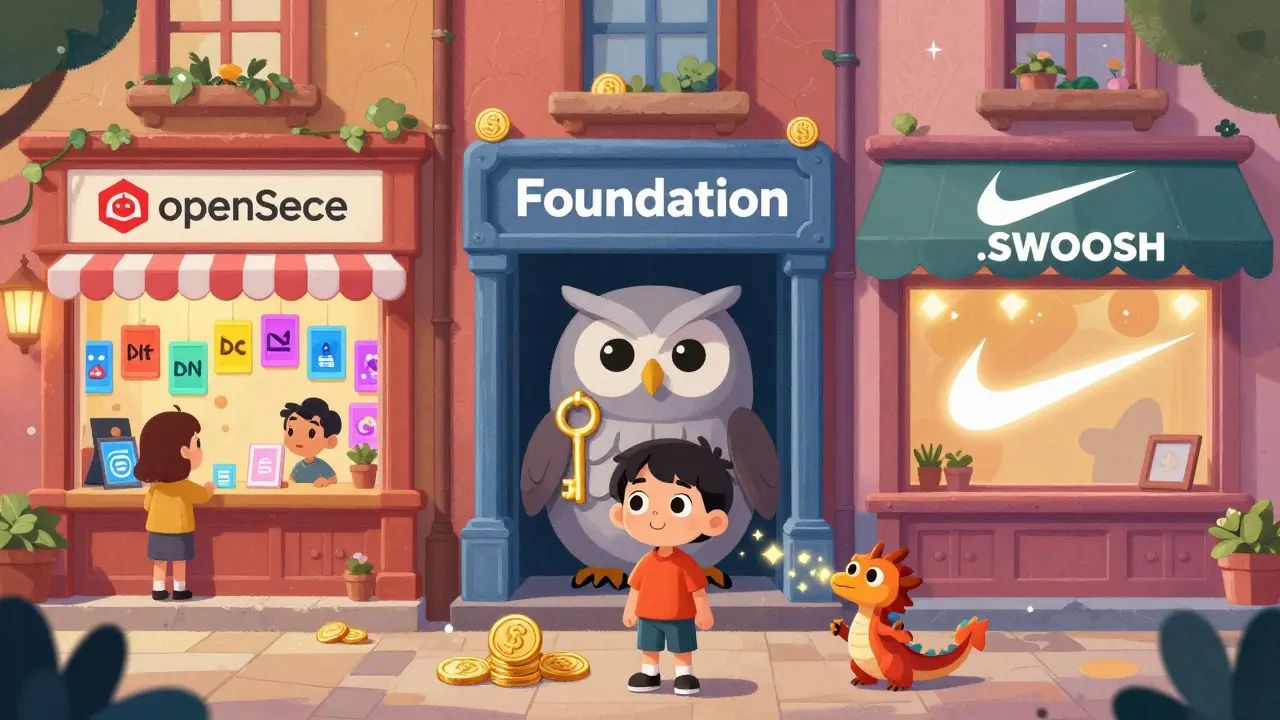
- Open marketplaces - Anyone can list or buy NFTs. OpenSea is the biggest example. You don’t need approval. Just connect your wallet and start uploading.
- Closed marketplaces - You have to apply to join. Foundation is one. They vet artists before letting them mint NFTs, which creates exclusivity and often higher prices.
- Proprietary marketplaces - These are run by companies selling their own branded NFTs. Nike’s .SWOOSH lets you buy digital sneakers tied to real products. These aren’t open to random creators.
There are also two functional categories:
- Universal marketplaces - Like OpenSea or Blur. They host everything: art, music, gaming items, virtual real estate.
- Niche marketplaces - Focused on one thing. KLKTN is for K-Pop and anime fans. NBA Top Shot sells only basketball highlight clips.
Choosing the right one depends on what you’re looking for. If you’re new, OpenSea’s simple interface is a good start. If you’re a serious trader, Blur’s tools and zero fees make it faster and cheaper.
Top NFT Marketplaces in 2025
As of late 2025, these are the most active and trusted platforms:
| Platform | Market Share | Fees | Best For | Blockchain |
|---|---|---|---|---|
| OpenSea | 60% | 2.5% | Beginners, variety of NFTs | Ethereum, Polygon |
| Blur | 15% | 0% | Professional traders, speed | Ethereum |
| Magic Eden | 12% | 2% | Solana NFTs, gaming assets | Solana |
| Rarible | 8% | 2.5%-5% | Decentralized governance, creators | Ethereum, Tezos |
| Foundation | 3% | 15% | High-end digital art | Ethereum |
OpenSea still leads by a wide margin. It’s the go-to for most people because it’s easy to use and has the largest selection. But Blur has been gaining fast. It’s designed for traders who make dozens of sales a day. It doesn’t show you a pretty gallery - it shows real-time price data, bid streams, and volume trends. If you’re serious about flipping NFTs, Blur’s tools are unmatched.
Magic Eden dominates on Solana, which is faster and cheaper than Ethereum. If you’re into gaming NFTs or want to avoid high fees, it’s the top pick there. Foundation stays elite. You need an invite to list your work, and the artists there often sell for tens of thousands. It’s not for casual buyers.
Why People Use NFT Marketplaces
There are two main reasons: ownership and profit.
For collectors, owning an NFT means you have verifiable proof you own a unique digital item. It’s like owning the original painting, not a print. Artists benefit too. They can set royalties - say, 10% - so every time their NFT is resold, they get paid. One artist on Foundation made $12,000 from primary sales and another $3,200 in royalties from secondary sales in 2023.
For traders, it’s about speculation. Some buy NFTs hoping to sell them later for more. But this is risky. Prices dropped 88% from their 2021 peak. A lot of NFTs are now worth far less than what people paid. And scams are common. Fake NFTs, rug pulls, and phishing links trick new users every day.
Companies are starting to use them too. Nike, Adidas, and even Starbucks have launched NFT programs. Gartner predicts that by 2026, 10% of Fortune 500 companies will run their own NFT marketplaces to engage customers. That’s not hype - it’s strategy.
Common Risks and How to Avoid Them
NFT marketplaces are powerful, but they’re not safe by default. Here are the biggest dangers:
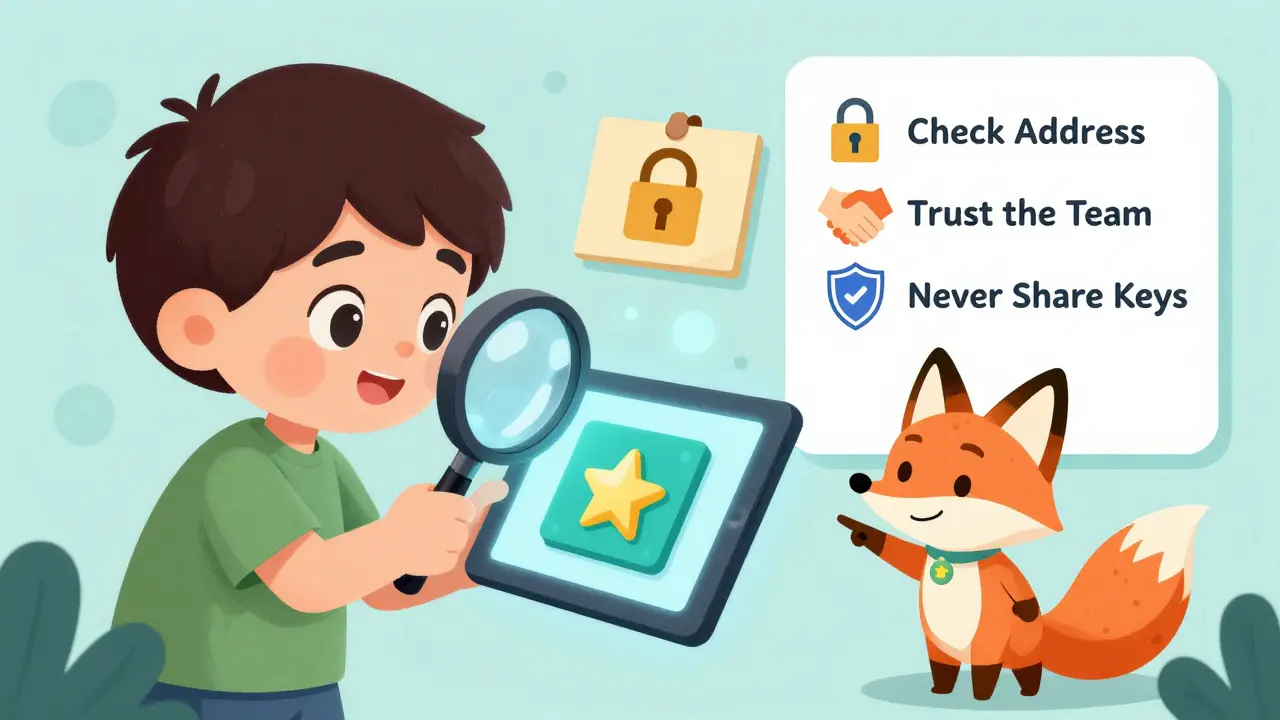
- Counterfeit NFTs - Someone uploads a copy of a famous artwork and sells it as the original. Always check the official collection address. If it’s not the one listed on the artist’s verified social media, don’t buy.
- Rug pulls - A project disappears after collecting money. Look at how long the team has been around. Check their Discord and Twitter. If the team is anonymous or the community is quiet, walk away.
- High gas fees - Even though fees dropped, they spike during big drops or launches. Use Polygon or Solana if you want cheaper transactions.
- Wallet hacks - Never share your private key. Never click “approve” on a contract unless you know exactly what it does. Some scams trick you into approving unlimited spending.
Reddit users report losing thousands after buying fake Bored Ape knockoffs. One user lost $1,200 in July 2023 because they didn’t check the contract address. Don’t be that person. Always verify.
Getting Started: A Simple Step-by-Step Guide
If you’re new, here’s how to make your first NFT purchase:
- Get a crypto wallet. Download MetaMask (free on Chrome or mobile).
- Buy ETH or MATIC (Polygon) using a trusted exchange like Coinbase or Kraken.
- Connect your wallet to OpenSea - click “Connect Wallet” on their homepage.
- Browse collections. Look for verified badges next to the project name.
- Click “Buy Now” or place a bid. Confirm the transaction in your wallet.
- Wait for confirmation. It takes 10-30 seconds on Polygon, 1-2 minutes on Ethereum.
For selling, you need to mint your NFT first. Upload your file (image, video, audio), add a title and description, set a price, and pay the gas fee. You can choose between auction or fixed price.
It sounds simple - and it is, once you know what to look for. The hard part isn’t the tech. It’s learning what’s real and what’s a scam.
What’s Next for NFT Marketplaces?
The market is changing fast. In 2024, OpenSea rolled out Seaport 1.6 to better enforce artist royalties. Blur added proactive market-making to speed up trades. Magic Eden is building better tools for game developers. And the EU’s MiCA regulation, which took effect in 2024, now requires NFT platforms to verify users’ identities - meaning more KYC checks.
Mobile usage is growing. 63% of new users now access marketplaces from their phones. That’s why platforms are redesigning their apps. Cross-chain support is also coming. Soon, you’ll be able to buy an Ethereum NFT and sell it on Solana without switching wallets.
Enterprise adoption is the real game-changer. Companies aren’t just selling digital art - they’re using NFTs as tickets, loyalty rewards, or access passes. Imagine buying a concert ticket that turns into a collectible NFT you can resell. That’s already happening.
Despite the crashes and scams, NFT marketplaces aren’t going away. They’ve moved past the hype phase. Now, they’re building real infrastructure for digital ownership - and that’s something that lasts.
What is the difference between an NFT and cryptocurrency?
Cryptocurrencies like Bitcoin or Ethereum are fungible - meaning each unit is identical and interchangeable. One ETH is always equal to another ETH. NFTs are non-fungible - each one is unique and can’t be replaced. You can’t trade one NFT for another and expect the same value. An NFT might be a digital painting, a song, or a virtual sneaker. Each has its own value based on rarity, creator, and demand.
Can I make money selling NFTs?
Yes, but it’s not guaranteed. Some artists earn thousands from primary sales and ongoing royalties. Others lose money after paying minting fees and not finding buyers. Success depends on quality, marketing, and timing. Most people who profit are either established creators or experienced traders who understand market trends. Don’t treat it like a get-rich-quick scheme.
Do I need to know how to code to use NFT marketplaces?
No. You don’t need to know any code to buy or sell NFTs on platforms like OpenSea or Magic Eden. Everything is done through a simple web interface. You just need a crypto wallet and some ETH or SOL. Coding is only needed if you want to build your own marketplace or create smart contracts - which is a whole different skill set.
Are NFT marketplaces regulated?
Regulation is still evolving. In the U.S., there’s no clear federal rule yet, but the SEC is watching closely. In the EU, MiCA requires NFT platforms to verify users’ identities (KYC) and report suspicious activity. Some countries treat NFTs as financial assets, others as collectibles. Always check your local laws before trading.
Why do some NFTs cost so much?
Price comes down to scarcity, creator reputation, and community demand. A Bored Ape Yacht Club NFT sold for $3.4 million because it’s rare (only 10,000 exist), comes with exclusive perks, and has a large, active community. It’s not about the image itself - it’s about what the NFT represents: status, access, or ownership in a digital brand.
What happens if a marketplace shuts down?
Your NFTs are still yours - they’re stored on the blockchain, not on the platform. Even if OpenSea disappears, you can still access your NFTs using your wallet. You might lose the website’s browsing tools, but you can still sell them on another marketplace or view them in a different wallet. The blockchain is permanent. The platform is just a window.
Start small. Learn what’s real. Watch the market. And never invest more than you can afford to lose.


Catherine Williams
December 5 2025Okay but let’s be real - if you’re new to NFTs, OpenSea is like walking into a Walmart with a credit card and no map. You’ll buy stuff you don’t need, get scammed by a fake CryptoPunk, and then cry into your coffee. I’ve seen it. I’ve been that person. Start small. Buy one $5 NFT from a verified artist. Just to feel what ownership feels like. Not as an investment. As an experience. That’s how I got hooked - not because I thought I’d get rich, but because I finally owned something digital that no one else could copy. And that? That felt magic.
Also, if you’re using MetaMask, turn on the scam detector. It’s not perfect, but it saved me from a ‘free ETH’ phishing link last week. Stay safe out there.
And yes, Blur is the real MVP for traders. No fees? Yes please. But don’t ignore the human side - behind every NFT is a real artist trying to make rent.
Love that NFTs are becoming more than JPEGs. They’re digital heirlooms now.