Smart Contracts for Creators: How Blockchain Empowers Artists and Content Owners
When you create something—a song, a drawing, a video—smart contracts for creators, self-executing agreements on the blockchain that automatically enforce rules without intermediaries. Also known as blockchain-based royalties, they let you set who pays you, when, and how much—no gatekeepers needed. This isn’t theory. It’s happening right now. Musicians on platforms like HUSL are earning every time their track is streamed. Digital artists sell NFTs that pay them 10% every time the artwork changes hands. Writers embed royalty terms directly into their ebooks. The old model—where labels, galleries, and platforms take 70% or more—is crumbling because the code doesn’t lie.
Smart contracts for creators work because they’re tied to blockchain, a public, unchangeable ledger that records every transaction. Once you mint your art or music as an NFT, the contract follows it everywhere. No more chasing down royalties from streaming services that hide behind opaque formulas. No more waiting months for a check that never arrives. The moment someone buys, shares, or resells your work, the payment hits your wallet. This isn’t just convenience—it’s fairness. And it’s why projects like Arena Token (ARENA) and APENFT are built around this idea: creators get paid directly, in real time, from their audience. You don’t need a record label. You don’t need a gallery. You just need your wallet and a smart contract.
But it’s not just about money. It’s about control. With traditional platforms, you give up rights just to get exposure. With smart contracts, you decide the terms: can it be resold? Can it be used in ads? Do fans get a share of future profits? You set the rules. And because the contract is on the blockchain, it can’t be changed without your permission. That’s why creators are moving away from centralized platforms and toward decentralized ones—where the rules are written in code, not in fine print. The rise of NFTs, unique digital assets verified on the blockchain, often used to prove ownership of art, music, or collectibles isn’t a trend. It’s a shift in power. And it’s forcing every platform to ask: if you can pay creators directly, why would you keep taking half their earnings?
What you’ll find below isn’t a list of tools or tutorials. It’s real stories—some successful, some failed—of creators using blockchain to take back control. You’ll see how a meme coin tied to a Japanese wave gave artists a voice. How a music NFT platform bypassed MEXC’s fees. How fake airdrops try to steal from those who trust too easily. And how even the most basic smart contract can change everything—if it’s built right. This is the new reality for creators. No permission needed. No middlemen. Just code, ownership, and payment—automatically.
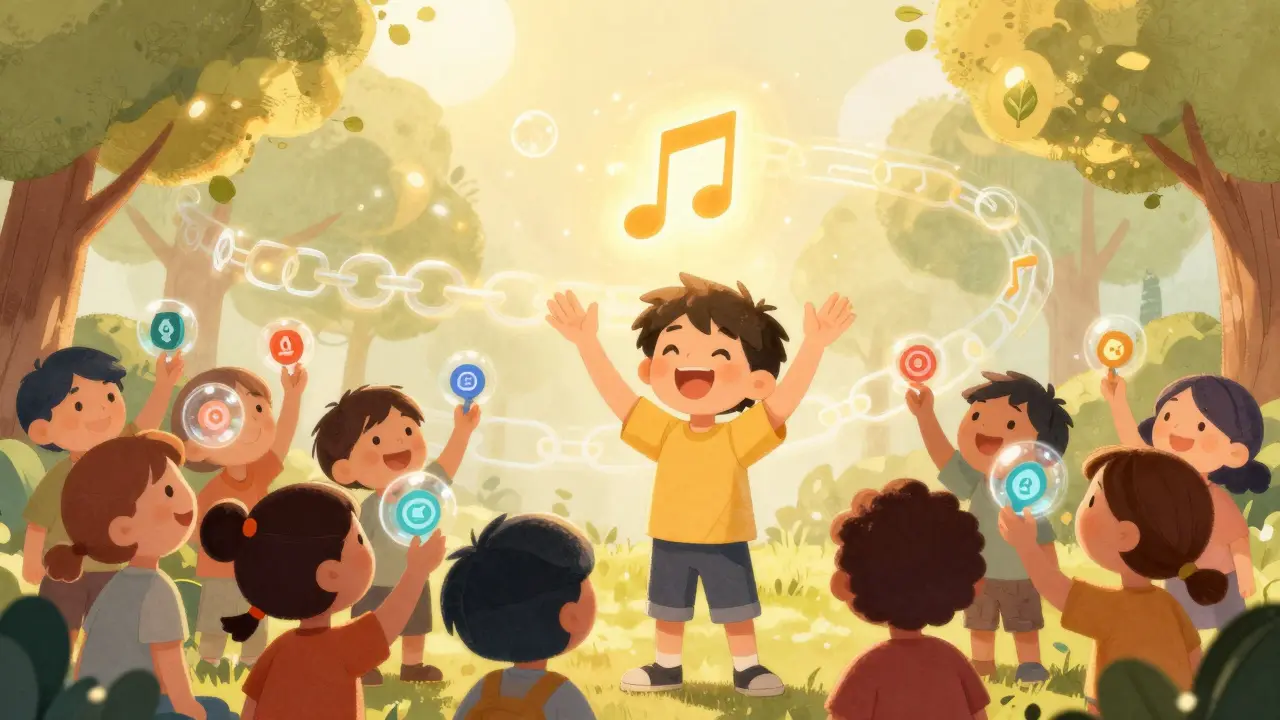
Blockchain Content Monetization Models: How Creators Earn Directly From Fans
Blockchain content monetization lets creators earn directly from fans using NFTs, smart contracts, and tokenized access-cutting out middlemen and unlocking new revenue streams like royalties and social tokens.