Sell NFTs: How to Cash Out Your Digital Art and Avoid Scams
When you sell NFTs, digital assets verified on a blockchain that prove ownership of art, music, or collectibles. Also known as non-fungible tokens, they let you turn pixels into cash—but only if you know how to move them without getting ripped off. Selling an NFT isn’t like listing a used phone on eBay. You’re dealing with smart contracts, volatile markets, and fake marketplaces that look real until your funds vanish.
Most people who sell NFTs fail because they pick the wrong NFT marketplace. OpenSea still dominates, but fees are high and scams are everywhere. Look for platforms like Blur or LooksRare that reward active traders, or niche ones like Foundation for art-focused buyers. If your NFT is tied to a game or music project, check if the original team runs its own store—those often pay better royalties. And never trust a marketplace that asks you to sign a wallet approval before you list. That’s how hackers steal your entire portfolio.
Then there’s the NFT trading trap. Just because your NFT cost $5,000 doesn’t mean someone will pay that. Many NFTs have zero buyers. Check the floor price, not the listing price. If the last sale was six months ago and volume is flat, you’re stuck. Real sellers watch trading history, not hype. If you bought into a meme NFT like Kanagawa Nami or OMIKAMI, know this: those sell fast or not at all. You need speed, luck, or both.
And don’t forget crypto assets taxes. In places like Taiwan and the EU, selling an NFT triggers income or capital gains tax. In Switzerland, you pay wealth tax on what it’s worth at year-end—even if you never sold it. If you bought with ETH and sold for USDC, that’s a taxable event. Keep records. Use tools like Koinly or TokenTax. Don’t assume the blockchain hides your trail—forensics firms like Chainalysis track every move.
Some NFTs you can’t sell at all. Remember Polyient Games DEX? It didn’t exist. Fake projects like that lure sellers with promises of liquidity that never materialize. The same goes for airdrops like HUSL or POTS—fake claims flood forums. Always verify the official website. If a Discord mod asks you to send ETH to "unlock" your NFT, that’s a scam. Legit sales never ask for upfront fees.
What you’ll find below are real cases: people who lost money trying to sell, others who cashed out smart, and the platforms that actually work in 2025. No fluff. Just what happens when you try to turn your digital collectibles into real cash—and how to do it without getting burned.
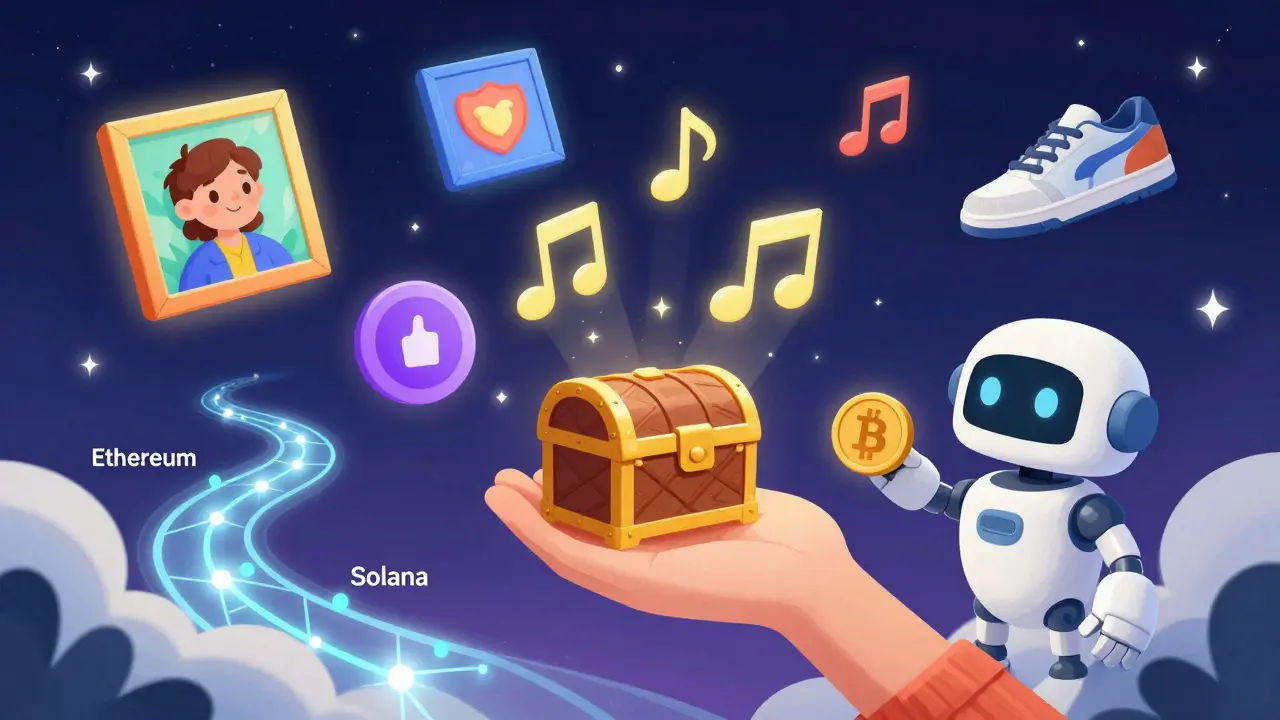
What Are NFT Marketplaces? A Clear Guide to Buying, Selling, and Trading Digital Collectibles
NFT marketplaces are digital platforms where unique digital assets like art, music, and virtual items are bought and sold using blockchain technology. OpenSea leads the market, but newer platforms like Blur and Magic Eden offer faster, cheaper options for traders and collectors.