Polyient Games trading: What you need to know about NFT gaming and crypto swaps
When you trade Polyient Games, a blockchain-based gaming platform that lets players earn tokens through gameplay and NFT ownership. Also known as Polyient Gaming, it’s one of the few platforms built from the ground up for play-to-earn mechanics, not just token speculation. Unlike traditional games where your skins and items have no real value, Polyient Games turns your time and skill into tradable assets—tokens like $PGC and NFTs tied to in-game characters, land, or gear.
This model connects directly to NFT gaming, a growing sector where digital ownership is enforced by blockchain, not just game servers. Players don’t just buy virtual items—they own them outright, and can sell them on open markets. That’s why crypto trading, the act of buying and selling digital assets like tokens and NFTs across decentralized exchanges is central to Polyient Games. You don’t just play to win—you play to profit. But it’s not all gains. Many players lose money because they don’t understand liquidity, tokenomics, or how easily NFT values can drop when a game’s player base shrinks.
What makes Polyient Games different isn’t just its tech—it’s its focus on real gameplay. Titles like Immortal Legends and BlockBattles aren’t just spinners or clickers. They’re actual games with strategy, progression, and skill-based rewards. That’s why traders pay attention to player activity, not just price charts. If a game’s community is growing, the tokens tend to hold value. If it’s dying, even the best NFTs become digital trash. You’ll find posts here that break down exactly how these games work, which tokens are still active, and which ones are ghost towns.
And it’s not just about buying and selling. blockchain games, games that run on decentralized networks and use smart contracts for ownership and rewards require you to manage wallets, gas fees, and cross-chain swaps. Some players use platforms like SpireX or P2B to trade Polyient tokens, while others rely on decentralized exchanges. You’ll see reviews here of exchanges that support these tokens, and warnings about fake airdrops pretending to be linked to Polyient Games.
The truth? Most people jump into Polyient Games trading because they see a quick profit. Few stick around because they understand the long-term risks. The posts below give you the real picture: which games still have active players, which tokens are dead, how to spot a scam, and what actually moves the market—not hype, not influencers, but gameplay and community.
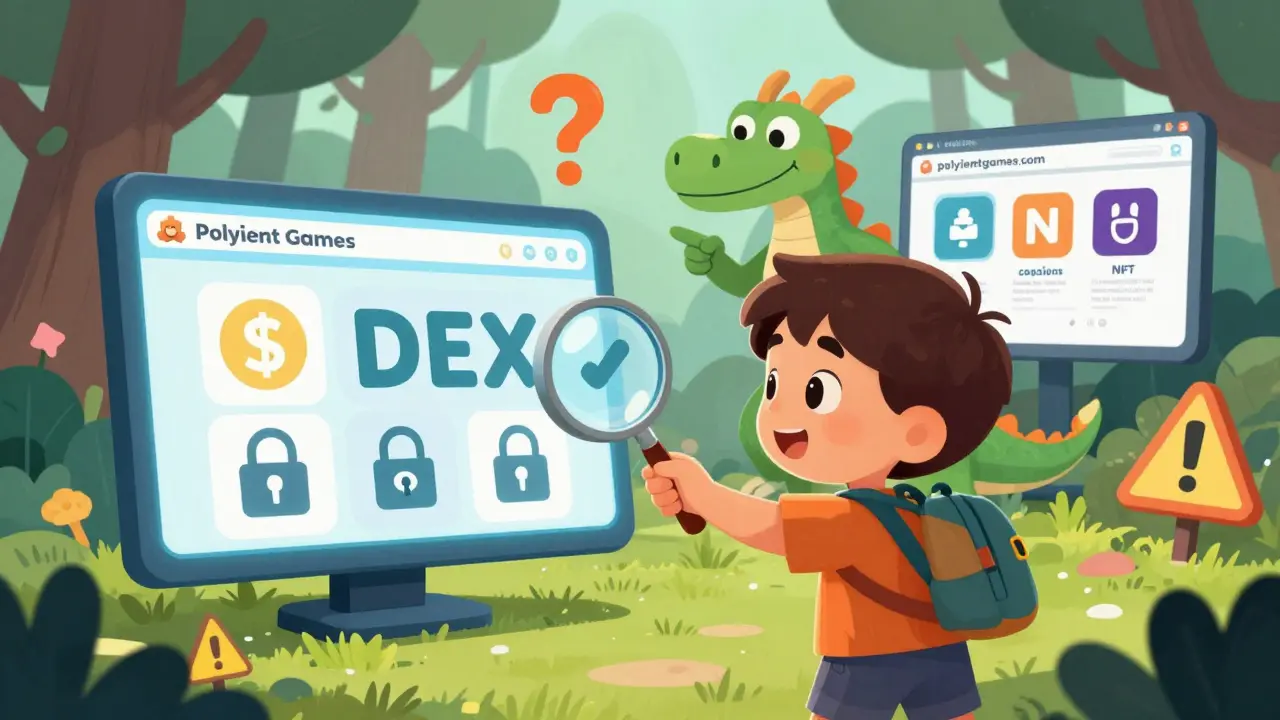
Polyient Games Decentralized Exchange: What You Need to Know Before Trading
Polyient Games Decentralized Exchange doesn't exist. Learn why fake DEXs use real project names, how to spot crypto scams, and which trusted exchanges to use instead for safe trading.