Polyient Games DEX: What It Is, How It Works, and Why It Matters in Crypto Gaming
When you think of a Polyient Games DEX, a decentralized exchange built specifically for trading NFTs and gaming tokens within the Polyient Games ecosystem. It’s not just another crypto swap platform—it’s a marketplace designed for players who own in-game assets and want to trade them without middlemen. Unlike centralized exchanges that list coins based on market cap, Polyient Games DEX focuses on utility: tokens and NFTs that actually work inside games.
This DEX is tied to Polyient Games, a blockchain gaming studio that creates play-to-earn titles like Polyient Golf and Polyient Sports. These games let you earn tokens by playing, then use those tokens on the DEX to buy new gear, skins, or even land in virtual worlds. The DEX connects directly to these games, so when you unlock a rare NFT sword in Polyient Golf, you can list it for sale in minutes—not days, not through a third party. That’s the whole point: speed, ownership, and control.
It’s not just about trading. The DEX also lets you stake tokens to earn rewards, provide liquidity for gaming pairs like PION and POLYI, and participate in token sales for new game launches. That’s why it’s different from generic DEXs like Uniswap or PancakeSwap. You’re not just swapping ETH for some random coin—you’re investing in a gaming economy with real players, real usage, and real incentives.
And it’s not just for pros. If you’ve ever bought a skin in Fortnite or traded a Pokémon card, you already understand the value. Polyient Games DEX brings that same excitement to blockchain—with real ownership. No one takes your NFT away. No server shuts down. You hold it. You trade it. You decide its worth.
But here’s the catch: most of these games are still small. Liquidity is thin. Prices swing hard. That’s why the DEX matters—it’s the only place where these assets have a home. Without it, your hard-earned NFTs are just digital collectibles with no real market. With it, they become part of a living economy.
What you’ll find in the posts below are real breakdowns of how this DEX works, which tokens actually move on it, what risks come with trading low-volume gaming assets, and how players are using it to make money—not just play. Some posts expose scams pretending to be part of Polyient. Others show how to earn PION tokens just by playing. And a few explain why this whole model might be the future of gaming—if it doesn’t collapse under its own hype first.
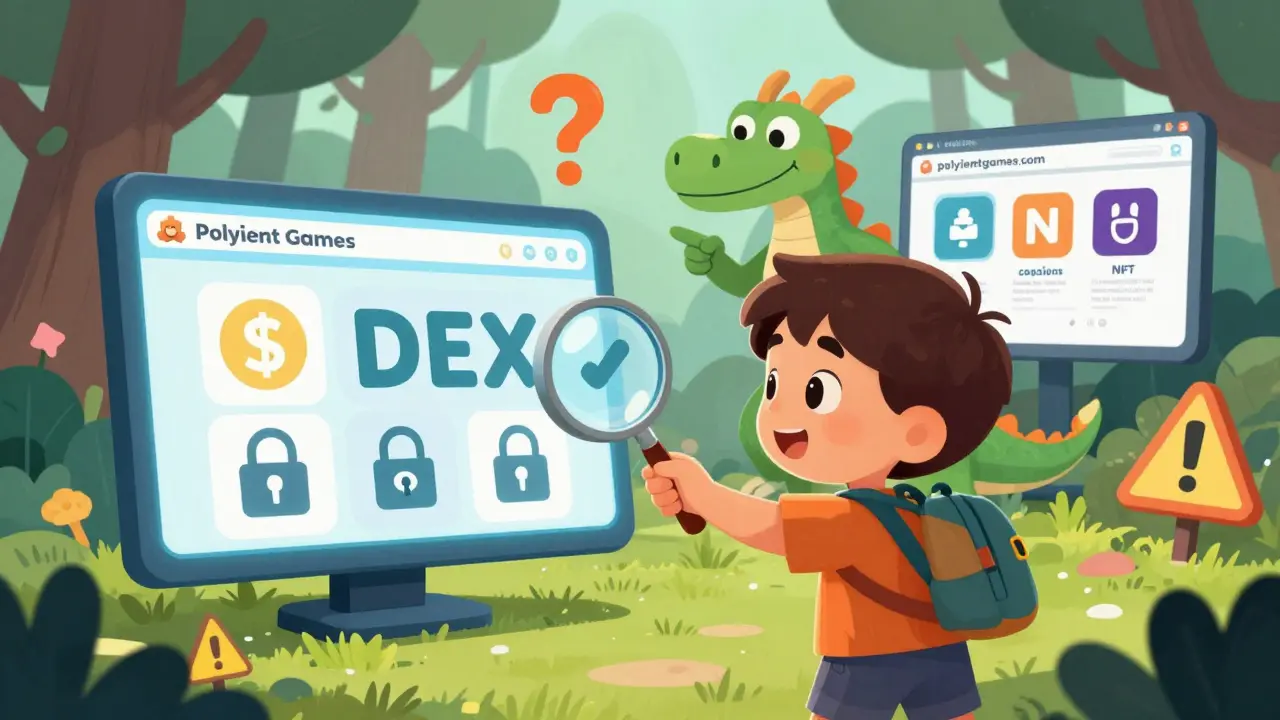
Polyient Games Decentralized Exchange: What You Need to Know Before Trading
Polyient Games Decentralized Exchange doesn't exist. Learn why fake DEXs use real project names, how to spot crypto scams, and which trusted exchanges to use instead for safe trading.