OpenSea: What It Is, How It Works, and What You Need to Know
When you think of OpenSea, the largest and most popular NFT marketplace built on Ethereum. Also known as the go-to platform for digital collectibles, it lets anyone mint, list, or buy NFTs without needing technical skills. Since its launch in 2017, OpenSea has become the default place for artists, gamers, and collectors to trade everything from pixel art to virtual land. It doesn’t create the NFTs itself—it just provides the marketplace where buyers and sellers meet, using smart contracts to handle transactions securely.
OpenSea supports NFTs across multiple blockchains, but most activity happens on Ethereum, the blockchain that powers the majority of NFTs and DeFi apps. That means you’ll need ETH to pay for gas fees when you buy or sell. You’ll also find NFTs from other chains like Polygon and Solana, but Ethereum remains the core. The platform doesn’t verify creators or check for copyright, so you’ll see everything from official collections to fan-made art. That openness is both its strength and its risk—there’s a lot to explore, but you have to be careful about scams.
What makes OpenSea different from regular online stores? You’re not just buying a file—you’re buying proof of ownership on the blockchain. That’s why people pay thousands for a single JPEG. It’s not about the image itself; it’s about the unique token tied to it. You can resell it later, earn royalties if the original creator set them up, or even use it as a profile picture in crypto communities. Many users treat NFTs like digital trading cards or rare vinyl records—collectible items with cultural value.
OpenSea also lets you create your own NFTs in minutes. Just connect your wallet, upload your art or music, set a price, and list it. No approval needed. But here’s the catch: listing doesn’t mean selling. Thousands of NFTs sit unsold on OpenSea every day. If you’re trying to sell, you need to build an audience, promote your work, or ride a trend. It’s not a magic money machine—it’s a marketplace, and like any marketplace, supply far outpaces demand.
Behind the scenes, OpenSea uses smart contracts, self-executing code that automatically handles trades without middlemen. That’s why you can buy an NFT without talking to the seller. The contract holds the asset until payment clears. But if the contract has a bug or the seller disappears, you’re still stuck with the NFT. That’s why many users check the contract address before buying—especially for new or unknown collections.
OpenSea doesn’t just sell art. You’ll find domain names, virtual real estate, music, game items, and even tokenized tickets to events. Some NFTs give access to exclusive communities or future drops. Others are just memes with no utility—yet people still trade them. The market moves fast. A collection that’s hot today might be dead in a month. That’s why knowing how to spot real projects from hype traps matters more than ever.
Below, you’ll find real reviews, warnings, and breakdowns of NFT projects tied to OpenSea and similar platforms. Some are scams. Others are misunderstood. A few might be worth your time. You’ll learn how to tell the difference, how to avoid losing money, and what’s actually happening in the NFT world beyond the hype.
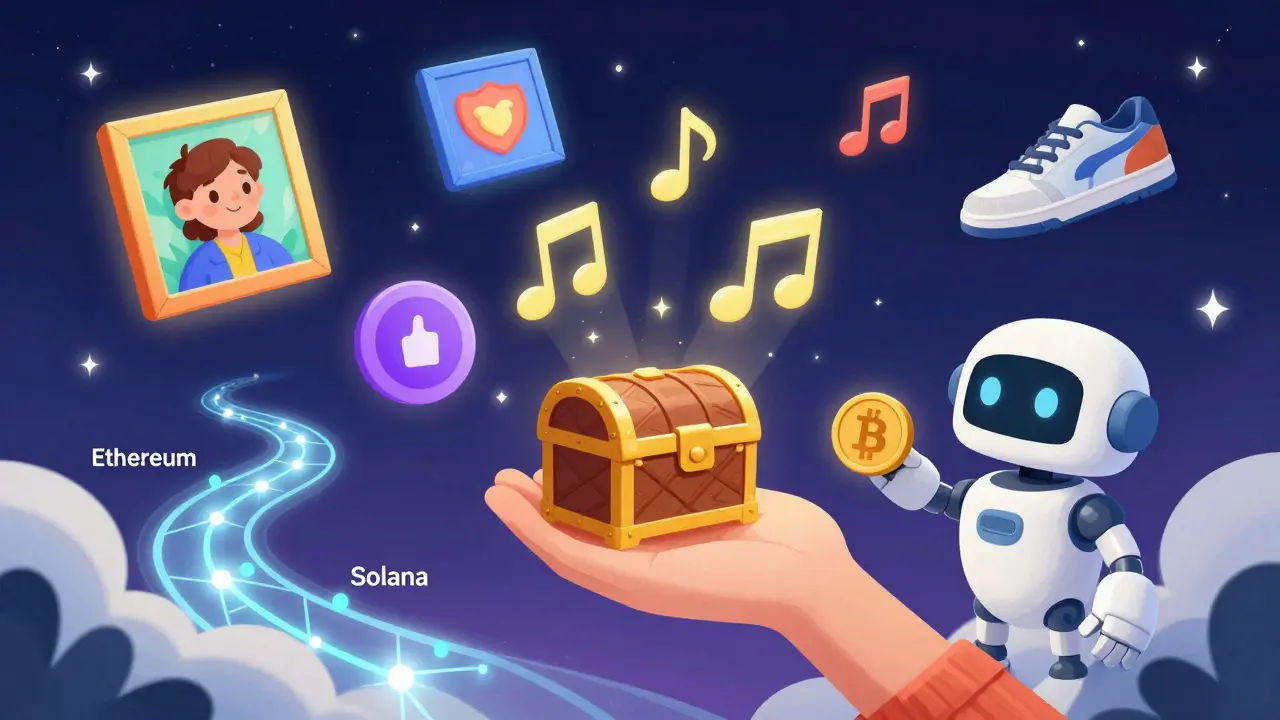
What Are NFT Marketplaces? A Clear Guide to Buying, Selling, and Trading Digital Collectibles
NFT marketplaces are digital platforms where unique digital assets like art, music, and virtual items are bought and sold using blockchain technology. OpenSea leads the market, but newer platforms like Blur and Magic Eden offer faster, cheaper options for traders and collectors.