NFT Marketplaces: Where Digital Art, Collectibles, and Crypto Meet
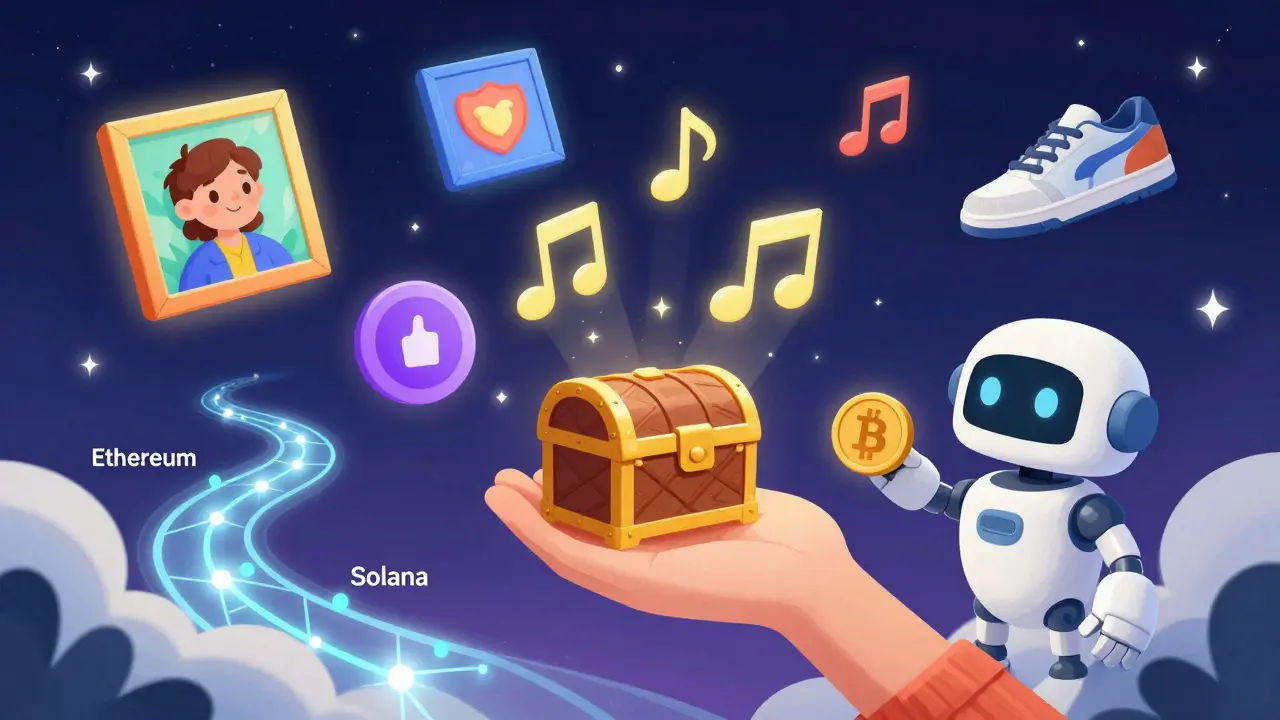
When you think of NFT marketplaces, online platforms where unique digital items are bought, sold, and traded using blockchain technology. Also known as NFT trading platforms, they’re the storefronts for everything from pixel art to virtual real estate. These aren’t just websites—they’re ecosystems where artists, collectors, and investors interact directly, cutting out galleries, agents, and middlemen.
NFT marketplaces rely on blockchain, a secure, public ledger that proves ownership and authenticity to make sure no one can fake a digital piece. Each NFT is tied to a specific wallet, and every sale is recorded forever. That’s why people pay thousands for a JPEG—it’s not the image, it’s the proof that they own the original. Platforms like OpenSea, Blur, and LooksRare dominate the space, but niche ones are popping up too, like music NFT platforms, specialized marketplaces where artists sell songs, albums, or exclusive access as NFTs. These let creators earn royalties every time their work resells, something traditional platforms never offered.
But not all NFT marketplaces are built the same. Some focus on art, others on gaming items, virtual land, or even tweets. The value comes from scarcity, community, and utility. A bored ape isn’t just a monkey picture—it’s a membership card to a global club with events, merch, and insider access. Meanwhile, fractional trading, the ability to buy a share of a high-value NFT is making expensive pieces accessible to regular users. You don’t need $100,000 to own part of a rare CryptoPunk anymore.
Behind the scenes, smart contracts handle payments, royalties, and transfers automatically. That’s why scams are so common—fake marketplaces mimic real ones to steal your wallet keys. Always check the official URL, never click links from DMs, and never sign a transaction unless you know exactly what you’re approving. The best NFT marketplaces are transparent about fees, have active communities, and list only verified projects.
What you’ll find below are real-world breakdowns of NFT platforms, airdrops tied to digital collectibles, and deep dives into how creators are using these tools to earn. Some posts expose fake marketplaces pretending to be real. Others show you how to spot a valuable NFT before the hype dies. There’s no fluff—just what works, what doesn’t, and what you need to know before you buy or sell.
What Are NFT Marketplaces? A Clear Guide to Buying, Selling, and Trading Digital Collectibles
NFT marketplaces are digital platforms where unique digital assets like art, music, and virtual items are bought and sold using blockchain technology. OpenSea leads the market, but newer platforms like Blur and Magic Eden offer faster, cheaper options for traders and collectors.