MiCA Regulation: What It Means for Crypto in Europe
When you hear MiCA regulation, the Markets in Crypto-Assets Regulation, a comprehensive EU law that standardizes crypto rules across all member states. It's not just another rulebook—it's the first time Europe has created one clear set of rules for everything from stablecoins to crypto exchanges. Before MiCA, a crypto company in Germany might need a different license than one in Italy. Now, if you're approved in one country, you can operate across the whole EU. That’s called passporting, and it’s a big deal for startups trying to scale.
One of the biggest impacts is on stablecoins, digital tokens pegged to real money like the US dollar or euro, meant to reduce volatility. MiCA-compliant stablecoins like Quantoz USDQ now have to prove they hold 100% reserves, publish regular audits, and follow strict issuance rules. No more shady backing or hidden risks. This is why you’ll see more projects like USDQ popping up—they’re building for the future, not just for hype. But it’s not just about stablecoins. CASP authorization, Crypto-Asset Service Provider, the official license crypto firms need to operate legally under MiCA—is now mandatory for any exchange, wallet, or trading platform serving EU customers. No license? No access to European users. That’s why some platforms shut down or moved out of Europe entirely.
There’s also a transition period ending in 2025 for many firms. Miss your deadline, and you’re not just out of compliance—you’re illegal. That’s why you’ll find posts about deadlines, cross-border risks, and licensing delays. MiCA doesn’t just affect big companies. If you’re using a DEX, holding a stablecoin, or even earning interest on crypto in Europe, these rules change how your money works. The goal? Safety, transparency, and a level playing field. But it also means the wild west days are over. If you’re trading, investing, or building in crypto in Europe, you need to know what MiCA requires—and what it bans. Below, you’ll find real breakdowns of what’s happening on the ground: which coins are compliant, which exchanges are scrambling, and how scams are trying to exploit the confusion.
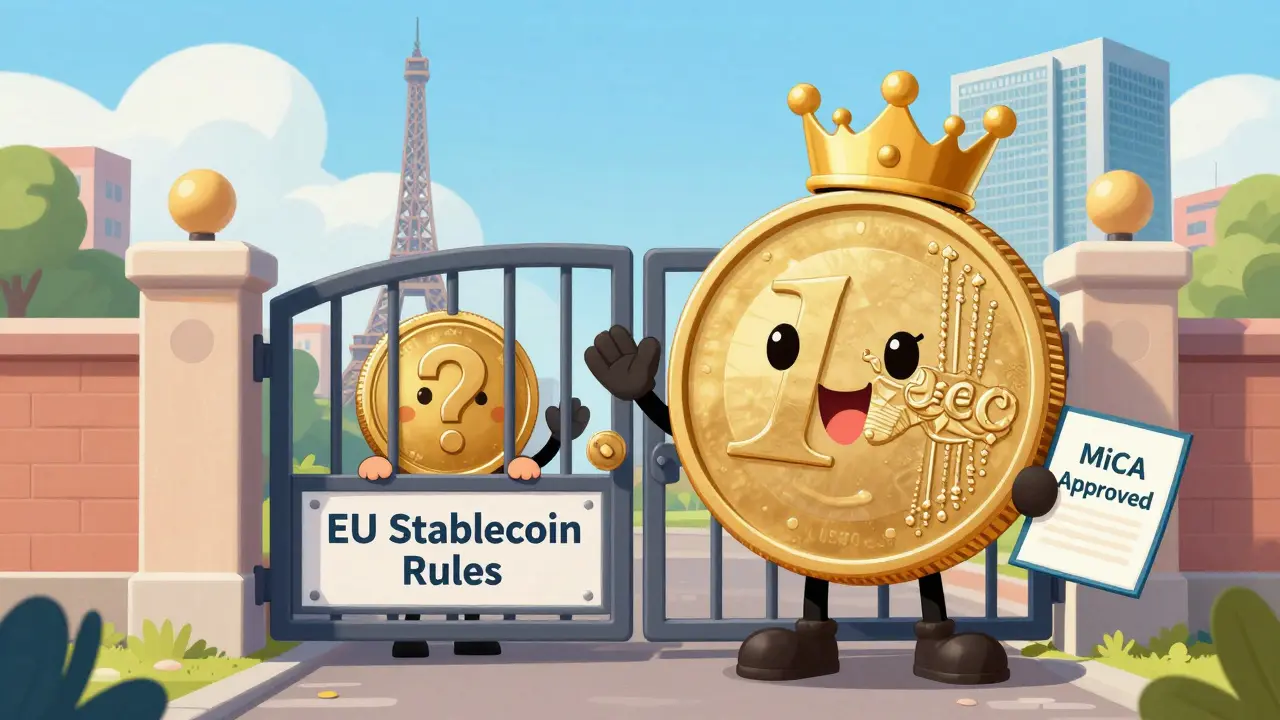
EU Stablecoin Restrictions Explained: What USDT and Other Tokens Can No Longer Do in Europe
EU's MiCA regulation banned trading of non-compliant stablecoins like USDT as of early 2025. Only fully cash-backed tokens like USDC are legal. Here's what changed, why, and what you can still do.