Buy NFTs: How to Navigate the Market, Avoid Scams, and Find Real Value
When you buy NFTs, non-fungible tokens that prove ownership of digital assets on a blockchain. Also known as digital collectibles, they let you own unique items like art, music, or virtual land—but only if you know where to look and what to avoid. Most people think NFTs are just JPEGs you pay for, but the real value lies in what’s attached: royalties, access, or community. Some NFTs give you a share of future sales. Others unlock real-world events or exclusive content. The hype faded, but the utility didn’t.
When you buy NFTs, you’re not just purchasing a file—you’re entering a system built on smart contracts and verified ownership. NFT platforms, marketplaces like OpenSea, Blur, or specialized ones like HUSL on MEXC, handle the transaction, but not all are safe. Some fake platforms copy real names to trick you. Others list NFTs with no real creator or history. Always check the contract address, verify the official website, and look for verified creator badges. If it looks too easy or too cheap, it’s probably a scam.
NFT scams, fake airdrops, rug pulls, and impersonated projects are everywhere. You’ll see claims like "Free NFTs from Bored Ape" or "Claim your APENFT tokens now"—but those are traps. The HUSL NFT airdrop was real because it ran through MEXC’s official Kickstarter. The POTS airdrop? Fake. The Polyient Games DEX? Doesn’t exist. If you’re asked to send crypto to claim something, walk away. Legit NFT drops never ask for payment upfront. They only ask for wallet approval.
And then there’s the NFT royalties, the automatic payments creators get every time their NFT is resold. That’s where the long-term value lives. Artists, musicians, and game developers use NFTs to earn every time their work changes hands—no middlemen. The APENFT project does this with AI art and fractional ownership. Arena Token lets creators earn directly from fans. These aren’t just collectibles; they’re new business models built on blockchain.
Buying NFTs isn’t about flipping JPEGs for quick cash. It’s about supporting creators, joining communities, and owning digital items with verifiable history. The market is quieter now, but that’s a good thing. The noise is gone. What’s left are projects with actual use cases, real teams, and transparent contracts. You’ll find them in the posts below—real reviews of NFT platforms, broken-down airdrops, and deep dives into how NFTs are changing how creators get paid. No fluff. No hype. Just what works, what doesn’t, and how to protect yourself.
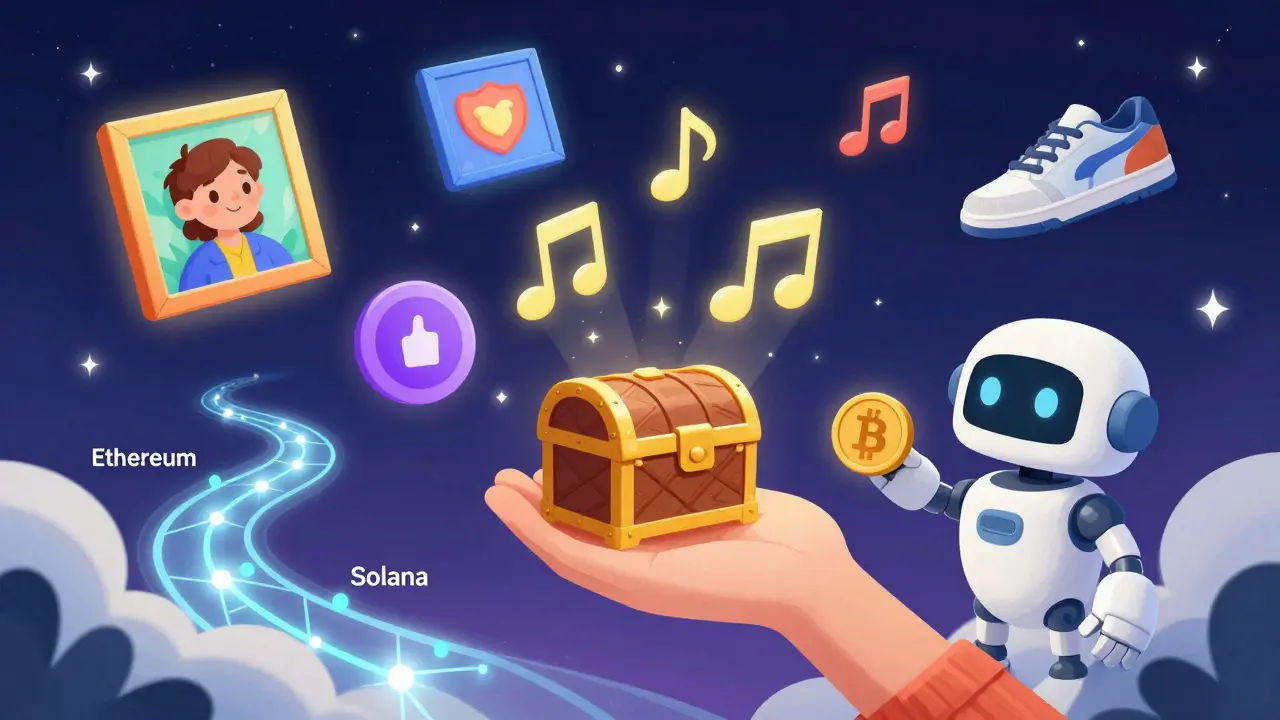
What Are NFT Marketplaces? A Clear Guide to Buying, Selling, and Trading Digital Collectibles
NFT marketplaces are digital platforms where unique digital assets like art, music, and virtual items are bought and sold using blockchain technology. OpenSea leads the market, but newer platforms like Blur and Magic Eden offer faster, cheaper options for traders and collectors.