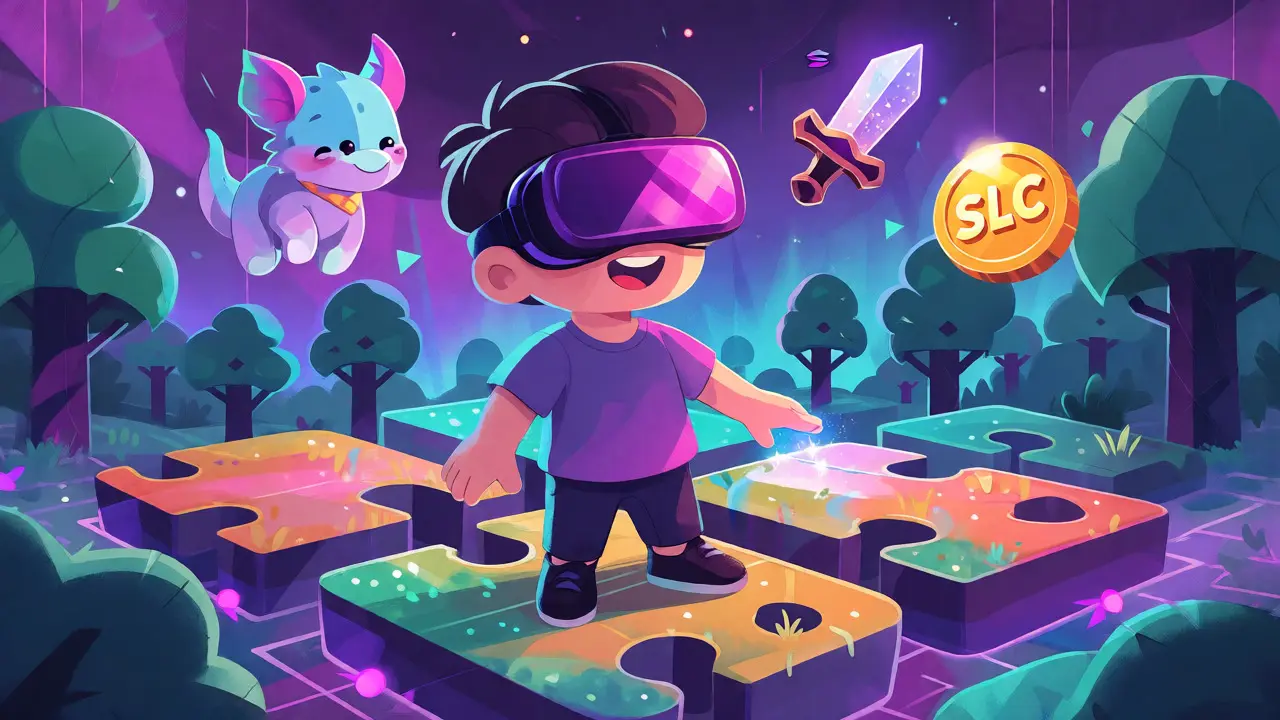
You might have seen Solice popping up in your crypto feeds, often buried under the weight of larger names like Decentraland or The Sandbox. But what exactly is this project? At its core, Solice isn't just another meme coin; it’s a virtual reality metaverse platform built on the Solana blockchain. Think of it as a digital world where you can play, build, own land, and socialize, all powered by a native cryptocurrency called SLC (now often styled as SOLICE). If you’re wondering whether this niche project has legs or if it’s just vaporware from the 2021 hype cycle, you’re in the right place. We’ll break down the tech, the tokenomics, and the harsh market realities facing Solice today.
The Core Concept: A VR-First Metaverse on Solana
Solice is defined in its whitepaper as "the first cross-platform VR metaverse on the Solana blockchain." Unlike browser-based worlds that feel flat, Solice aims for immersion. It targets users with PC and VR headsets, offering a more realistic experience than the voxel-style graphics found in competitors like The Sandbox. The platform uses a decentralized ledger to record ownership of assets, including LAND parcels, clothing, pets, and accessories. These aren’t just database entries; they are non-fungible tokens (NFTs) stored directly on-chain via Solana smart contracts. This means if you buy a piece of virtual real estate, you truly own it, and you can sell it or trade it without asking permission from a central server.
The architecture relies on three main pillars: a decentralized ledger for ownership records, a protocol for describing content within each parcel, and a peer-to-peer network for real-time user interactions. This setup allows for a shared virtual space where thousands of users can interact simultaneously. While projects like Decentraland focus heavily on web accessibility, Solice bets big on high-end graphical fidelity through VR support. Founder Christian Zhang described the vision back in 2021 as building a game "in the mold of Decentraland and The Sandbox" but with superior immersion. Whether that bet paid off depends largely on how many people actually own VR headsets and use them daily-a significant hurdle for mass adoption.
Understanding the SLC Token and Its Utility
The lifeblood of this ecosystem is the SLC token, an SPL token standard native to Solana. You might see it referred to as SOLICE in newer materials, but the ticker remains closely tied to its origins. This token serves multiple critical functions. First, it’s the primary currency. You need SLC to buy LAND, purchase cosmetic items, or acquire resources within the game. Second, it acts as a governance tool. Holding SLC gives you voting rights in the project’s Decentralized Autonomous Organization (DAO).
Governance here works through a "liquid democracy" model. Instead of just voting yes or no, you can delegate your voting power to someone else who understands specific proposals better. This nuance is designed to keep decision-making efficient even as the community grows. Beyond spending and voting, SLC can be staked. Staking helps secure the network economically and rewards holders with additional tokens. The total supply is fixed at 400,000,000 units. There is no inflationary printing of new coins, which theoretically protects value against dilution, assuming demand holds steady. However, as we’ll see later, fixed supply doesn’t guarantee price appreciation if usage drops.
Tokenomics: Supply, Distribution, and Vesting
To understand why the price behaves the way it does, you have to look at the token distribution. The initial circulating supply was only 43,200,000 SLC, while the remaining tokens were locked up in various vesting schedules. This structure was intended to prevent early investors from dumping their holdings immediately after launch.
| Category | Amount (SLC) | Vesting Schedule |
|---|---|---|
| Reserve | 80,000,000 | 1-year cliff, then 2-year vesting |
| Team | 60,000,000 | 1-year cliff, then quarterly vesting |
| Ecosystem | 40,000,000 | 6-month lock, then 2-year linear vesting |
| Community & Marketing | 60,000,000 | 30% unlocked, rest over 7 months |
| Private Sale | 68,000,000 | 3-month cliff, 18-month linear vesting |
| Seed Round | 24,000,000 | 3-month cliff, 18-month vesting |
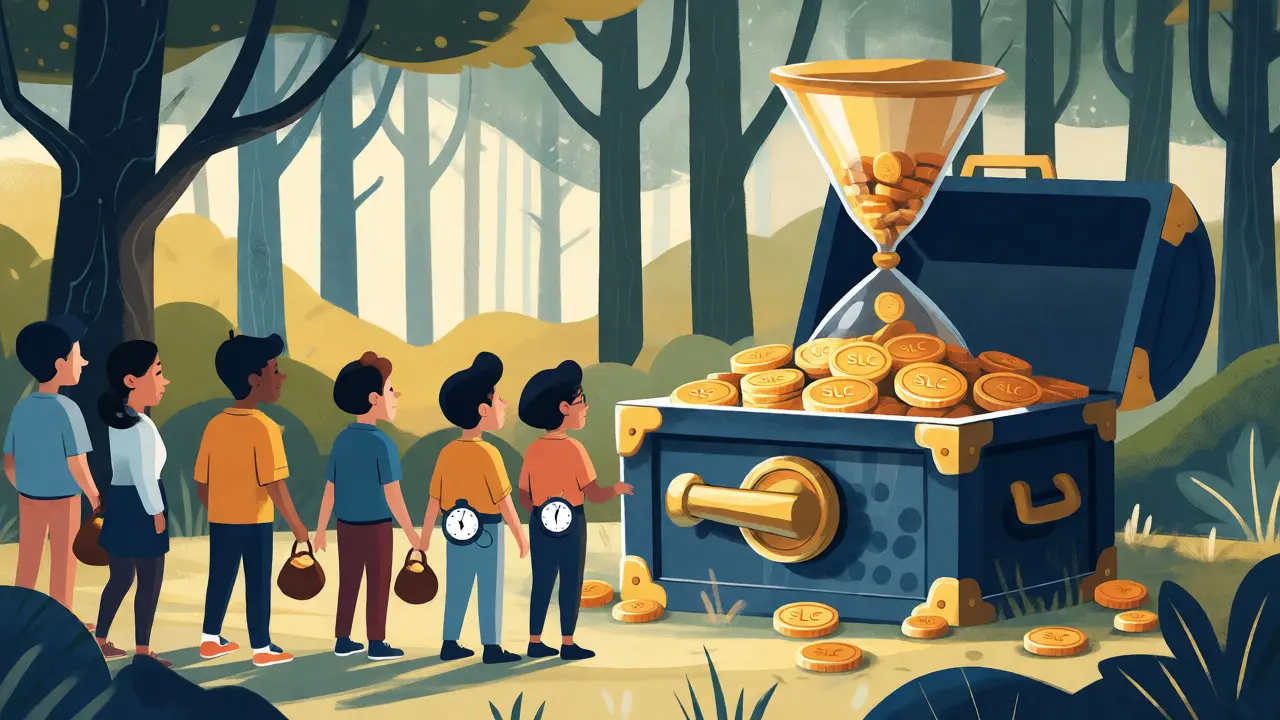
This complex release schedule meant that large amounts of SLC entered the market gradually between 2022 and 2024. Early sale prices ranged from $0.04 to $0.07 per token. If you bought during the public sale, you paid significantly more than seed investors. The long-tail unlock strategy was supposed to align incentives, keeping team members and advisors committed to the project’s success. In practice, however, the gradual influx of supply into a cooling metaverse market created downward pressure on the price.
Market Reality: Price Action and Volatility
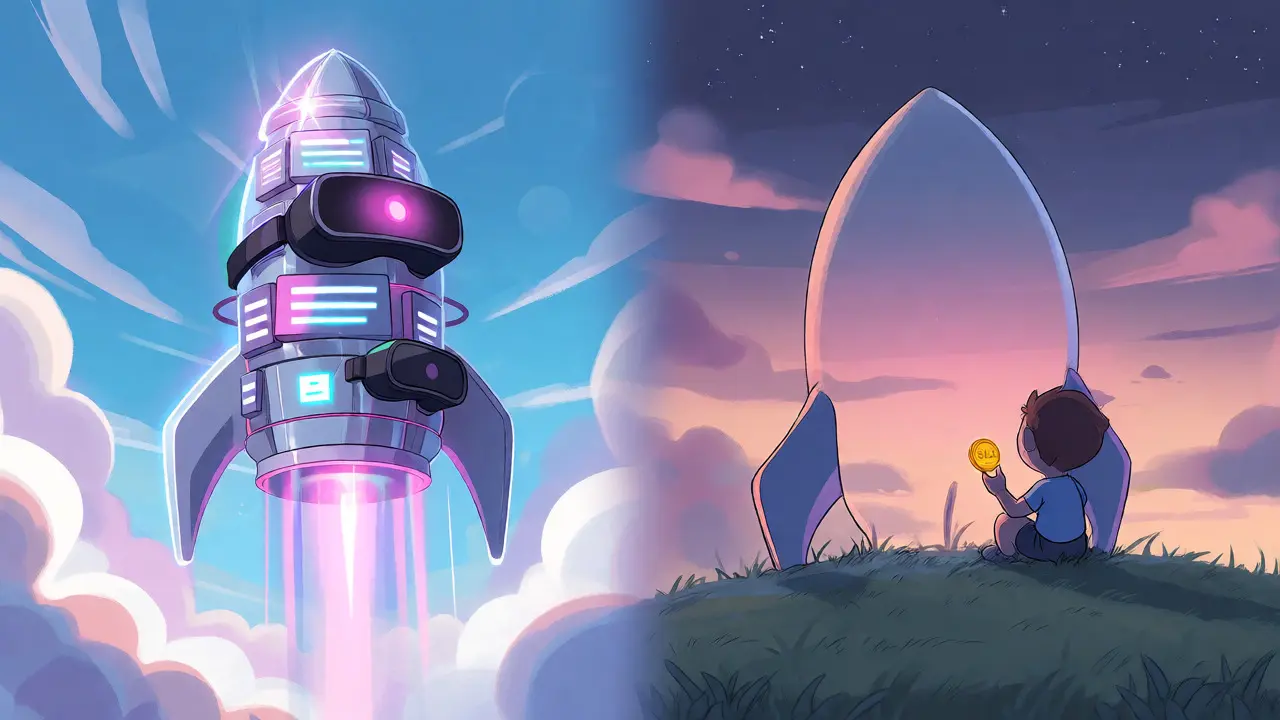
Let’s talk numbers, because they tell a sobering story. As of late September 2026, Solice trades at fractions of a cent. Data aggregators show prices hovering around $0.00002 to $0.00012 depending on the exchange. Compare this to the $0.07 public sale price in 2021, and you’re looking at a decline of over 99%. The market cap reflects this too. While some trackers list a fully diluted valuation based on the 400 million supply, actual trading volumes are thin. On some days, 24-hour volume drops below $100, indicating very little active interest compared to major cryptocurrencies.
Why did the price collapse? Several factors converged. First, the broader metaverse hype bubble burst after 2022. Investors moved away from speculative gaming tokens toward more established assets. Second, competition intensified. Larger players with bigger budgets dominated mindshare. Third, execution delays likely frustrated early backers. While the project launched a soft version, the full immersive VR experience didn’t capture the mainstream audience quickly enough. Today, Solice is considered a micro-cap asset. It’s highly volatile and speculative. Buying it now is less about betting on immediate returns and more about gambling on a potential revival of the Web3 gaming sector.
Technical Discrepancies: Solana vs. Ethereum Claims
Here’s where things get confusing for newcomers. Most official documentation, including the whitepaper and website, states clearly that Solice is built on Solana using the SPL token standard. This makes sense given the low transaction fees and high speed required for gaming interactions. However, some third-party analytics sites incorrectly label Solice as an Ethereum-based project or claim it operates on both chains. This discrepancy likely stems from outdated metadata or simple errors in data aggregation services.
For practical purposes, treat Solice as a Solana-native project. Interactions happen via Solana wallets like Phantom or Solflare. You don’t need gas fees in ETH; you pay small fees in SOL or SLC. Always verify contract addresses on Solscan.io rather than relying solely on generic crypto news sites. Misidentifying the blockchain can lead to failed transactions if you try to send funds to the wrong network. Stick to the official sources for technical integration details.
How to Get Started with Solice
If you want to explore the ecosystem, here’s a straightforward path. You don’t need a massive budget, but you do need the right tools.
- Set up a Solana Wallet: Install a wallet extension like Phantom or a mobile app like Solflare. These are free and secure ways to hold SPL tokens.
- Fund Your Wallet: Buy some Solana (SOL) on a major exchange like Coinbase or Binance. Transfer it to your wallet address. You’ll need SOL to pay for any transaction fees when swapping for SLC.
- Acquire SLC Tokens: Use a decentralized exchange (DEX) on Solana, such as Raydium or Jupiter, to swap your SOL for SLC. Be mindful of slippage settings since liquidity is low.
- Connect to the Platform: Visit the official Solice website. Connect your wallet to access the dashboard. From there, you can view available LAND NFTs, check marketplace listings, or participate in governance votes.
- Stake or Hold: Decide if you want to stake your tokens for rewards or simply hold them as a speculative investment. Remember, locking tokens usually comes with an unstaking period.
Note that hardware requirements matter. Since Solice emphasizes VR, playing the full experience requires a capable PC and potentially a headset. If you’re just holding the token for speculation, you won’t need expensive gear, but you miss out on the utility aspect that drives long-term value.
Risks and Considerations for Investors
Investing in Solice carries specific risks distinct from buying Bitcoin or Ethereum. Liquidity is the biggest concern. With low trading volumes, selling a large position could crash the price temporarily due to lack of buyers. Additionally, the project faces stiff competition. Newer metaverse platforms emerge constantly, often with better funding or more polished graphics. Solice must continually update its software to remain relevant.
Another risk is regulatory uncertainty. While not unique to Solice, all crypto assets face potential scrutiny regarding security classifications. Finally, consider the team’s track record. While they secured venture capital from firms like Three Arrows Capital (which itself collapsed), ongoing development transparency is key. Check their GitHub activity and community forums regularly. If updates slow down, it’s a red flag.
Is Solice built on Ethereum or Solana?
Solice is primarily built on the Solana blockchain. The native token, SLC, follows the SPL token standard. While some third-party data providers may erroneously list it as Ethereum-based, official documentation and smart contract deployments confirm its Solana heritage.
What is the total supply of Solice (SLC)?
The total maximum supply of Solice is fixed at 400,000,000 tokens. This number does not change, meaning there is no inflationary minting mechanism currently in place.
Can I earn money by playing Solice?
Yes, Solice incorporates play-to-earn mechanics. Users can monetize experiences by owning LAND, creating content, or trading NFT assets. Rewards are distributed in SLC tokens, though earnings depend on market conditions and individual engagement levels.
Where can I buy Solice tokens?
You can purchase SLC on decentralized exchanges within the Solana ecosystem, such as Raydium or Jupiter. Some centralized exchanges may also list it, but liquidity is generally higher on DEXs due to lower listing fees for smaller projects.
Does Solice have a DAO?
Yes, Solice utilizes a Decentralized Autonomous Organization (DAO) for governance. Token holders can vote on proposals regarding development direction, treasury management, and policy changes. They can also delegate their voting power to other participants.