Imagine a cryptocurrency with no CEO, no roadmap, and absolutely no promises of utility. Just a rooster. That’s Coq Inu (COQ), a community-driven meme coin launched on the Avalanche C-Chain in December 2023. It sounds absurd, right? But for a specific slice of the crypto world, that absurdity is the point. If you’ve seen COQ trending or wondered why people are buying a digital chicken, this guide breaks down exactly what it is, how it works, and whether it fits your portfolio.
The Origin Story: No Team, No Promises
Most crypto projects launch with a slick whitepaper, a team of developers hiding behind pseudonyms, and a five-year plan to "disrupt finance." Coq Inu flipped the script. Launched on December 7, 2023, by anonymous members of the Avalanche community, COQ positions itself as a pure cultural experiment. The official website explicitly states there is "no team allocation," "no roadmap," and "no promises." This isn't an oversight; it's the core value proposition.
Unlike traditional startups where insiders hold significant chunks of supply, COQ was a fair launch. The entire supply went into initial liquidity paired with just 150 AVAX. There were no presales, no private sales, and no reserved tokens for founders. This structure aims to eliminate the classic "rug pull" risk where early investors dump on retail buyers. However, don’t confuse fairness with safety. While insider dumping is less likely, market manipulation and thin liquidity remain real threats.
Tokenomics: The Numbers Behind the Rooster
To understand COQ, you need to look at its hard-coded rules. These attributes define its behavior on the blockchain and distinguish it from other meme coins like Dogecoin or Shiba Inu.
| Attribute | Value/Description |
|---|---|
| Total Supply | 69.42 trillion COQ |
| Transaction Tax | 0% |
| Network | Avalanche C-Chain (EVM-compatible) |
| Contract Status | Ownership renounced, initial LP burned |
| Launch Date | December 7, 2023 |
The fixed supply of 69.42 trillion might seem massive, but remember, so is Bitcoin’s 21 million relative to its price. The key takeaway here is the lack of inflationary pressure. New COQ tokens aren’t being minted. The contract ownership has been renounced, meaning no one can change the tax rate or mint more tokens. Additionally, the initial liquidity provider (LP) tokens were burned, locking the liquidity pool permanently. This reduces the risk of the creators withdrawing all the funds and disappearing overnight.
Why Avalanche? The Technical Backbone
COQ doesn’t have its own blockchain. It lives on the Avalanche C-Chain, which is an Ethereum Virtual Machine (EVM)-compatible chain known for sub-second finality and low fees. This choice matters for two reasons: speed and accessibility.
First, transaction speeds. On Bitcoin, you might wait ten minutes for confirmation. On Avalanche, transactions finalize in under a second. For a meme coin driven by hype and rapid trading, this responsiveness is crucial. You can swap COQ for AVAX almost instantly.
Second, compatibility. Because it’s EVM-compatible, you don’t need a special wallet. If you use MetaMask, Rabby, or Coinbase Wallet, you already have the tools to interact with COQ. You just need to add the Avalanche network to your wallet. This lowers the barrier to entry significantly compared to coins on non-EVM chains like Solana or Cosmos.
The Use Case: Culture Over Utility
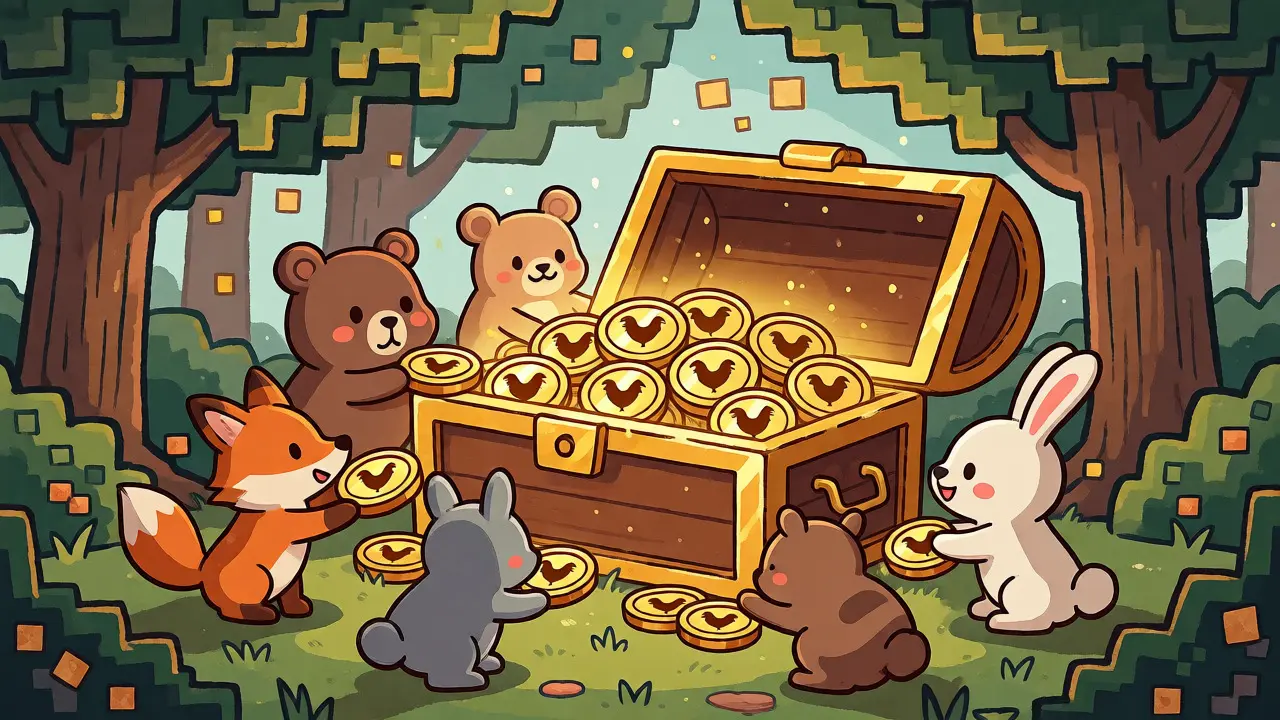
Here is the hard truth: COQ has no intrinsic financial value. It doesn’t generate revenue, pay dividends, or solve a complex technical problem. Its primary function is social. It acts as a badge of membership within the Avalanche meme ecosystem.
Think of it like a t-shirt from a niche band. The shirt doesn’t keep you warmer than any other shirt, but wearing it signals who you are and what community you belong to. COQ holders often engage in humorous marketing campaigns, NFT collaborations, and merchandise drops. Some third-party reports mention partnerships with local businesses like SteakHut, but these are community-led initiatives, not protocol-guaranteed utilities.
This lack of utility is both a strength and a weakness. It simplifies the project-there’s no buggy code to fix or feature to ship. But it also means the price is entirely dependent on sentiment, attention, and liquidity. When the hype fades, there’s no underlying cash flow to support the price.
How to Buy COQ: A Step-by-Step Guide
If you’re ready to jump in, here’s how to navigate the process without falling for scams. Since COQ is primarily traded on decentralized exchanges (DEXs) and a few centralized platforms, precision is key.
- Get an EVM Wallet: Install MetaMask, Rabby, or another compatible wallet.
- Add Avalanche Network: Configure your wallet for Avalanche C-Chain (Chain ID 43114).
- Fund with AVAX: Buy a small amount of AVAX on a major exchange (like Binance or Coinbase) and withdraw it to your wallet address on the Avalanche network. Remember, you need AVAX to pay gas fees.
- Verify the Contract Address: This is critical. Scammers create fake tokens with similar names. Always double-check the contract address:
0x420FcA0121DC28039145009570975747295f2329. - Swap for COQ: Use a DEX like Trader Joe (now LFJ) or check if a centralized exchange like MEXC or Gate.io lists it. If using a DEX, paste the verified contract address to ensure you’re swapping for the right token.
Be mindful of slippage. Because COQ is a micro-cap asset, large trades can move the price significantly. Start with smaller amounts to get comfortable with the mechanics.
Risks: What Could Go Wrong?
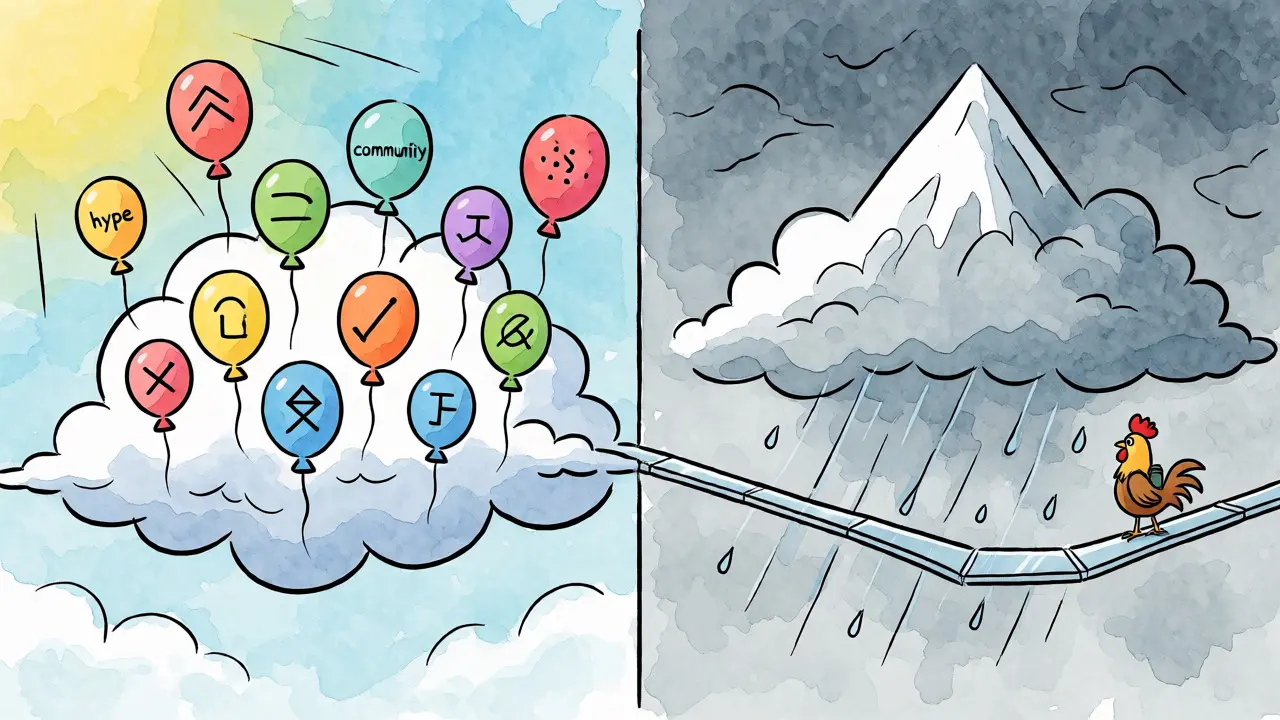
Investing in COQ is high-risk. Here’s what you need to watch out for:
- No Audit: As of late 2026, major security firms like CertiK have not audited the COQ contract. While the renounced ownership adds some trust, the absence of a formal audit means potential vulnerabilities haven’t been independently vetted.
- Liquidity Depth: With a market cap hovering around $6-7 million, liquidity can be thin. Large sell orders can crash the price quickly.
- Phishing Scams: Because COQ is community-driven, unofficial websites and Telegram groups pop up constantly. Never connect your wallet to unknown sites promising "staking rewards" unless you’ve verified the source. COQ itself does not have a native staking protocol.
- Volatility: Meme coins are notoriously volatile. COQ has seen periods where it tripled in value followed by rapid corrections. Emotional trading is your biggest enemy.
FAQs About Coq Inu
Is Coq Inu a good investment?
It depends on your risk tolerance. COQ is a speculative asset with no fundamental utility. It appeals to those betting on community growth and Avalanche ecosystem trends. If you seek stable returns or dividend-paying assets, COQ is likely unsuitable.
Who created Coq Inu?
The creator(s) are anonymous. The project was launched by unidentified members of the Avalanche community. There is no public team, company, or founder associated with COQ, which aligns with its "fair launch" ethos.
Can COQ reach $1?
Mathematically, yes, but it’s extremely unlikely. At a $1 price, COQ would have a market cap of over $69 trillion, exceeding the entire global cryptocurrency market. Most realistic scenarios involve fractional cent movements based on hype cycles.
Where can I buy COQ?
You can buy COQ on decentralized exchanges like Trader Joe (LFJ) on the Avalanche network. It is also listed on several centralized exchanges including MEXC Global, Gate.io, HTX, and KuCoin. Always verify the contract address before purchasing.
Does Coq Inu have a roadmap?
No. The project explicitly states it has "no roadmap" and "no promises." Development is organic and community-led rather than driven by a corporate schedule. This means you shouldn't expect scheduled product releases or feature updates.