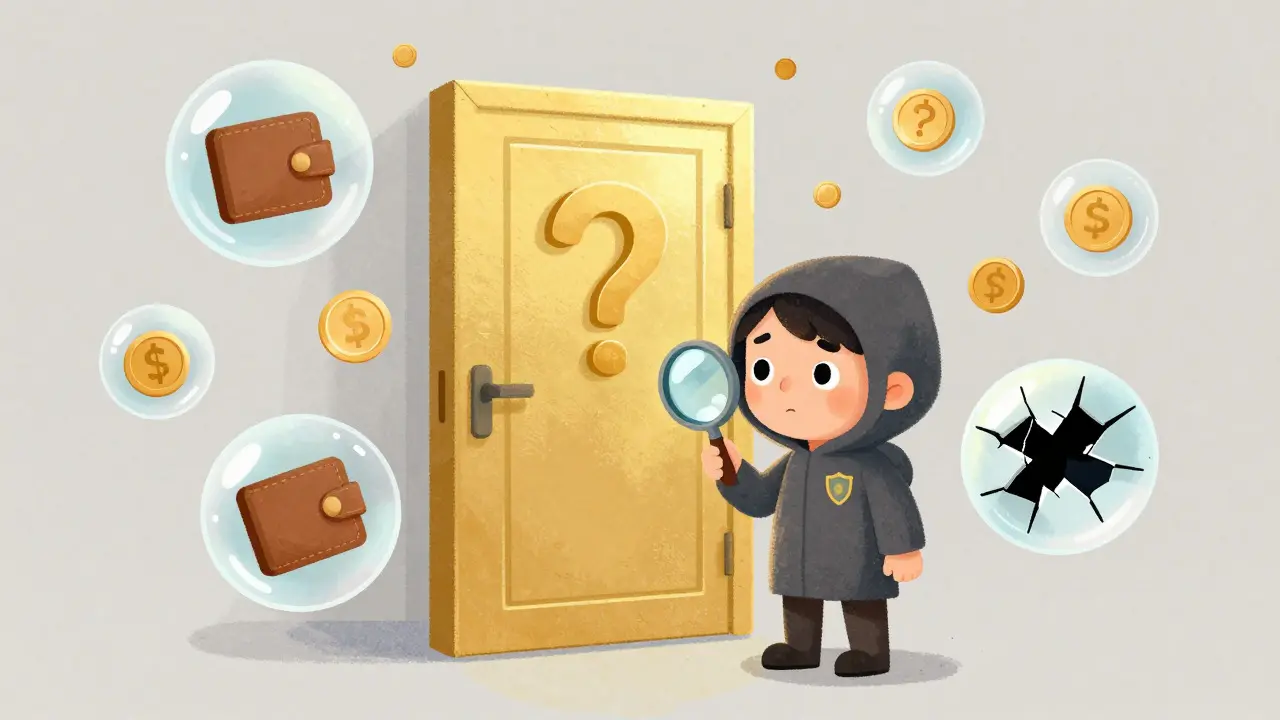
You’ve probably seen the buzz. Maybe it was a tweet from an influencer with millions of followers, a Discord message popping up in your DMs, or a banner on a crypto news site screaming about free tokens. The promise is always the same: connect your wallet, interact with the WELL protocol, and get rich quick through an airdrop. But here is the hard truth that most hype machines ignore: as of mid-2026, there is no credible, verified information about a legitimate "WELL airdrop" from a project officially named WELL.
This isn't just a case of missing data. In the world of cryptocurrency, silence from official sources usually means one of two things. Either the project doesn't exist yet, or worse, it’s a honeypot designed to drain your wallet. With the rise of sophisticated phishing attacks and fake token launches, jumping into an unverified airdrop can cost you everything you own in digital assets. This guide cuts through the noise. We will look at what we know (which is very little), why you should be skeptical, how to spot if this is a scam, and what real airdrops actually look like in today's market.
The Current Status of the WELL Project
Let’s start with the basics. If you are looking for the WELL token airdrop details, you might be hitting a dead end on major tracking sites like CoinGecko or CoinMarketCap. Unlike established projects such as Arbitrum, Optimism, or even recent contenders like Monad and Abstract, "WELL" does not appear in the top tier of rumored or confirmed upcoming distributions for 2025-2026.
In crypto, visibility equals legitimacy. Major protocols announce their tokenomics months in advance. They publish whitepapers, audit reports, and clear eligibility criteria. When a project name surfaces without any of these foundational elements, it raises a massive red flag. There are several smaller, obscure projects that might use the word "Well" in their branding-perhaps related to wellness apps, decentralized identity, or niche DeFi pools-but none have gained the traction required for a significant, community-wide airdrop event.
If you found a specific link claiming to be the "WELL Airdrop," check the URL carefully. Scammers often register domains that look slightly off, like well-airdrop-official.com instead of a verified brand domain. Without a verified social media presence (Twitter/X, Discord, Telegram) linked from an official website, treat the project as non-existent until proven otherwise.
Why You Should Be Skeptical: The Anatomy of Fake Airdrops
Before you connect your MetaMask or Phantom wallet to any site promising free WELL tokens, understand how modern scams work. The days of simple "send 1 ETH, get 10 ETH back" scams are mostly gone. Today’s threats are more subtle and dangerous.
- Wallet Drainers: These sites ask you to sign a transaction that looks like a standard interaction but actually grants the contract unlimited spending access to your assets. Once signed, they sweep your wallet clean.
- Revoke Access Attacks: Similar to drainers, but they exploit old approvals you gave to other contracts, tricking you into signing a malicious update.
- Gas Fee Scams: You pay network fees to claim a token that has zero value, or worse, interacts with a honeypot contract where you can buy but never sell.
- Phishing Links: Emails or messages directing you to a clone of a popular platform (like Uniswap or Coinbase) where you enter your seed phrase.
The "WELL" narrative fits perfectly into the first category. If a site asks you to "approve" a large amount of USDC or ETH to qualify for an airdrop, stop. Legitimate airdrops rarely require upfront payments or broad approval permissions. They usually snapshot your wallet history automatically.
How to Verify if the WELL Airdrop is Legitimate
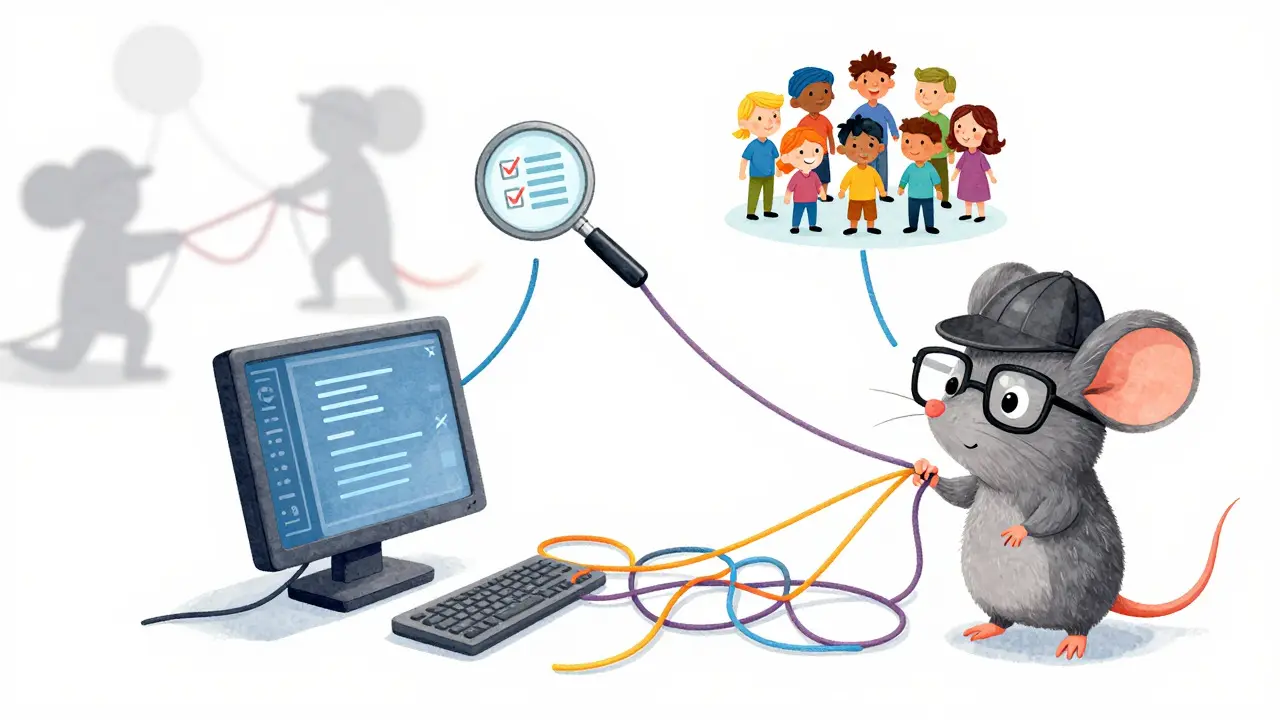
You don’t have to take our word for it. You can perform due diligence yourself using a few simple tools. This process takes five minutes and could save you thousands of dollars.
- Check Contract Addresses: If someone provides a token address for WELL, paste it into Etherscan (for Ethereum) or Solscan (for Solana). Look at the holder distribution. If one wallet holds 90% of the supply, it’s likely a rug pull waiting to happen.
- Verify Social Handles: Go to Twitter. Search for "WELL Protocol." Are the accounts verified? Do they have high engagement from real users, or just bots posting emojis? Check the links in their bio. Do they lead to a professional website or a Google Form?
- Look for Audits: Legitimate DeFi projects hire firms like CertiK, OpenZeppelin, or Trail of Bits to audit their code. If the WELL project claims to be secure but has no audit report, assume it’s vulnerable.
- Community Sentiment: Join the Discord. Ask questions. If the mods kick anyone who asks about the team’s identity or the token’s utility, leave immediately. Transparency is key.
If you cannot find a single verifiable piece of information linking the "WELL" name to a known developer team or venture capital backing, consider it a high-risk experiment at best, and a scam at worst.
What Real Airdrops Look Like in 2026
To understand why the WELL situation feels off, compare it to how reputable projects handle distributions. The landscape has shifted since the early days of 2021. Projects now use points systems, loyalty programs, and strict activity requirements.
| Feature | Legitimate Project (e.g., LayerZero, zkSync) | Suspicious Project (e.g., Unverified WELL) |
|---|---|---|
| Eligibility Criteria | Historical usage, bridging volume, governance participation | Connect wallet, follow Twitter, refer friends |
| Upfront Cost | None (only gas fees for interactions) | Requires buying a NFT, paying a fee, or approving large limits |
| Transparency | Public roadmap, known team, audited smart contracts | Anonymous team, vague promises, no audit links |
| Token Utility | Governance voting, staking rewards, fee discounts | No clear utility, purely speculative price pump |
| Distribution Method | Snapshot-based, automatic claim via official portal | Manual entry forms, suspicious external links |
Notice the difference? Real projects reward behavior, not just attention. They want you to use their bridge, lend on their platform, or vote in their DAO. They don't need you to spam their referral link. If the "WELL" campaign is asking you to do tasks rather than use a product, it’s likely building a bot army, not a community.
Alternative Opportunities: Where the Action Actually Is
If you’re hunting for airdrops because you want to grow your portfolio without heavy investment, your time is better spent on projects with track records. While the WELL dust settles, consider these verified opportunities that have been active or rumored in the 2025-2026 cycle:
- MetaMask Swap Rewards: Consistently one of the most anticipated drops. Users who actively swap tokens within the MetaMask interface are prime candidates. Keep your transaction history clean and active.
- Ambient Finance: A cross-chain liquidity protocol that has hinted at future incentives for providers. Interacting with their pools on multiple chains could position you well.
- Monad Network: As a high-performance EVM-compatible chain, Monad is expected to reward early testers and developers. Participating in testnets is a low-cost way to get involved.
- Eclipse Labs: Focused on Solana scalability, Eclipse has a growing ecosystem. Using dApps built on their infrastructure may yield future benefits.
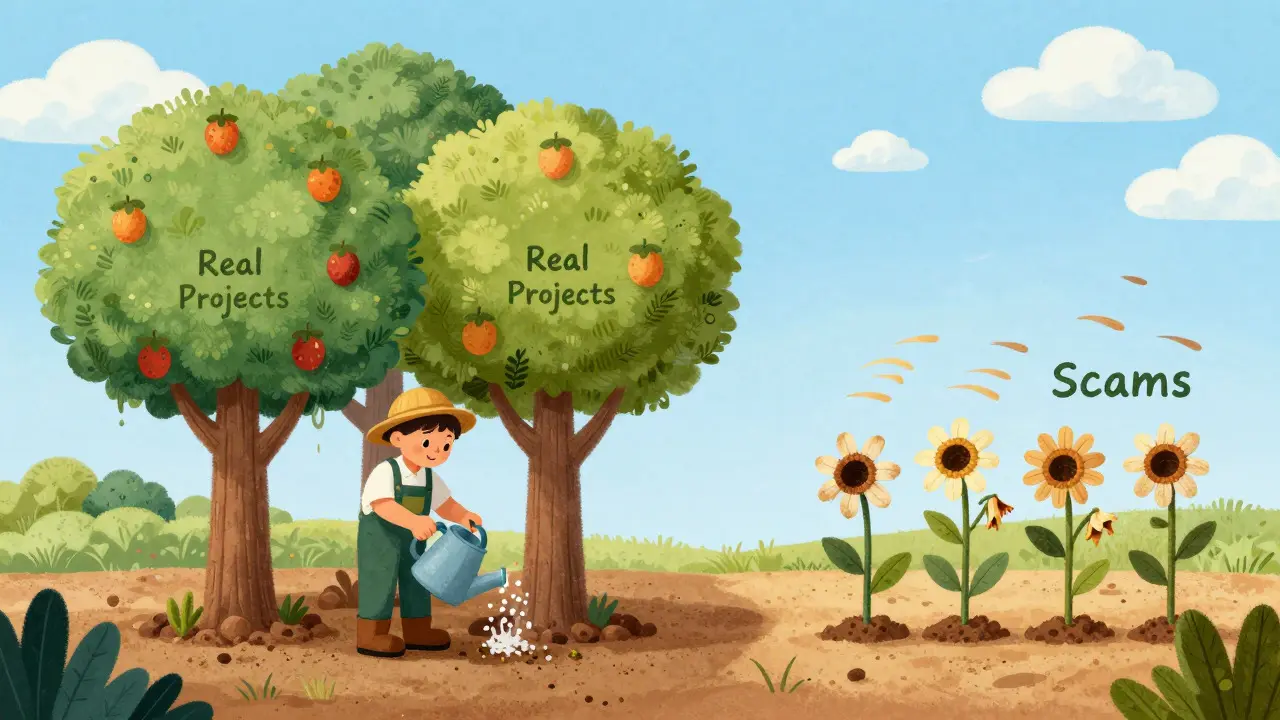
These projects have public teams, active development repositories on GitHub, and clear communication channels. They offer a much higher probability of return on effort compared to chasing ghost projects like WELL.
Safety Checklist Before Claiming Any Airdrop
Regardless of whether WELL turns out to be real or fake, adopting a strict security hygiene routine is essential for every crypto user. Follow this checklist before interacting with any new protocol:
- Use a Burner Wallet: Never connect your main wallet holding your life savings to unknown sites. Use a secondary wallet with minimal funds.
- Revoke Permissions Regularly: After testing a new app, go to Revoke.cash or Debank and remove any unnecessary allowances you granted.
- Enable 2FA: Ensure your email and exchange accounts have two-factor authentication enabled, preferably using an authenticator app rather than SMS.
- Check Domain Age: Use WHOIS lookup tools to see when a website was registered. If the "official" WELL site was created last week, it’s a scam.
- Trust Your Gut: If something feels too good to be true, it almost certainly is. Free money is the oldest bait in the book.
Conclusion: Patience Pays Off in Crypto
The allure of the "WELL airdrop" is understandable. Everyone wants that windfall. But in the crypto space, patience and verification are your greatest assets. Without concrete evidence of a legitimate project behind the name WELL, engaging with it carries unnecessary risk. Focus on building relationships with established protocols, maintain a healthy skepticism toward unsolicited offers, and keep your security tight. The next big, legitimate airdrop will come-and you’ll be ready for it if you haven’t lost your capital to a fake one today.
Is the WELL airdrop legit?
As of mid-2026, there is no verified evidence of a legitimate "WELL" project offering a major airdrop. Most references appear to be rumors or potential scams. Always verify contract addresses and team identities before connecting your wallet.
How do I avoid crypto airdrop scams?
Use a separate burner wallet for new interactions, revoke permissions after testing, check domain registration dates, and never share your seed phrase. Only interact with projects that have audited smart contracts and transparent teams.
What are some safe airdrops to target in 2026?
Projects with strong fundamentals like MetaMask, Ambient Finance, Monad, and Eclipse Labs are considered safer bets. They have active development, public roadmaps, and engaged communities.
Does the WELL token have a contract address?
There is no widely recognized or trusted contract address for a "WELL" token on major blockchains like Ethereum or Solana. Any address found on unofficial forums should be treated with extreme caution.
Should I connect my main wallet to claim the WELL airdrop?
No. Never connect your primary wallet containing significant assets to unverified websites. Use a dedicated burner wallet with minimal funds to minimize potential losses from smart contract exploits.