
Imagine waking up to find that your digital asset exchange has failed to properly verify half a million user accounts. For traders on Upbit, South Korea's largest cryptocurrency exchange operated by Dunamu, this isn't a hypothetical nightmare-it’s the reality of late 2024 and early 2025. The Financial Intelligence Unit (FIU) uncovered massive gaps in Know Your Customer (KYC) protocols, exposing over 500,000 cases of non-compliance. This isn't just about paperwork; it’s about whether your funds are safe and if the platform you trust is actually following the law.
The scale of this investigation is unprecedented. We’re talking about the fifth-largest exchange globally by volume, processing billions daily, suddenly under a microscope for systematic failures. If you hold assets on Korean exchanges or follow global crypto regulations, you need to understand what happened, why it matters, and how it changes the game for everyone involved.
The Core Problem: What Exactly Went Wrong?
At its heart, the issue boils down to identity verification. Regulations require exchanges to know exactly who their customers are to prevent money laundering and fraud. Upbit missed the mark badly across several key areas.
| Violation Type | Specific Failure | Estimated Cases |
|---|---|---|
| Document Authenticity | Accepting photocopied IDs instead of originals | Part of 500k+ total |
| Driving License Checks | Ignoring encrypted serial numbers; checking only personal info | ~190,000 |
| Re-verification Gaps | No official ID collected during periodic reviews | ~9,000,000 |
| Foreign Exchange Links | Facilitating transactions with unregistered foreign platforms | ~45,000 |
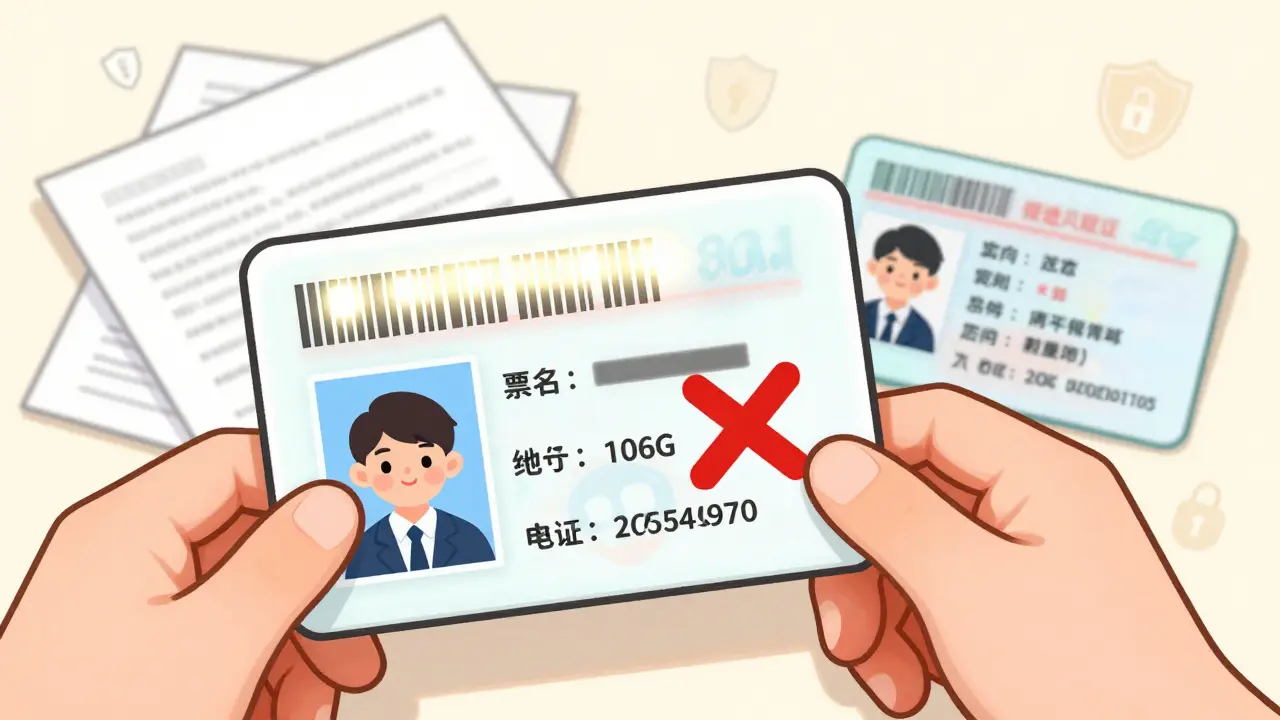
Let’s break that down. In nearly 190,000 instances involving driving licenses, Upbit didn’t check the encrypted serial number-a mandatory security feature in South Korea. They just looked at the name and photo. That’s like checking a library card but ignoring the barcode that proves it’s real. Even worse, during routine re-verifications, they skipped collecting official documents entirely in over 9 million cases. How do you verify someone is still who they say they are if you don’t ask for proof?
Then there’s the connection to unregistered foreign exchanges. About 45,000 transactions linked users to platforms outside the regulated system. This creates a blind spot where illicit funds could flow in or out without detection. It violates the Act on Reporting and Using Specified Financial Transaction Information directly.
Why Did This Happen Now?
You might wonder why regulators waited until now. The answer lies in the license renewal process. Virtual asset service providers (VASPs) in South Korea must renew their licenses every three years. Late 2024 marked that deadline for many major players. The FIU used this routine review to conduct a deep dive into historical data.
This wasn’t a random audit. It was a comprehensive stress test of compliance infrastructure. Regulators wanted to see if exchanges were cutting corners when no one was watching closely. Upbit’s failure suggests systemic issues rather than isolated mistakes. When an organization misses millions of verification steps, it points to broken processes, not just tired employees.
Context matters here. South Korea has evolved from banning crypto trading to embracing it with strict rules. With over 30% of adults holding crypto, the government sees itself as a leader in secure digital finance. Allowing lax KYC standards undermines that goal. The timing aligns with global trends toward tighter oversight, including major actions against Binance and Coinbase elsewhere.
The Stakes: Penalties and Market Impact
The potential financial hit is staggering. Under current laws, each violation can carry a fine up to 100 million Korean won ($68,600). Multiply that by 500,000 cases, and you get a theoretical maximum of $34 billion. Obviously, actual fines will likely be lower through negotiations, but the message is clear: compliance costs money, and ignoring it costs more.
More immediately impactful is the proposed six-month suspension of new user registrations. Imagine being locked out of growing your customer base while competitors scoop up eager traders. For Upbit, which controls roughly 80% of domestic volume, this pause hurts significantly. Existing users can trade, but no new blood enters the ecosystem. That slows momentum and shifts market share.
Compare this to other jurisdictions. In the U.S., Binance paid $4.3 billion to settle AML charges. In Europe, MiCA regulations impose heavy operational requirements. South Korea’s approach-targeting growth via registration bans-is unique. It preserves stability for current users while punishing expansion. Whether this works long-term remains to be seen.
What Does This Mean for You?
If you’re a trader, your first instinct might be panic. Should you withdraw everything? Not necessarily. But you should pay attention. Here’s what you need to consider:
- Fund Security: Are your assets insured? Does the exchange segregate client funds from corporate accounts? Check these basics before worrying about KYC.
- Account Status: Did you complete full verification? If you submitted photocopies or unclear docs, your account might be flagged. Prepare to provide original documents soon.
- Alternative Options: Look at other reputable exchanges like Bithumb or international platforms with strong regulatory standing. Diversify where possible.
- Regulatory Updates: Follow news from the FSC and FIU. Final decisions come quickly, and policy changes affect all users.
Don’t ignore emails from your exchange asking for updated ID. Those requests aren’t annoying-they’re essential for keeping your account active. Skipping them could lead to frozen access later.
Industry Reaction and Future Outlook
Experts call this a “watershed moment.” Legal analysts note that the Special Financial Transactions Act gives regulators powerful tools, and they’re finally using them fully. Compliance consultants warn that audits will become standard practice everywhere. Exchanges worldwide are upgrading their systems right now.
User sentiment is mixed. Some appreciate stricter rules, believing they protect the market from scams. Others feel frustrated by bureaucratic hurdles. On Reddit and Twitter, debates rage about balance between security and convenience. One thing is certain: trust is fragile. Once shaken, it takes time to rebuild.
Dunamu, Upbit’s operator, has filed a lawsuit challenging the sanctions. They argue the penalties are too harsh and dispute some findings. The January 2025 deadline looms large. Will they negotiate? Fight? Or both? Only time will tell.
For the broader industry, this case sets a precedent. Other countries may adopt similar intensive review methods. Exchanges must invest heavily in technology-AI-driven document checks, biometric verification, continuous monitoring. Compliance is no longer optional; it’s survival.
How to Stay Compliant Moving Forward
Whether you run an exchange or just trade, here are actionable steps to stay ahead:
- Verify Thoroughly: Use multi-layered checks. Combine selfie videos, live liveness detection, and database cross-referencing.
- Keep Records: Store copies of all submitted IDs securely. Maintain logs of verification dates and outcomes.
- Train Staff: Ensure compliance teams understand local laws and global best practices. Regular training prevents drift.
- Audit Internally: Conduct mock audits quarterly. Find weaknesses before regulators do.
- Engage Early: Build relationships with regulators. Transparency builds goodwill during crises.
Technology helps, but culture drives success. Companies that prioritize ethics over speed avoid disasters like Upbit’s. Remember: shortcuts today cost fortunes tomorrow.
Will I lose my money if Upbit gets fined?
Unlikely. Fines target the company, not individual user balances. However, if the exchange faces severe restrictions, liquidity might drop, affecting prices. Always keep diversified holdings.
What happens if my account was among the 500,000 violated?
You may receive a request to re-verify your identity. Submit clear, original documents promptly. Failure to comply could result in temporary suspension of trading features.
Is Upbit shutting down completely?
No. The penalty involves suspending new sign-ups for six months. Existing users retain access to deposit, withdraw, and trade normally unless specific accounts are flagged.
How does this compare to Binance’s situation?
Binance faced U.S. federal charges leading to a $4.3B settlement and executive resignations. Upbit’s case focuses on administrative sanctions within South Korea’s framework, emphasizing operational limits rather than criminal prosecution so far.
Should I move my funds to another exchange?
Consider diversifying. Keep some assets on established platforms with proven compliance records. Evaluate alternatives based on fee structures, supported coins, and regional availability. Never rush moves due to fear alone.


mark valmart
May 26 2026honestly this is just another day in crypto land, people are freaking out over nothing but it shows why we need better systems