
Imagine selling a Bitcoin for $1,000,000 after buying it for $100,000 and keeping every single penny of that $900,000 profit. In most parts of the world, that sounds like a dream or a legal nightmare. But in the United Arab Emirates, it is the standard reality for residents. While countries like the US or UK take a massive bite out of your digital asset profits, the UAE has built a fortress for crypto investors by offering a zero-tax environment on personal gains.
Key Takeaways for Investors
- Individuals pay 0% tax on crypto trading, staking, mining, and NFT profits.
- You must be a UAE tax resident (typically spending 183+ days in the country).
- Reporting requirements are increasing via CARF, but tax rates remain at 0%.
- Corporate entities face a 9% tax on profits over AED 375,000 unless in specific free zones.
The Reality of 0% Personal Income Tax on Crypto Gains in UAE
For an individual investor, the UAE is essentially a tax-free zone for digital assets. Whether you are day-trading volatile altcoins, earning passive income through staking, or flipping digital art, the Federal Tax Authority does not levy a personal income tax on these activities. This isn't just about avoiding a small fee; it's about the total absence of capital gains tax.
To qualify for these benefits, you can't just visit for a week. You need to be a legal resident. This usually means holding a residency visa and proving you've spent at least 183 days within the country during the tax year. This residency requirement is the "golden ticket" that allows you to legally shield your portfolio from the high tax brackets found in Western economies.
What Exactly is Tax-Free?
Many investors wonder if there are "catches" to certain types of crypto income. In the UAE, the 0% rate is remarkably broad. It covers nearly every way a human can make money with blockchain technology:
- Trading and Capital Appreciation: Buying low and selling high. If your Ethereum doubles in value, you keep 100% of the gain.
- Staking and Yield Farming: Rewards earned from securing a network or providing liquidity in Decentralized Finance (DeFi) protocols are untaxed.
- Crypto Mining: Personal-scale mining rewards are treated as non-taxable income.
- NFTs: Profits from the creation or sale of Non-Fungible Tokens are exempt.
- Freelance Payments: If you are a developer or consultant paid in USDT or BTC, those payments currently escape personal income tax.
However, it is not a total vacuum. While income tax is zero, Value Added Tax (VAT) at 5% may apply to certain crypto-related services. For instance, if you run a commercial mining operation, you might find that VAT applies to your business inputs and services, as the FTA has clarified that commercial mining isn't automatically exempt from VAT.

UAE vs. The Rest of the World: The Tax Gap
The appeal of the UAE becomes obvious when you look at the alternative. High-net-worth individuals are fleeing "tax traps" in the West where crypto gains are treated as aggressive income. For example, a short-term trader in Germany could face a tax bill of up to 42% on their profits. In the US, high earners are looking at capital gains taxes reaching 37%.
| Country | Tax Rate on Gains | Tax Type | Residency Requirement |
|---|---|---|---|
| UAE | 0% | None | 183+ Days / Residency Visa |
| USA | Up to 37% | Capital Gains / Income | Citizenship/Green Card/Resident |
| Germany | Up to 42% | Income Tax (Short-term) | Tax Resident |
| UK | Up to 28% | Capital Gains Tax | Tax Resident |
The Corporate Side: When 0% Doesn't Apply
It is critical to distinguish between an individual and a business. If you set up a company to trade crypto, you enter a different regulatory tier. The UAE introduced a corporate tax of 9% on taxable profits that exceed AED 375,000. If your trading is a professional business venture with employees and a commercial license, you are no longer in the "personal" category.
That said, the UAE offers a loophole through Free Zones. A company can be classified as a Qualifying Free Zone Person (QFZP), which allows them to maintain a 0% corporate tax rate on qualifying income. This requires "adequate substance"-meaning you can't just have a paper company; you need a real office and actual operations in the zone.
Coming Changes: CARF and the End of Anonymity
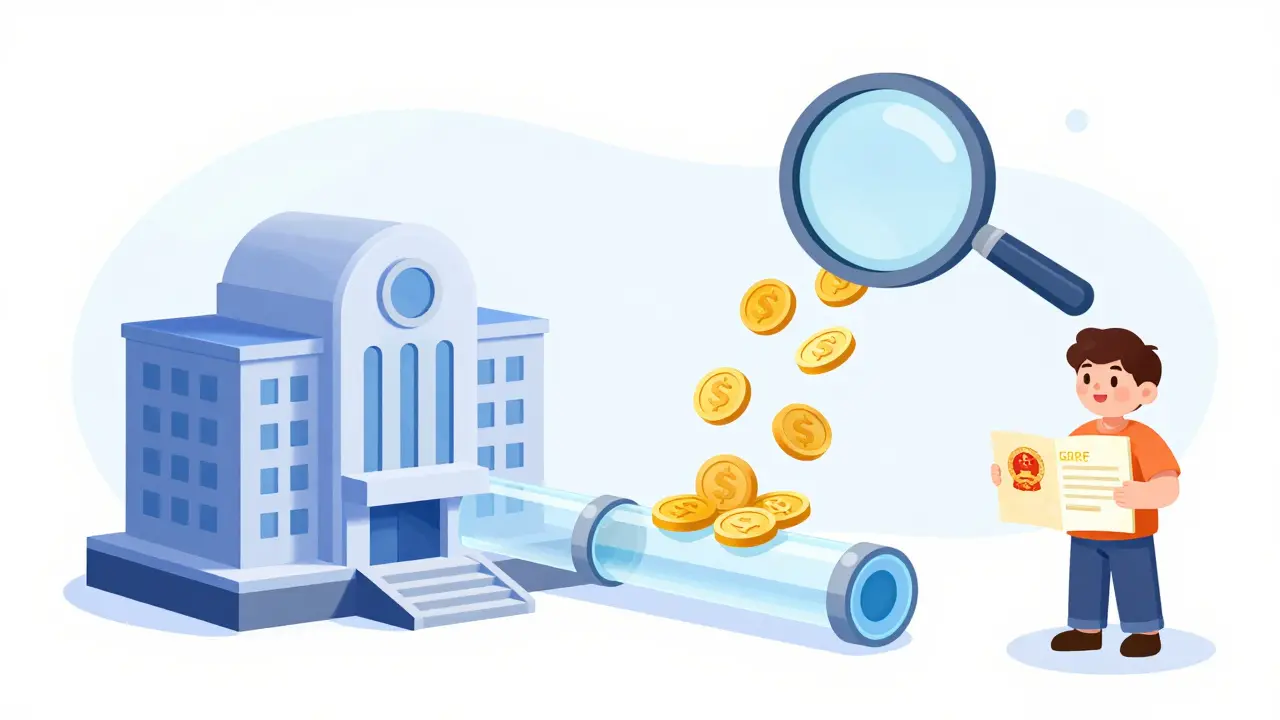
While the tax rate is staying at 0%, the era of "silent" profits is ending. The UAE is implementing the Crypto-Asset Reporting Framework (CARF). Launched with announcements in late 2025, this framework is about transparency, not taxation.
Starting in 2027, and with the first full data exchange in 2028, crypto exchanges, custodians, and wallet providers will be required to share transaction data with the government. This means the Ministry of Finance will know exactly how much you're making. The government's goal isn't to start taxing you-it's to ensure that people aren't using the 0% rate to hide money laundering or other illegal activities.
How to Move Your Portfolio to the UAE
Relocating for tax optimization is a strategic move that takes a few months of planning. You don't just fly in and claim 0% tax; you need a legal paper trail.
- Secure a Visa: Depending on your wealth and profession, you can apply for a standard residency visa or the highly coveted 10-year Golden Visa. This is often granted to investors or specialized professionals.
- Establish Physical Presence: To be a tax resident, you generally need to spend at least 183 days in the UAE. Keep your flight logs and hotel receipts.
- Open Local Accounts: While you can use international exchanges, having a local bank account helps prove your integration into the UAE economy.
- Document Everything: Because of Anti-Money Laundering (AML) laws, you'll need to prove where your crypto came from. If you buy a villa in Dubai with Bitcoin, the bank and the land department will want to see your original purchase dates and exchange records.
Expect the process to take between 3 and 6 months. Costs can range from $10,000 to $50,000 depending on whether you're using a legal firm to handle your residency and corporate setup.
Do I have to report my crypto gains to the UAE government?
Currently, there is no personal income tax return to file for individuals. However, under the new CARF regulations starting in 2027, exchanges and providers will automatically report your data. While you won't pay tax, the government will have a record of your holdings.
Can I use crypto to buy property in Dubai tax-free?
Yes, you can use crypto for real estate, and the gains used for the purchase are not taxed. However, you must pass strict Anti-Money Laundering (AML) checks and provide a clear source of funds for the cryptocurrency.
What happens if I am a US citizen living in the UAE?
US citizens are taxed on their global income regardless of where they live. While the UAE won't tax your gains, the US Internal Revenue Service (IRS) still will. You would need a specialized cross-border tax advisor to handle your US obligations.
Is the 0% tax rate only for Bitcoin?
No, the 0% personal tax rate applies to all digital assets, including Ethereum, Solana, stablecoins, and NFTs. The policy covers the entire category of cryptocurrency gains.
Does the 0% tax apply to crypto mining?
For individuals performing hobby-level mining, there is no personal income tax on the rewards. However, commercial mining operations are treated as businesses and may be subject to corporate tax and VAT.


vijendra pal
April 9 2026Dubai is literally the moon for crypto bros 🚀🚀. Moving there is a total no brainer if u got the bags to afford the visa costs haha