Algeria crypto ban: What it means for users and the future of crypto in North Africa
Algeria crypto ban, a full prohibition on cryptocurrency transactions enacted in 2017 by the Central Bank of Algeria. Also known as Algeria’s crypto prohibition, it makes buying, selling, or holding digital assets illegal under local law. Despite this, crypto use hasn’t disappeared—it’s gone underground. The ban was meant to protect the national currency, the Algerian dinar, and stop capital flight. But it didn’t stop people. Instead, it pushed users toward peer-to-peer platforms, Telegram groups, and cash-based trades with friends or local sellers.
Why does this matter? Because Algeria isn’t alone. Countries like Nigeria, Egypt, and Vietnam have walked a tightrope between banning crypto and trying to regulate it. In Algeria, the government still blocks crypto exchanges, but peer-to-peer crypto trading, a method where individuals trade directly without intermediaries. Also known as P2P crypto, it’s the main way Algerians access Bitcoin and USDT today. You won’t find Binance or Coinbase officially operating there, but you’ll find people trading crypto for cash in markets or through WhatsApp. The Central Bank of Algeria, the nation’s monetary authority that enforces the crypto ban and monitors financial activity. Also known as Bank Al-Maghrib, it has cracked down on banks that facilitate crypto-related transactions, even freezing accounts linked to P2P activity. Still, demand hasn’t faded. Young Algerians use crypto to send money abroad, invest in global projects, or protect savings from inflation.
The Algeria crypto ban is a classic example of how regulation can’t kill demand—it just changes the shape of it. While official channels are blocked, the real crypto activity is happening in the shadows, powered by mobile phones and trust networks. This isn’t just about defiance. It’s about access. For many, crypto is the only way to participate in the global economy without a bank account or foreign currency. And as long as inflation rises and banking options stay limited, people will find a way.
Below, you’ll find real-world breakdowns of crypto bans, how people adapt, and what happens when governments try to shut down decentralized networks. Some posts expose fake platforms pretending to be legal in Algeria. Others show how users bypass restrictions using wallets, mixers, and local trading circles. This isn’t theoretical—it’s what’s happening right now, on the ground, in Algiers, Oran, and beyond.
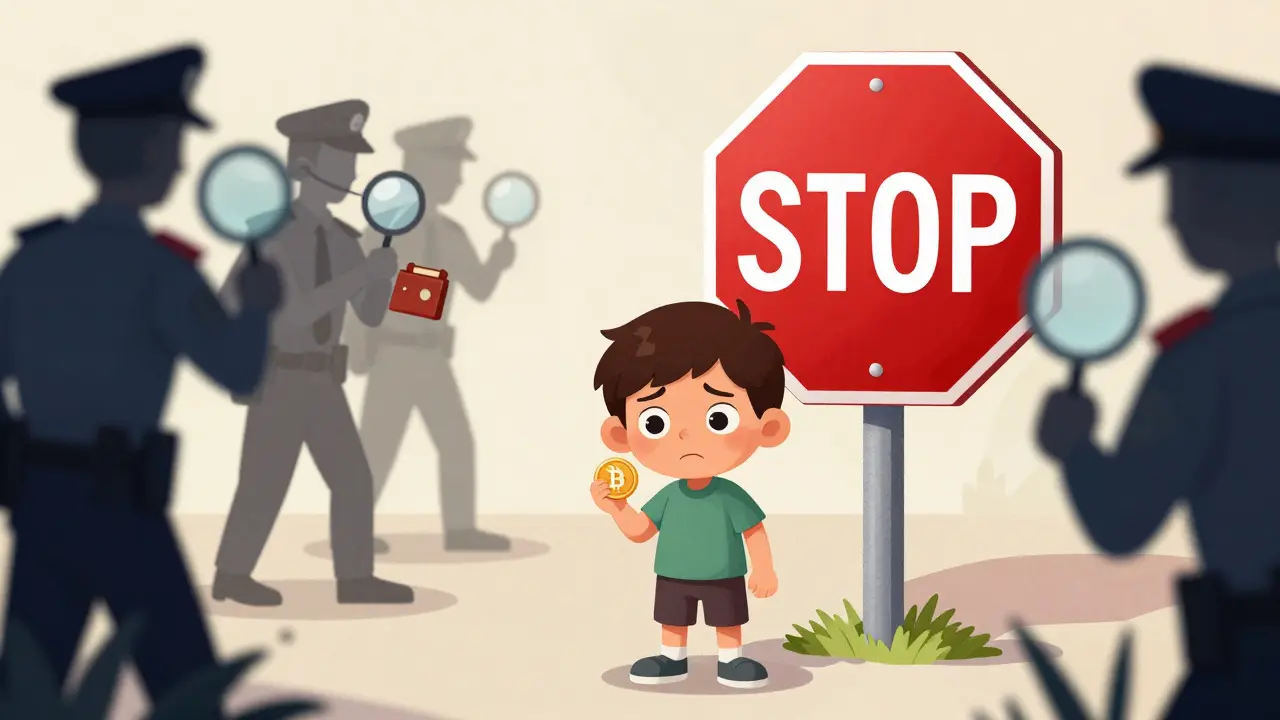
Legal Penalties for Crypto Trading in Algeria: Fines, Jail Time, and What's Banned
Algeria bans all cryptocurrency activities under Law No. 25-10. Violators face jail time, heavy fines, and asset seizures. Learn what's illegal, who gets targeted, and how enforcement works.