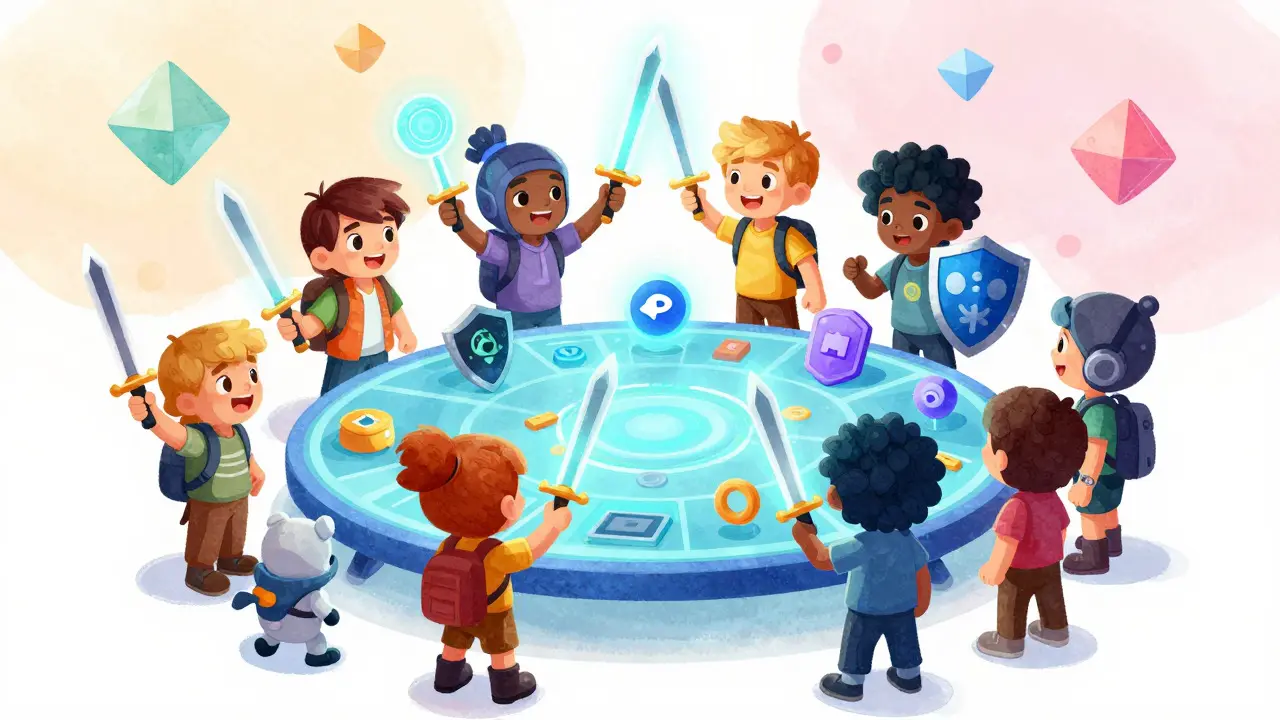
Remember when buying a rare sword in an online game meant you owned nothing but a database entry? That era is officially over. The Gaming NFT market is a sector where non-fungible tokens represent true digital asset ownership within video games, allowing players to buy, sell, and trade in-game items as verifiable property. In 2026, this isn't just about speculative JPEGs anymore. It’s about utility, interoperability, and actual economic value for players who want more than just entertainment from their screen time.
The numbers back this shift. The global gaming NFT market hit $4.8 billion in 2024 and is projected to grow at a compound annual growth rate (CAGR) of 24.8% through 2034. By 2025, gaming NFTs captured 38% of all global NFT transactions, generating $12.9 billion in revenue alone. This dominance signals a fundamental change: gamers are no longer just consumers; they are stakeholders in the digital economies they inhabit.
Key Takeaways
- Gaming NFTs now lead the broader NFT ecosystem, capturing 38% of global transactions in 2025 with a focus on utility over speculation.
- Infrastructure has matured, shifting toward eco-friendly Proof-of-Stake chains like Polygon and Immutable X to reduce costs and environmental impact.
- Play-to-earn models have evolved into sustainable ecosystems, offering real income opportunities, particularly in developing nations like the Philippines and Venezuela.
- Mainstream adoption is accelerating with major platforms like Epic Games and Apple removing barriers, exposing hundreds of millions of users to blockchain gaming.
- Virtual real estate and AI-driven dynamic assets are creating new high-value categories within the gaming NFT space.
The Shift from Speculation to Utility
Early days of NFTs were messy. People bought profile pictures for thousands of dollars hoping the price would go up. Gaming NFTs are different because they have a built-in purpose. You don’t just hold a gaming NFT; you use it. According to data from DappRadar, 73% of gaming NFT transactions in 2025 were driven by actual gameplay rather than investment speculation. This is a crucial distinction. When an item has utility-like a skin that gives a statistical advantage or a land plot that generates passive income-it holds value even if the hype dies down.
This utility-first approach has attracted serious capital. Investment firm Andreessen Horowitz (a16z) allocated over $600 million specifically to gaming NFT startups. They aren’t betting on fleeting trends; they’re investing in sustainable revenue streams for developers and tangible value for players. The result is a market where retention rates are significantly higher than in other NFT sectors. While art NFT holders might keep their assets for 180+ days, gaming NFTs see average hold times of 30-45 days, indicating active trading and usage within the game economy.
Technical Infrastructure: Solving the Friction
If you tried crypto gaming in 2021, you probably hated the gas fees and the clunky wallet interfaces. Those pain points are largely being addressed by better infrastructure. The market has shifted away from energy-intensive Proof-of-Work mechanisms toward Proof-of-Stake (PoS) consensus models. This switch wasn’t just for environmental optics; it was necessary for scalability.
Today, most gaming NFTs operate on networks designed for speed and low cost:
- Ethereum Layer 2s: Solutions like Arbitrum and Optimism allow Ethereum security with near-instant transactions.
- Polygon: Widely adopted for its compatibility with existing web2 infrastructure and zero gas fees for users in many implementations.
- Immutable X: A specialized blockchain for NFTs that offers instant trades and zero gas fees, heavily favored by gaming studios.
- Ronin: Originally built for Axie Infinity, it provides a sidechain solution optimized for gaming applications.
Smart contracts now handle complex tasks automatically. Royalties are distributed instantly when items are resold. Fractional ownership allows groups of players to own expensive assets together. Cross-chain functionality means your sword from one game could theoretically be used in another, though full interoperability is still in its early stages. For developers, integrating these tools has become easier, with SDKs from Immutable X and Polygon providing comprehensive guides that cut development time significantly.
Play-to-Earn: Real Income, Real Challenges
The term "play-to-earn" got a bad reputation during the 2021 crash. Many projects promised riches and delivered inflationary tokenomics that collapsed quickly. However, the model hasn’t died; it has matured. Today’s successful play-to-earn games balance fun with financial incentive. They don’t rely solely on new player investment to pay old players.
In regions like the Philippines and Venezuela, gaming NFTs have become a legitimate source of income. Players there report earning between $200 and $800 monthly through titles like Axie Infinity. For context, this can exceed local minimum wages, making gaming a viable livelihood option. This demographic shift is critical. It moves the user base from wealthy speculators to everyday people who care about sustainability and fair compensation.
However, friction remains. Wallet management is still a hurdle. Traditional gamers aren’t used to managing private keys or understanding gas fees. The learning curve averages 2-3 weeks for a typical gamer to feel comfortable. Community support plays a huge role here. Discord servers and Reddit communities like r/GameFi provide peer-to-peer assistance, helping newcomers navigate technical challenges. Despite the hurdles, 68% of surveyed users report positive experiences with modern play-to-earn mechanics, citing the ability to truly own and transfer assets as the biggest benefit.
Virtual Real Estate and Dynamic Assets
Not all gaming NFTs are swords or skins. Virtual real estate has emerged as a high-value category. Within gaming metaverses like Decentraland and The Sandbox, land parcels are scarce resources. Premium locations in these virtual worlds fetched over $1 million in 2025. Standard plots range from $500 to $50,000, depending on foot traffic and proximity to popular hubs.
Why does virtual land matter? Because it generates revenue. Owners can host events, advertise products, or build experiences that charge entry fees. It’s digital commercial property. This ties directly into the broader metaverse trend, where brands are looking for new advertising channels. Nike, Adidas, and Gucci have all experimented with digital wearables and virtual stores, driving fashion NFT revenue to $890 million in 2025.
Another exciting trend is AI-driven procedural content generation. Instead of static images, some games now create NFTs that evolve. An NPC (non-player character) might change appearance based on how often you interact with it. A weapon might gain visual scars as you defeat bosses. These dynamic NFTs create unique histories tied to individual player behavior, increasing emotional attachment and long-term value.
Comparison: Gaming NFTs vs. Other NFT Categories
| Category | Market Share (2025) | Primary Driver | Avg. Hold Time | User Retention |
|---|---|---|---|---|
| Gaming NFTs | 38% | Utility & Gameplay | 30-45 days | High |
| Profile Pictures (PFP) | 37% | Status & Community | 90+ days | Medium |
| Digital Art | 21% | Collectibility & Speculation | 180+ days | Low |
| Fashion Wearables | ~5% | Brand Loyalty & Identity | Variable | Medium |
This table highlights why gaming is leading the pack. High transaction velocity combined with strong retention suggests a healthy, active economy. PFPs may dominate volume, but they lack the daily engagement loop that games provide. Digital art suffers from low turnover and high speculation risk. Gaming NFTs bridge the gap by offering both frequent interaction and tangible utility.
Mainstream Adoption: Breaking Down Barriers
The biggest catalyst for growth in 2025-2026 is mainstream accessibility. For years, Steam banned NFT games, forcing blockchain titles onto niche platforms. That changed. Epic Games Store now accepts blockchain games, and Epic itself partnered with Polygon to integrate NFT support across Fortnite and Unreal Engine. This potentially exposes 400+ million users to blockchain concepts without them even realizing it.
Apple also removed restrictions on NFT trading within iOS apps in version 17.5. This opens access to 1.3 billion iPhone users globally. Mobile gaming is the largest segment of the gaming industry, and bringing NFTs to mobile removes the need for desktop wallets and complex setups. Imagine buying a skin in a mobile game using your Apple ID, with the backend handling the blockchain transaction invisibly. That’s the future we’re seeing now.
Traditional giants are catching up too. Microsoft is exploring NFT integration for Xbox. Sony has filed multiple blockchain gaming patents. Even Electronic Arts, which paused NFT plans in 2024 due to backlash, resumed development with a more user-centric approach. They learned that forced monetization fails, but optional, valuable digital ownership resonates.
Challenges and Risks
Despite the progress, significant challenges remain. Regulatory uncertainty is a major headache. The EU’s MiCA regulation provides clarity, but the US still lacks federal guidance, relying on patchwork state laws. Developers must navigate compliance across multiple jurisdictions, adding legal costs and complexity.
User experience is still not perfect. Gas fees can spike during network congestion. Wallet security remains a concern, with phishing attacks targeting inexperienced players. And let’s be honest: some blockchain games are just bad games. If the core gameplay isn’t fun, the NFT layer won’t save it. Critics argue that NFTs add unnecessary complexity to simple experiences. Sentiment surveys show improving acceptance among younger demographics, but older gamers remain skeptical.
Environmental concerns persist, though less so than before. With the shift to Proof-of-Stake, energy consumption has dropped dramatically. Carbon-neutral gaming platforms are emerging, appealing to eco-conscious players. Still, transparency is key. Players want to know their favorite games aren’t contributing to climate change.
Future Outlook: What’s Next?
The trajectory is clear. Messari projects gaming NFTs will reach $50 billion in annual transaction volume by 2027. The total addressable market could hit $703.47 billion by 2034. This growth isn’t coming from new crypto natives; it’s coming from traditional gamers who never knew they wanted blockchain features until they experienced them.
Interoperability will be the next big frontier. Imagine taking your avatar, weapons, and achievements from one game and using them in another. Cross-chain protocols are making this possible, though standardization is still needed. AI will continue to enhance dynamic assets, creating personalized experiences that adapt to player behavior.
Venture capital is pouring in. Sequoia Capital, Binance Labs, and others invested $3.2 billion in gaming NFT startups in 2025 alone. This funding supports R&D, marketing, and infrastructure improvements. The next 18 months are critical. If major publishers successfully integrate blockchain without alienating their user base, we’ll see a tipping point. If not, the sector may stagnate.
For players, the advice is simple: choose games with strong fundamentals. Look for engaging gameplay first, NFT utility second. Avoid projects that promise quick riches. Focus on communities with active development and transparent roadmaps. Titles like Gods Unchained, The Sandbox, and Decentraland offer solid starting points for newcomers.
Frequently Asked Questions
What is the current size of the gaming NFT market?
The global gaming NFT market was valued at $4.8 billion in 2024. In 2025, it generated $12.9 billion in revenue, accounting for 38% of all global NFT transactions. It is projected to grow at a CAGR of 24.8% through 2034.
Are gaming NFTs environmentally friendly?
Most modern gaming NFTs use Proof-of-Stake (PoS) blockchains like Polygon, Immutable X, and Ethereum Layer 2s. These consume significantly less energy than older Proof-of-Work systems, reducing environmental impact by over 99%. Many platforms also offset remaining carbon emissions.
Can I really earn money playing NFT games?
Yes, but it varies. In developing countries like the Philippines and Venezuela, players report earning $200-$800 monthly through play-to-earn mechanics. Success depends on choosing sustainable games with balanced tokenomics rather than speculative projects.
Which blockchains are best for gaming NFTs?
Top choices include Polygon (low fees, wide adoption), Immutable X (zero gas fees, instant trades), Ronin (optimized for gaming), and Ethereum Layer 2s like Arbitrum. These networks offer speed, scalability, and cost-effectiveness essential for gaming.
Is it safe to buy gaming NFTs?
Safety depends on platform choice and security practices. Use reputable marketplaces and hardware wallets for storage. Be wary of phishing scams. Research the game’s team and tokenomics before investing. Major platforms like Epic Games Store are increasing trust through curated selections.
How do gaming NFTs differ from regular in-game purchases?
Regular in-game purchases are tied to a single game account and cannot be sold or transferred outside the platform. Gaming NFTs are stored on a blockchain, giving you true ownership. You can sell, trade, or move them to other compatible games, creating a portable digital asset.
Will major game companies adopt NFTs?
Many already are. Ubisoft, Square Enix, and Bandai Namco have dedicated blockchain divisions. Microsoft and Sony are exploring integrations. Epic Games’ partnership with Polygon signals broad industry acceptance. Adoption will likely increase as technology becomes seamless for end-users.
What is the role of AI in gaming NFTs?
AI enables procedural generation of dynamic NFTs. These assets evolve based on player actions, such as a weapon gaining visual wear or an NPC changing personality. This creates unique, personalized items that reflect individual gaming histories, enhancing engagement and value.
How much does it cost to develop a gaming NFT platform?
Enterprise-level integration requires $500,000 to $5 million in initial investment and 6-18 months of development. Costs depend on blockchain choice, feature complexity, and team size. Smaller indie projects can start with lower budgets using existing SDKs and templates.
What are the biggest risks for gaming NFT investors?
Key risks include regulatory changes, project abandonment, smart contract vulnerabilities, and market volatility. Always diversify, research thoroughly, and invest only what you can afford to lose. Focus on games with active communities and transparent development teams.