
You might have stumbled upon the name Bleutrade while digging through old forums or looking for obscure altcoins. If you are considering depositing money there right now, stop. Put your wallet away. This isn't just another outdated exchange; it is widely recognized as a closed platform with severe warnings regarding fraud.
In this review, we are going to look at why Bleutrade lost its reputation, what happened to its users, and exactly why you should avoid it in 2026. We will also cover safer alternatives if you are still hunting for those niche tokens that used to be Bleutrade's main selling point.
The Quick Verdict: Do Not Use Bleutrade
Here is the bottom line before we get into the details. Bleutrade is not a safe place for your funds. Multiple authoritative sources, including Myfxbook and StaySafeWeTrace, classify it as a closed exchange involved in advance-fee scams. The website bleutrade.io currently holds a very low trust score on ScamAdviser. If you see the site up and running, do not assume it is legitimate. It is likely a trap designed to steal your cryptocurrency.
- Status: Closed / Potentially Fraudulent
- Safety Rating: Extremely Low (Avoid)
- Fiat Support: None (Crypto-to-Crypto only)
- Best For: No one. There are no valid use cases left.
What Was Bleutrade?
To understand why you should stay away, it helps to know what Bleutrade tried to be. Launched around 2014, Bleutrade was a cryptocurrency exchange that focused on listing a vast number of alternative cryptocurrencies, often referred to as altcoins. At its peak, it claimed to serve around 30,000 users. Its main appeal was simple: it listed coins that bigger exchanges like Binance or Coinbase ignored.
However, this strategy had a dark side. Many of these "altcoins" were essentially worthless projects, sometimes called "crap coins" by critics at the time. The exchange positioned itself as a haven for speculative traders who wanted anonymity and access to obscure markets. But as the crypto market matured, Bleutrade failed to adapt. It lacked advanced trading tools, had poor liquidity, and eventually, its operational integrity collapsed.
Red Flags: Why Experts Warn Against It
The decline of Bleutrade wasn't sudden; it was a slow burn of bad practices that turned into outright danger. Here are the specific red flags that emerged over the years:
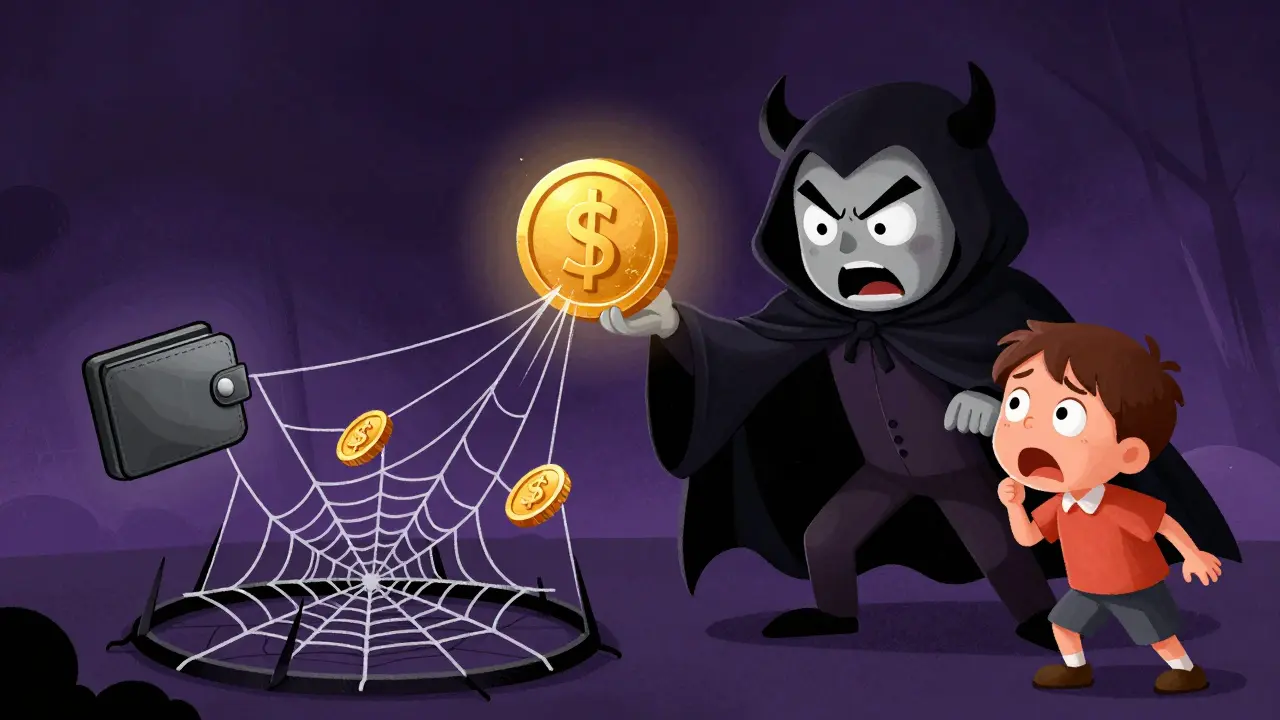
- Advance Fee Scams: This is the most critical warning. StaySafeWeTrace explicitly labeled Bleutrade as involved in advance-fee scams. The pattern is consistent: a user tries to withdraw funds, but the platform demands they pay a "fee" or "tax" first. Once that payment is made, the original funds disappear, and the user never gets them back.
- Low Trust Scores: ScamAdviser, an automated tool that analyzes website security and reputation, gives bleutrade.io a very low trust score. It detects multiple indicators commonly associated with fraudulent sites.
- Closure Status: Myfxbook, a well-known financial tracking platform, lists Bleutrade under "Closed Crypto Exchanges." When an exchange closes without proper communication or fund return, it is a major breach of trust.
- Poor User Sentiment: As early as late 2017, reviews from ForexSQ noted widespread dissatisfaction. By 2018 and 2019, Reddit threads filled with reports of users unable to withdraw their Bitcoin or Ethereum after paying verification fees.
Platform Features vs. Reality
If you look at some outdated data aggregators like CoinCodex, you might see misleading information. They may list features such as margin trading, mobile apps, or fiat gateways. Let’s clear up the confusion between what was advertised and what actually existed.
| Feature | Claimed/Outdated Info | Actual Experience |
|---|---|---|
| Fiat On-Ramp | Listed as available by some aggregators | None. You could only deposit other cryptocurrencies. No credit cards, no bank transfers. |
| Trading Tools | Basic charts and order books | Very basic. Lacked professional charting tools found on platforms like TradingView integration. |
| Liquidity | Varied by coin | Extremely Low. Most pairs had thin order books, making it hard to buy or sell large amounts without crashing the price. |
| Security | Standard SSL encryption | Compromised. Reports of frozen accounts and inability to recover funds suggest internal security failures or malicious intent. |
| Customer Support | Email support | Non-existent. Response times stretched to weeks, and many tickets went unanswered entirely. |
The Withdrawal Trap: How Users Lost Money
The most common horror story involving Bleutrade follows a specific script. You sign up because you want to trade a rare altcoin. You deposit Bitcoin. You make a profit on paper. Then you try to withdraw.
At this stage, the system blocks the withdrawal. A message appears stating you must pay a "network fee," "verification tax," or "regulatory charge" to release your funds. This is a classic advance-fee scam. Legitimate exchanges deduct fees from your balance automatically; they never ask you to send more money to get your money out.
Users who fell for this trap reported losing thousands of dollars. Even those who didn't pay the extra fee often found their accounts locked indefinitely. With no regulatory oversight in Malta or Brazil (the conflicting jurisdictions cited by different sources), there was no legal recourse for victims.
Is Bleutrade Still Operational in 2026?
This is a tricky question. Technically, the domain might resolve, and you might see a website. However, functionally, the exchange is dead. CryptoSlate’s 2022 report on "Dead Exchanges" included Bleutrade, noting that it ceased legitimate operations or transitioned to scam activities following liquidity crises.
Even if the site looks active, do not engage. The lack of recent development, the absence of social media activity, and the persistent warnings from security firms indicate that any interaction with the platform is high-risk. In the world of crypto, silence usually means trouble.

Better Alternatives for Altcoin Trading
If you are looking for Bleutrade because you want to trade obscure altcoins, you have better options today. The market has consolidated, and larger exchanges now offer deep liquidity for thousands of tokens without the risk of being scammed.
- Binance: Offers the widest selection of altcoins globally. High liquidity, robust security, and regular audits.
- KuCoin: Known as the "People's Exchange," KuCoin lists many smaller-cap coins earlier than competitors. It is regulated and has a strong track record.
- Gate.io: Another strong contender for niche assets. Gate.io frequently lists new tokens and provides detailed market data.
- Mexc: Gained popularity for listing a vast array of meme coins and low-cap projects quickly after launch.
These platforms require KYC (Know Your Customer) verification, which might feel less anonymous than Bleutrade once was. However, that verification protects your funds and ensures you can withdraw them when you need to. Anonymity is not worth the risk of total loss.
How to Spot a Dead or Scam Exchange
Bleutrade serves as a cautionary tale. To protect yourself in the future, watch for these signs:
- No Fiat Options: While not always a scam, exchanges that only accept crypto deposits often cater to shady actors. Legitimate businesses usually integrate banking rails.
- Requests for Extra Fees: Never pay a fee to withdraw. If an exchange asks for a separate transaction to unlock funds, it is a scam.
- Old Domain Registration: Check the domain age. New domains claiming to be established exchanges are suspicious.
- Social Media Silence: Active exchanges post daily updates. If the last tweet was two years ago, run.
- Negative Reviews on Independent Sites: Ignore reviews on the exchange's own site. Check Trustpilot, Reddit, and specialized crypto forums.
Final Thoughts
Bleutrade started with a niche idea but ended as a warning label. The combination of poor liquidity, lack of transparency, and eventual fraudulent behavior makes it unsafe for anyone. In 2026, the crypto market is far more mature. You do not need to risk your capital on defunct platforms to find interesting trading opportunities. Stick to reputable, regulated exchanges that prioritize user security over quick gains.
Is Bleutrade a scam?
Yes, Bleutrade is widely considered a scam. Multiple sources, including StaySafeWeTrace and ScamAdviser, warn that the platform is involved in advance-fee fraud. Users report being unable to withdraw funds unless they pay additional "fees," which results in the loss of their initial deposit.
Can I still withdraw my money from Bleutrade?
It is highly unlikely. Myfxbook lists Bleutrade as a closed exchange. If you attempt to withdraw and are asked to pay a fee, do not do so. This is a common tactic used by fraudulent operators to extract more money from victims before disappearing completely.
Why did Bleutrade close?
Bleutrade faced declining liquidity, increasing regulatory pressure, and growing user dissatisfaction. Reports suggest it transitioned from a struggling legitimate business to a fraudulent operation, freezing user funds and demanding illegal fees. The collapse was accelerated by the rise of larger, more secure competitors.
Where can I trade obscure altcoins safely?
For safe altcoin trading, consider major exchanges like Binance, KuCoin, Gate.io, or Mexc. These platforms list thousands of niche cryptocurrencies but operate with higher security standards, liquidity, and regulatory compliance compared to defunct exchanges like Bleutrade.
Does Bleutrade accept US Dollars or Euros?
No. Bleutrade was a crypto-to-crypto only exchange. It did not support fiat currency deposits via bank transfer or credit card. Any claim suggesting otherwise is likely outdated or part of a deceptive listing.


ELNORA JEFFERSON
June 28 2026another useless article about a dead platform that nobody cares about anymore