
Have you ever stumbled upon a cryptocurrency exchange that sounds promising but feels strangely quiet? That is exactly what happens when you look into Bitsonic, a centralized cryptocurrency exchange based in Seoul, South Korea. If you are not fluent in Korean, this platform might seem like a locked door. But if you are curious about the Asian crypto market or have heard whispers of its native token, you probably want to know if it is safe, usable, and worth your time. Let’s cut through the noise and look at what Bitsonic actually offers.
The Reality of Using Bitsonic Today
First things first: Bitsonic is not designed for the global crowd. Unlike giants like Binance or Coinbase, which cater to millions of users worldwide with support in dozens of languages, Bitsonic operates almost exclusively in Korean. The entire interface, from registration to customer support, is in Hangul. This isn’t just a minor inconvenience; it is a hard barrier. If you cannot read Korean, you will need translation tools just to navigate the homepage, let alone execute a trade.
This language restriction tells us something important about their target audience. They are focusing heavily on domestic users in South Korea. For an international trader, this raises immediate red flags regarding accessibility and support. You won’t find English FAQs, and you certainly won’t get help in English if something goes wrong with your account.
What Can You Actually Trade?
Despite the language hurdle, the core functionality of Bitsonic looks standard for a centralized exchange (CEX). It supports trading pairs involving the Korean Won (KRW), which makes sense given its location. You can trade major cryptocurrencies like Bitcoin (BTC), Ethereum (ETH), and Tether (USDT). There are also pairs for altcoins like EOS.
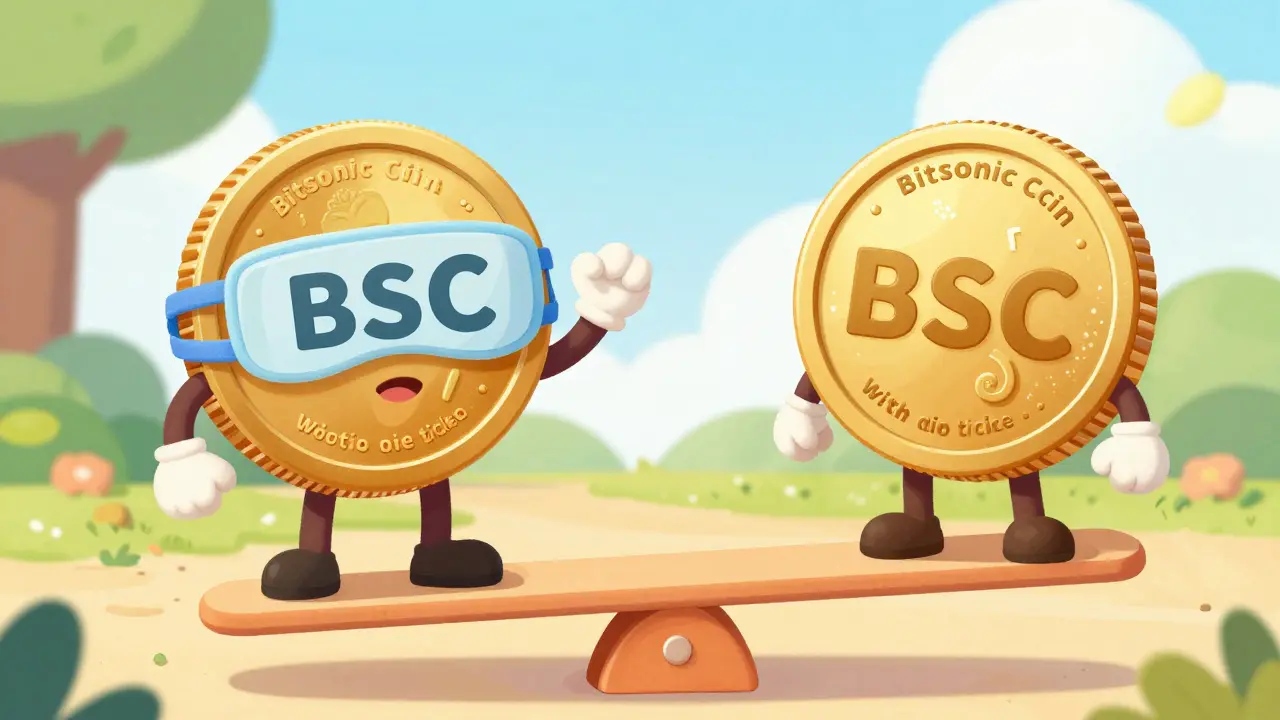
Here is where it gets interesting: Bitsonic has its own native cryptocurrency called Bitsonic Coin (BSC). This token serves as a utility within their ecosystem. However, be very careful here. Do not confuse Bitsonic Coin (the exchange’s token) with BNB Chain’s native token, which also uses the ticker BSC in some contexts, or other tokens with similar names. Always verify the contract address and the specific platform before buying any asset labeled "BSC".
| Feature | Bitsonic | Binance | Upbit (Korean Leader) |
|---|---|---|---|
| Language Support | Korean Only | 10+ Languages | Korean, English |
| Fiat On-Ramp | KRW (Bank Transfer) | USD, EUR, KRW, etc. | KRW |
| Native Token | BSC | BNB | N/A |
| International Accessibility | Very Low | High | Medium |
| Regulatory Transparency | Limited Info | High (Global Licenses) | High (Korean Regulated) |
Security and Regulatory Status: The Big Question
When it comes to crypto exchanges, security is non-negotiable. South Korea has some of the strictest Anti-Money Laundering (AML) and Know Your Customer (KYC) laws in the world. Major Korean exchanges like Upbit and Bithumb are fully compliant and regularly audited. But where does Bitsonic stand?
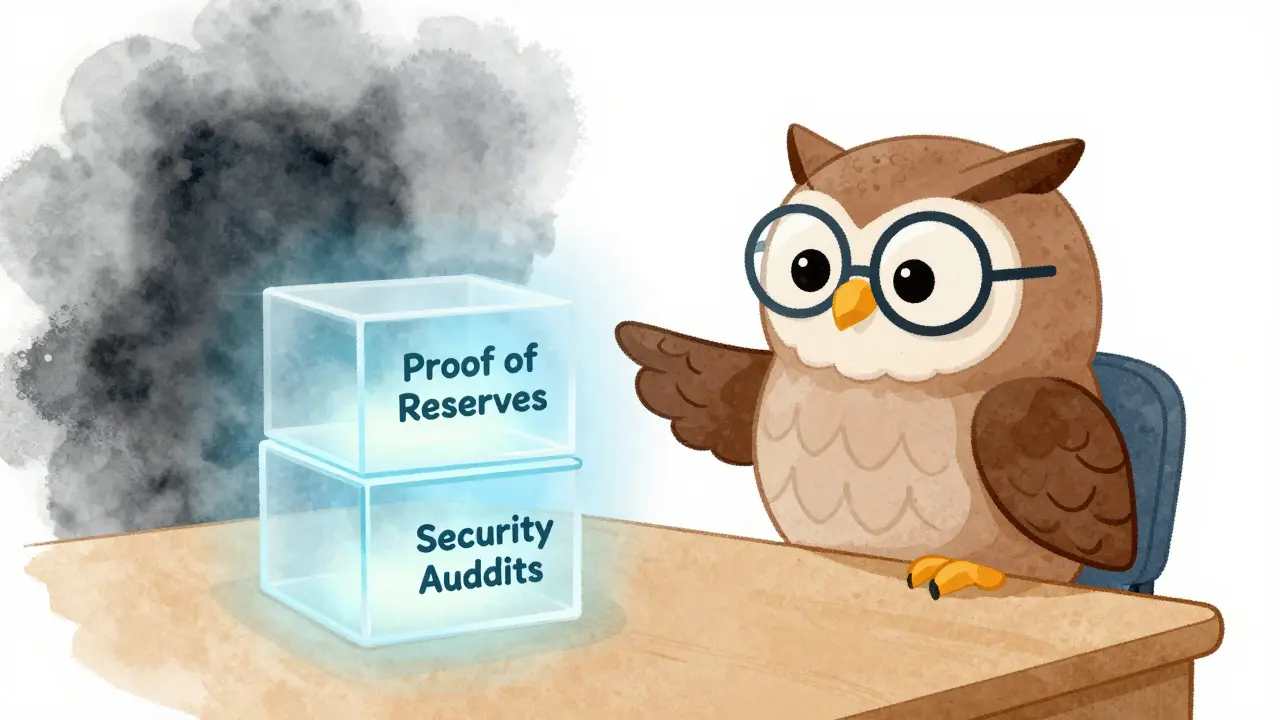
Here is the problem: there is very little public information about Bitsonic’s regulatory status. Unlike Bitunix, which boasts licenses from the US FinCEN and Canadian FINTRAC, Bitsonic does not prominently display international licensing credentials. While it likely complies with local Korean laws to operate, the lack of transparent Proof of Reserves (PoR) audits or detailed security whitepapers is concerning for anyone outside of South Korea.
If you are considering depositing funds, ask yourself: who holds my money? Without clear proof of reserves, you are relying entirely on trust. In the crypto world, trust is cheap. Verification is expensive. Bitsonic currently lacks the verification layer that top-tier exchanges provide.
User Experience and Fees
Because there are no detailed English reviews or technical breakdowns available, we have to infer the user experience from what we can see. The platform appears to offer standard spot trading. There is no evidence of advanced features like high-leverage futures (up to 125x, as seen on platforms like Bitunix) or complex derivatives markets.
Fee structures are typically hidden behind the Korean interface. Most CEXs use a maker-taker model. Without access to the fee schedule, it is impossible to say if Bitsonic is competitive. However, niche exchanges often charge higher fees to cover operational costs since they don’t have the massive volume of Binance or Coinbase to subsidize lower rates.
Mobile accessibility is another gap. While most modern traders expect a robust app for on-the-go trading, there is no confirmed information about a dedicated Bitsonic mobile application for iOS or Android. This suggests the platform may rely on a web-based interface, which is less convenient for active traders.
Who Should Use Bitsonic? (And Who Should Avoid It)
Let’s be direct. If you live in South Korea, speak Korean, and bank in Korean Won, Bitsonic might be a viable option for accessing certain altcoins or trading the native BSC token. It fills a specific niche in the domestic market.
However, if you are an international user, the answer is simple: avoid it. The risks outweigh the rewards. Here is why:
- Language Barrier: You cannot effectively manage risk or understand terms of service if you cannot read them.
- Lack of Support: No English support means you are on your own during emergencies.
- Regulatory Opacity: Limited transparency regarding audits and reserves.
- Better Alternatives Exist: Exchanges like Binance, Kraken, or even Korean-focused platforms with English interfaces like Upbit offer safer, more transparent experiences.
Final Verdict: Proceed with Extreme Caution
Bitsonic is a real exchange, but it is not a recommended one for the vast majority of crypto traders. Its narrow focus on the Korean domestic market, combined with a complete lack of international localization, makes it inaccessible and risky for foreign users. The existence of the BSC token adds complexity rather than value for those unfamiliar with the platform.
In the crowded space of cryptocurrency exchanges, convenience and transparency are king. Bitsonic offers neither to the global community. Stick to established platforms with proven track records, multi-language support, and clear regulatory compliance. Your assets are too valuable to gamble on an opaque platform.
Is Bitsonic safe for international users?
No, Bitsonic is not recommended for international users. The platform operates exclusively in Korean, lacks English customer support, and has limited transparency regarding its security audits and regulatory compliance outside of South Korea. The language barrier alone creates significant risks for managing your funds safely.
What is the difference between Bitsonic Coin (BSC) and other BSC tokens?
Bitsonic Coin (BSC) is the native utility token of the Bitsonic exchange. It is distinct from tokens on the BNB Chain (formerly Binance Smart Chain), which also sometimes use the BSC ticker. Always check the contract address and the specific blockchain network to ensure you are buying the correct asset. Confusing these two can lead to significant financial loss.
Does Bitsonic require KYC verification?
Yes, as a South Korean exchange operating under strict local laws, Bitsonic almost certainly requires full KYC (Know Your Customer) verification. This includes submitting government-issued ID and proof of residence. Without this, you cannot deposit fiat currency or withdraw funds.
Can I trade Bitcoin on Bitsonic?
Yes, Bitsonic lists Bitcoin (BTC) among its supported cryptocurrencies. You can trade BTC against the Korean Won (KRW) and potentially other crypto pairs like USDT. However, due to the Korean-only interface, executing trades requires proficiency in the language.
Are there better alternatives to Bitsonic for Korean Won trading?
Yes. If you need to trade with Korean Won, consider using Upbit or Bithumb. These are major, regulated Korean exchanges that offer English language support and have much higher liquidity and security transparency than Bitsonic. For international users, Binance also offers KRW pairs with a fully localized English interface.


Natalie Lucas
July 10 2026omg this is so true lol i tried signing up for a korean exchange once and it was like trying to read hieroglyphics without a guide
i mean seriously who even uses these things if u cant speak the language its just asking for trouble
stick to binance or whatever everyone else uses dont be that guy