
You see an ad for Bitospher, a new crypto exchange promising zero withdrawal fees and full SEC regulation. Sounds too good to be true? That’s because it probably is. Most new exchanges pop up with flashy promises, but very few have the track record or verifiable data to back them up. If you are thinking about moving your Bitcoin or Ethereum here, you need to look past the marketing fluff.
This review cuts through the noise. We aren't just listing features; we are checking if they actually exist and if they make sense in the current market. By September 2026, the crypto landscape has matured. Users demand transparency, proof of reserves, and clear regulatory standing. Does Bitospher meet these standards? Let's break down the fees, the security claims, and the big red flag surrounding its "regulation."
The Big Question: Is Bitospher Actually SEC Regulated?
Here is the first hurdle. Bitospher claims to be regulated by the U.S. Securities and Exchange Commission (SEC). You need to understand what this means. The SEC does not typically "approve" crypto exchanges like a bank gets a charter. Instead, the SEC usually sues exchanges for selling unregistered securities. In fact, major players like Coinbase and Binance have faced enforcement actions from the SEC, not endorsements.
If Bitospher truly holds specific state money transmitter licenses or has registered as a broker-dealer, that would be impressive. But without a public license number or a filing on the SEC's EDGAR database, this claim remains unverified. As of late 2025, only a handful of exchanges had comprehensive federal compliance. Treat this claim with extreme skepticism until you see the paperwork.
Fees: Cheap Trading, Hidden Costs?
Let's talk money. Bitospher advertises a flat trading fee of 0.25% for both makers and takers. How does this stack up against the giants?
| Exchange | Maker Fee | Taker Fee | Deposit Fee | Withdrawal Fee |
|---|---|---|---|---|
| Bitospher | 0.25% | 0.25% | $0 | Variable (Claimed $0)* |
| Binance | 0.02% | 0.10% | $0 - $5 | Network Dependent |
| Coinbase | 0.05% | 0.40% | $0 - $3 | Network Dependent |
*Note: While Bitospher claims zero withdrawal fees, network fees (gas) always apply on-chain.
The 0.25% fee is higher than Binance's maker fees but lower than Coinbase's standard retail rates. For high-volume traders, this might sting. But for casual users, it is manageable. The real hook is the "zero withdrawal fee" claim. Be careful here. Even if the exchange doesn't charge you, the blockchain network (like Ethereum or Bitcoin) will. Bitospher might absorb their internal cost, but you can't escape gas fees unless they are subsidizing them heavily, which is rare for new platforms.
Security Claims vs. Reality
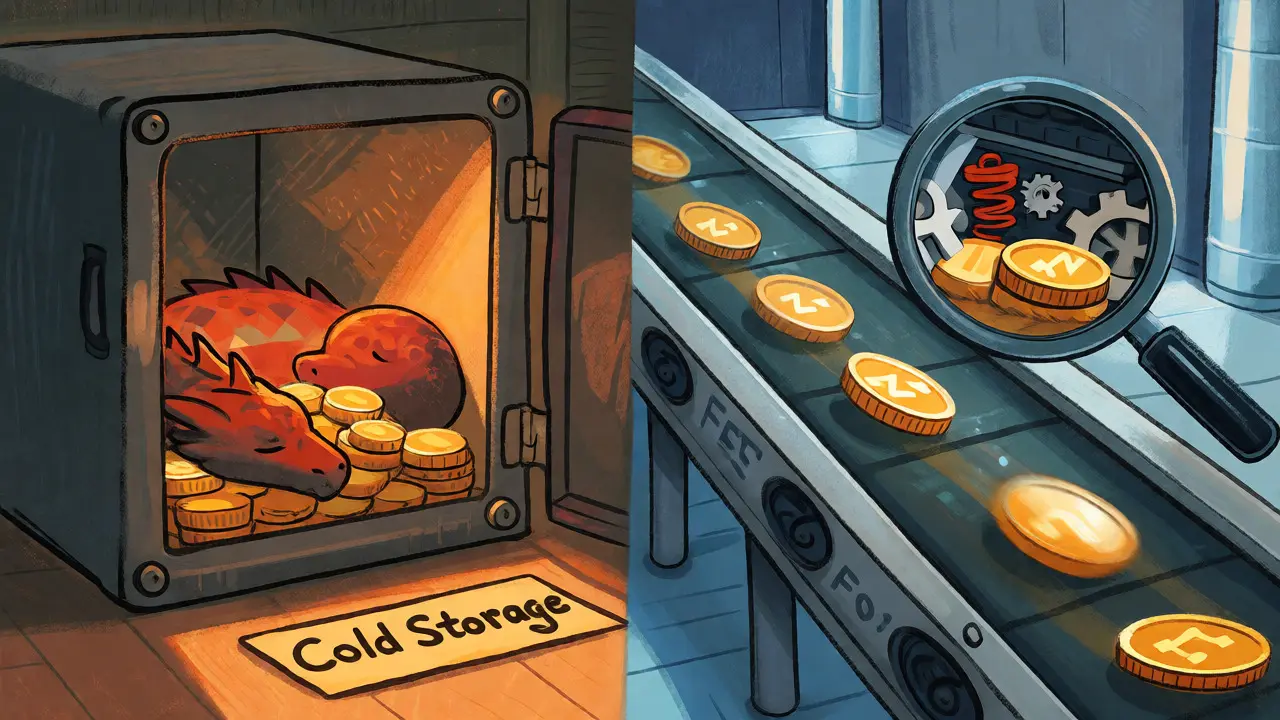
Security is where trust lives or dies. Bitospher states it uses SSL encryption, firewalls, and cold storage. These are table stakes. Every exchange says this. What matters is the percentage of funds in cold storage and whether they publish proof of reserves.
Industry data shows that exchanges keeping over 95% of assets in cold storage suffer significantly fewer hacks. Does Bitospher provide monthly Merkle Tree proofs or independent audits? Search results suggest no recent third-party audits are publicly available. Without a verified audit report from a firm like Mazars or Chainalysis, you are trusting their word alone.
Also, consider two-factor authentication (2FA). Do they support hardware keys like YubiKey, or just SMS? SMS-based 2FA is vulnerable to SIM-swapping attacks. If Bitospher only offers basic email/SMS verification, that is a weak point compared to competitors offering biometric or hardware key options.

User Experience and Support
New exchanges often struggle with customer service. Bitospher claims 24/7 support. On paper, that looks great. In practice, smaller exchanges often use chatbots or have long wait times during peak volatility. Since there are no significant user reviews on Trustpilot or Reddit yet, you are essentially testing their support system yourself.
The interface reportedly supports mobile apps and web trading. Check for API access if you plan to automate trades. Many small exchanges lack robust API documentation, making it hard for developers to integrate bots. If you are a beginner, a clean UI is fine. If you are a pro, check their order book depth. Thin liquidity leads to slippage-meaning you get a worse price than expected when buying large amounts.
Who Should Use Bitospher?
Should you move your savings here? Probably not all of it. Here is a quick decision guide:
- Use it if: You want to test a new platform with a small amount, you prefer flat-fee structures, and you value potential low withdrawal costs.
- Avoid it if: You require verified proof of reserves, you trade high volumes (fees add up), or you need guaranteed regulatory protection under US federal law.
For most people, sticking to established exchanges with transparent audits is safer. Use Bitospher as a secondary wallet or for specific altcoins it might list early, but keep your core holdings in cold storage or on a major exchange.
Is Bitospher really regulated by the SEC?
Not necessarily. While Bitospher claims SEC regulation, the SEC rarely grants formal approval to crypto exchanges in the way traditional banks receive charters. Most exchanges operate under state-level money transmitter licenses. Verify any specific license numbers on official government databases before trusting this claim.
Are there hidden fees on Bitospher?
The main trading fee is 0.25%. While deposits and withdrawals are advertised as free, remember that blockchain network fees (gas) still apply and are paid to miners/validators, not the exchange. Always check the total cost per transaction.
How secure is Bitospher compared to Coinbase?
Coinbase is publicly traded and undergoes rigorous annual audits. Bitospher lacks public, verifiable third-party audit reports. Until Bitospher publishes proof of reserves and independent security assessments, Coinbase is considered more secure due to transparency and institutional backing.
Does Bitospher offer two-factor authentication?
Most modern exchanges, including Bitospher, should offer 2FA. However, check if they support authenticator apps (like Google Authenticator) or hardware keys. Relying solely on SMS for 2FA is less secure against SIM-swapping attacks.
Can I withdraw my money easily?
Withdrawals should work via standard cryptocurrency networks. The claimed zero withdrawal fee applies to the exchange's cut. Network congestion can slow down transactions regardless of the exchange. Test with a small amount first to ensure smooth processing.