
You’ve probably seen ads for BitAsset, a platform promising high-leverage crypto derivatives trading. The marketing looks slick, the returns sound tempting, but there’s a nagging question in the back of your mind: is this real? In the world of cryptocurrency, where rug pulls and vanished funds are all too common, trust isn’t given-it’s earned through transparency, regulation, and a track record of paying out users.
As we move through 2026, the landscape for digital asset trading has tightened significantly. Regulators worldwide are cracking down on unlicensed platforms, and savvy traders know that an exchange without clear regulatory backing is a ticking time bomb. This review cuts through the noise to answer the most important question: should you deposit money into BitAsset, or is it safer to stick with established giants?
The Identity Crisis: Which BitAsset Are We Talking About?
Before we dive into the risks, we need to address a confusing detail that plagues this brand. There appears to be significant market confusion between two different entities using similar names. On one hand, there was "BitAsset Exchange," a Hong Kong-based spot trading platform that saw its activity dwindle years ago. On the other hand, there is the current "BitAsset" platform, which markets itself as a specialist in smart contract-based cryptocurrency derivatives.
This ambiguity is your first red flag. Legitimate financial institutions do not suffer from identity crises. When you search for support, terms of service, or corporate registration details, you often hit dead ends or find outdated information from 2020. For a trader, this lack of clarity is dangerous. If something goes wrong with your account, who exactly are you suing? Where is their headquarters located? These questions remain largely unanswered by the current iteration of the platform.
Regulatory Status: The Biggest Red Flag
In 2026, regulatory compliance is not just a legal formality; it is the primary indicator of a broker’s reliability. Major exchanges like Binance and Coinbase operate under strict licenses in multiple jurisdictions. They undergo regular audits, maintain segregated client funds, and provide clear documentation about their security protocols.
BitAsset, however, operates in a regulatory gray area. There is no publicly available evidence of them holding major licenses from bodies like the SEC (USA), FCA (UK), or ASIC (Australia). While they restrict access to US investors-a common tactic among offshore platforms to avoid American jurisdiction-this does not equate to being "regulated." It simply means they are hiding from the strictest regulators while potentially operating in looser jurisdictions with little oversight.
Without a license, you have no recourse if the platform freezes your withdrawals, manipulates prices, or disappears overnight. Your money is not protected by insurance schemes or government-backed guarantees. You are essentially trusting a black box with your capital.
Transparency and Operational History
Let’s look at the numbers. Historical data suggests that the original BitAsset Exchange reported impressive volumes, such as USD 1.08 billion in 24-hour volume back in June 2019. However, these figures dropped sharply to USD 290 million by March 2020. More importantly, the current derivatives-focused BitAsset lacks detailed public information about its actual trading volume, liquidity providers, or technical infrastructure.
Why does this matter? Because low liquidity can lead to slippage, where your trades are executed at worse prices than expected. Furthermore, without proof of reserves (PoR)-a standard practice now adopted by most reputable exchanges-you cannot verify if the platform actually holds the assets it claims to trade against. Are they matching your bets with real market movements, or are they acting as the counterparty to your trades, profiting when you lose? This conflict of interest is rampant in unregulated binary options and derivative platforms.
| Feature | BitAsset | Binance / Coinbase |
|---|---|---|
| Regulatory License | Unclear / None visible | Holds multiple global licenses |
| Proof of Reserves | Not published | Regularly audited and published |
| User Recourse | Limited to internal support | Legal avenues available |
| Market Reputation | Mixed / High controversy | Industry leaders |
| US Access | Restricted | Available (with restrictions) |
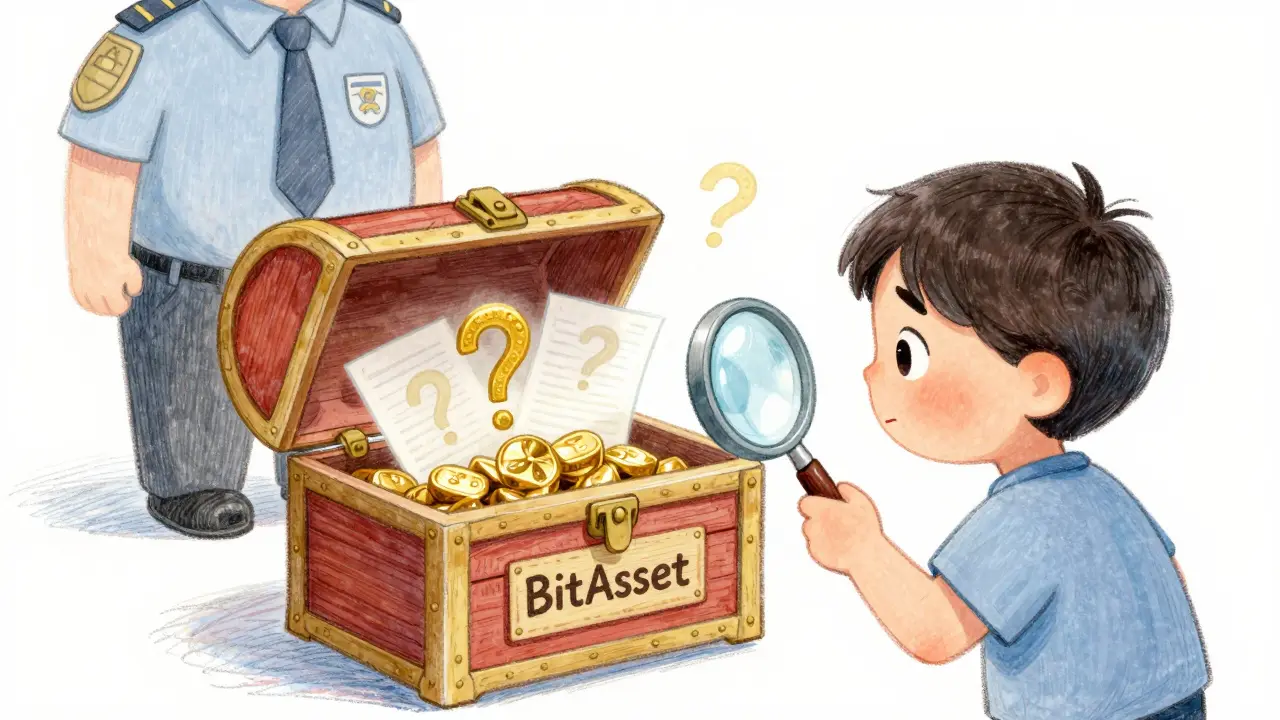
User Feedback and Community Sentiment
If you dig into user forums, Reddit threads, and independent review sites, the picture becomes even murkier. While some traders report satisfactory experiences-likely those who made quick profits and withdrew immediately-a significant number of users raise substantial concerns. Common complaints include difficulties withdrawing funds, unresponsive customer support during critical moments, and accounts being locked without explanation.
The pattern here is familiar. Scam or high-risk platforms often allow small withdrawals early on to build trust. Once larger sums are deposited, or when users try to withdraw significant profits, obstacles appear. Verification processes become endless loops, fees are suddenly applied, or support tickets go unanswered for weeks. This behavior creates a massive trust deficit. In an industry built on code and transparency, silence is suspicious.
Who Should Avoid BitAsset?
Based on the available evidence, BitAsset is unsuitable for several groups of traders:
- Beginners: If you are new to crypto, you lack the experience to identify potential scam operations. Stick to regulated, well-known platforms where the risk of fraud is minimized.
- Risk-Averse Investors: If you cannot afford to lose your entire deposit, do not use BitAsset. The lack of regulatory protection means your capital is at total discretion of the platform operators.
- High-Volume Traders: Without transparent liquidity and proof of reserves, large orders may suffer from severe slippage or manipulation.
Even experienced traders face substantial risks when engaging with platforms that lack regulatory clarity. The absence of detailed documentation about security protocols, fund protection measures, and dispute resolution processes makes any engagement speculative at best.

Safer Alternatives for Derivatives Trading
If you are looking to trade cryptocurrency derivatives, you do not need to take unnecessary risks. Several established platforms offer robust tools, deep liquidity, and clear regulatory standing:
- Binance Futures: Offers a wide range of pairs, high leverage options, and strong liquidity. While it faces regulatory challenges in some regions, it remains one of the largest and most transparent exchanges globally.
- Bybit: Known for its user-friendly interface and strong focus on derivatives. It has improved its regulatory compliance efforts significantly in recent years.
- Coinbase Advanced Trade: Ideal for US-based users who want regulated access to futures and options products.
- KuCoin: Provides a good balance of altcoin availability and derivatives trading, with a growing reputation for reliability.
These platforms publish regular proof-of-reserves reports, have dedicated legal teams, and offer 24/7 support with verified response times. They may not promise the same "easy money" narratives as shady brokers, but they provide a fair playing field.
Final Verdict: Proceed with Extreme Caution
The cryptocurrency market has matured. In 2026, we have the luxury of choosing between dozens of secure, regulated, and transparent exchanges. BitAsset fails to meet the basic standards of legitimacy required in today’s market. Its unclear regulatory status, limited operational transparency, and mixed user feedback position it as a high-risk option.
While it might be tempting to chase higher payouts or unique features, the cost of losing your principal investment is far greater. Until BitAsset provides verifiable regulatory licenses, publishes proof of reserves, and clarifies its corporate structure, it should be avoided. Protect your capital by sticking to platforms that have nothing to hide.
Is BitAsset a scam?
While labeling it definitively as a "scam" requires legal determination, BitAsset exhibits many characteristics of high-risk or fraudulent platforms. These include unclear regulatory status, lack of proof of reserves, and numerous user complaints regarding withdrawal issues. Until these issues are resolved, it should be treated as unsafe.
Can I use BitAsset in the USA?
No, BitAsset restricts access to investors from the United States. This is likely due to strict SEC regulations. However, this restriction does not make the platform safe for users in other countries, as it lacks broader international regulatory compliance.
What is the difference between BitAsset and Binance?
Binance is a globally recognized, heavily regulated exchange with billions in daily volume and transparent proof-of-reserves. BitAsset is an obscure platform with unclear ownership, no visible licenses, and limited transparency. Binance offers a secure environment for trading, whereas BitAsset poses significant financial risks.
How do I check if a crypto exchange is legitimate?
Look for three key indicators: 1) Regulatory licenses from reputable authorities (SEC, FCA, etc.), 2) Regular Proof of Reserves (PoR) audits published on their website, and 3) A long history of positive user feedback on independent forums. If any of these are missing, proceed with caution.
Are my funds safe on BitAsset?
There is no guarantee that your funds are safe on BitAsset. Without regulatory oversight or insurance, the platform controls your deposits entirely. If the company faces financial trouble or decides to cease operations, you may lose all your money with no way to recover it.


Caralee Robertson
June 5 2026i mean like... who actually trusts these shady sites? it feels so sketchy just looking at the homepage. i always feel anxious when i put money into crypto platforms that dont have clear info about where they are located or who owns them. its scary to think about losing everything because some random company decided to vanish overnight. i stick to binance cause at least i know they exist and havent disappeared yet. maybe im just paranoid but my peace of mind is worth more than whatever extra leverage they promise.