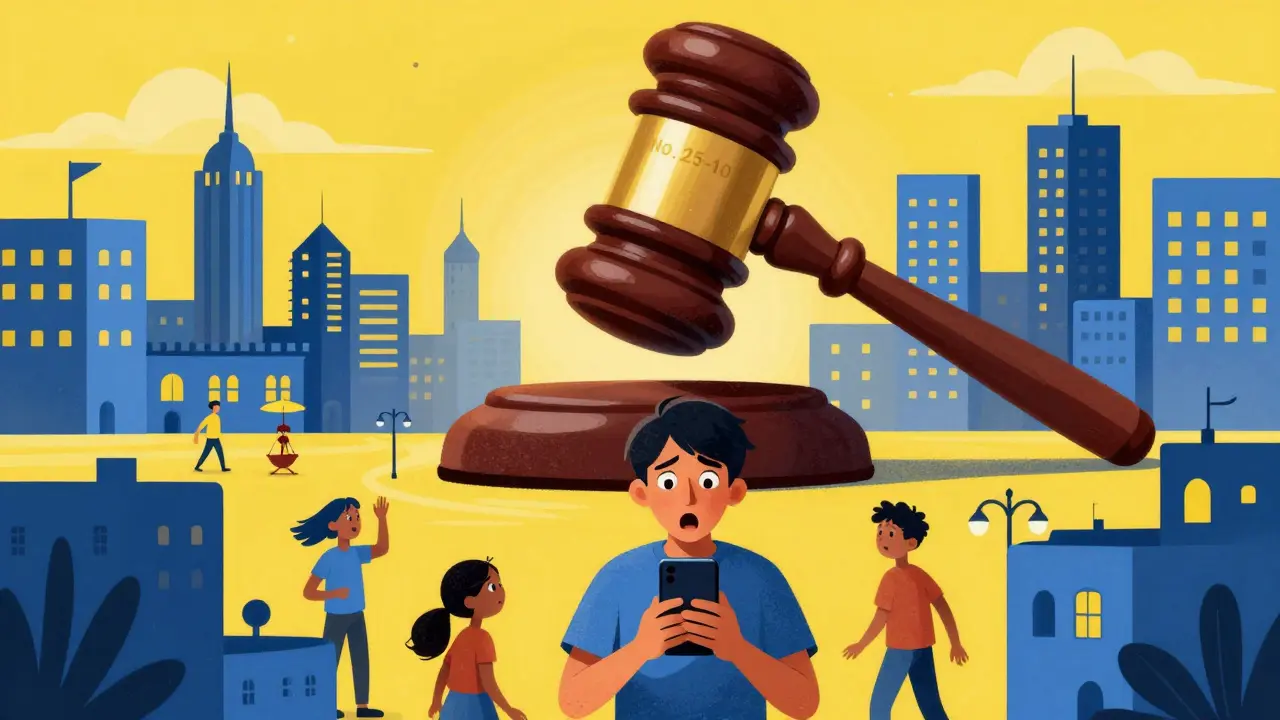
Imagine waking up to find that simply holding a digital wallet on your phone is now a crime punishable by prison time. For millions of people in Algeria, this isn't a dystopian movie plot-it's the legal reality following the enactment of Law No. 25-10 on July 24, 2025. By criminalizing everything from mining to owning a single fraction of a coin, the government tried to wipe crypto off the map. But as history shows with financial bans, pushing a high-demand asset into the shadows doesn't make it disappear; it just creates a sophisticated, risky, and expensive underground market.
The Legal Hammer: Why Crypto Went Underground
To understand the current shadow economy, you have to look at the severity of the laws. While Algeria had a ban back in 2018, it was mostly a "suggestion" with little enforcement. That changed in 2025. The government introduced Article 6 bis, which explicitly outlawed eight different activities. You can't issue tokens, buy or sell assets, use them for payments, or even promote crypto through a social media post.
The stakes are now incredibly high. First-time offenders can face fines between 200,000 and 1 million Algerian dinars, while some reports suggest penalties as high as 2 million dinars (roughly $14,700). Add to that the possibility of one year in prison, and you have a recipe for extreme caution. This aggressive stance was largely influenced by guidelines from the Financial Action Task Force (FATF) to curb money laundering and terror financing. Because the underground crypto market in Algeria is now a criminal enterprise, the usual public forums and Facebook groups have gone silent, replaced by encrypted whispers.
How the Shadow Market Actually Operates
When official exchanges are blocked and bank transfers to crypto platforms are flagged, people get creative. The Algerian underground market survives through three main pillars: Peer-to-Peer (P2P) networks, international platforms, and stablecoins.
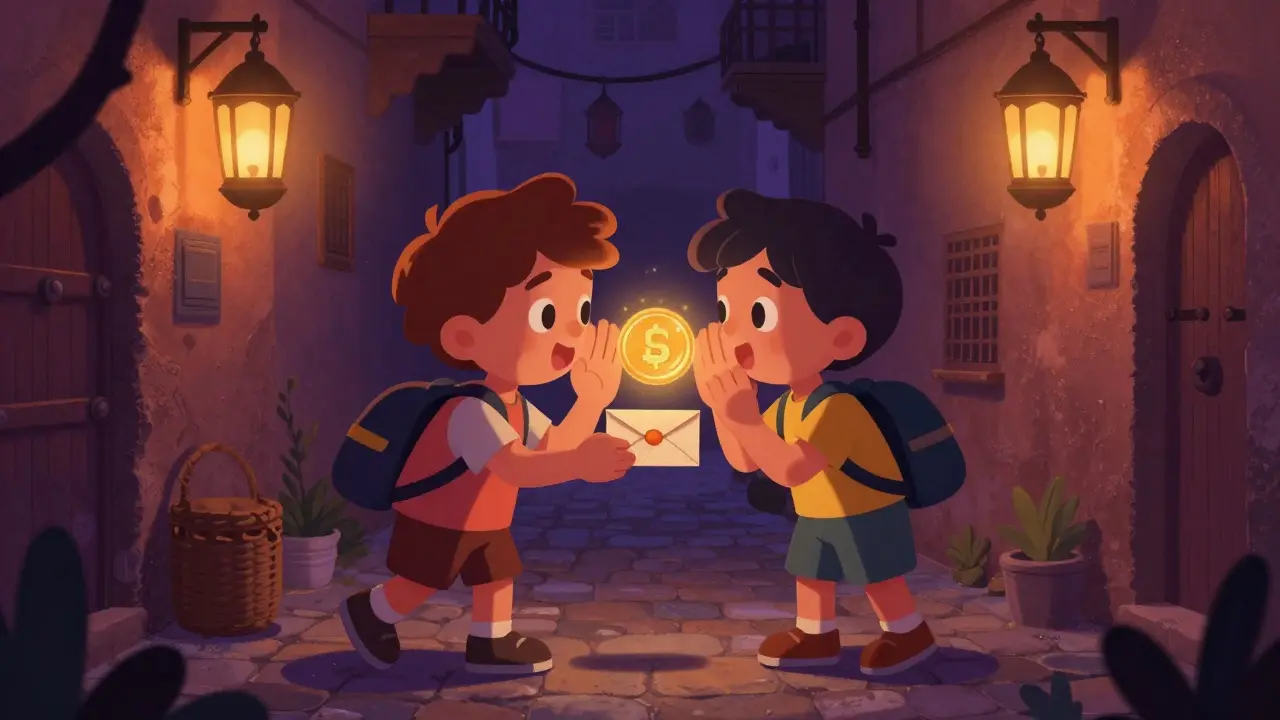
- P2P Trading: This is the heart of the market. Users find trusted partners through encrypted apps like Telegram or Signal. They exchange cash in person or via local bank transfers, and the crypto is sent from one private wallet to another, bypassing any centralized entity that the government could monitor.
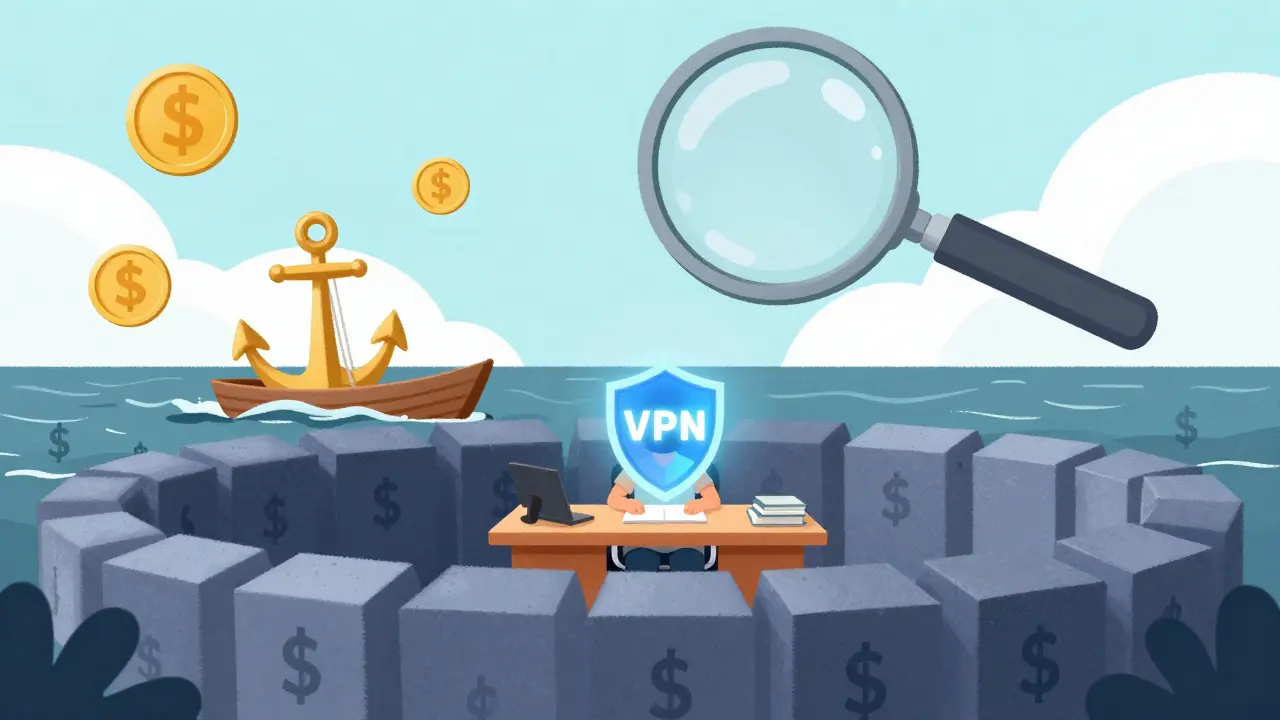
- International Exchanges: Since local access is banned, users rely heavily on VPNs (Virtual Private Networks) to mask their location. This allows them to access global platforms, though they must be careful not to use Algerian identification for KYC (Know Your Customer) processes.
- Stablecoin Reliance: Because the Algerian dinar can be volatile and Bitcoin is too swingy for daily use, Stablecoins (like USDT) have become the primary currency of the underground. They provide a way to preserve value and move funds across borders without the extreme volatility of traditional cryptocurrencies.
Comparing the Legal vs. Underground Experience
If you're wondering why most people avoid the underground market, it comes down to the "risk premium." Trading in a legal environment is seamless; trading in a ban zone is a logistical nightmare.
| Feature | Legal Crypto Market | Algerian Underground Market |
|---|---|---|
| Access | Direct via App/Web | Requires VPN & Encrypted Channels |
| Pricing | Market Rate | Premium Prices (Risk Markup) |
| Security | Legal Recourse for Fraud | Zero Protection; High Scam Risk |
| Liquidity | Instant Execution | Slower, depends on P2P partners |
| Legal Status | Regulated/Legal | Criminal Offense (Prison/Fines) |
The Real Risks: More Than Just a Fine
Entering this market isn't just about risking your money; it's about risking your freedom. There are three layers of danger that every participant faces.
First, there is the Legal Risk. A permanent criminal record in Algeria can destroy a career or make it impossible to travel. Since the 2025 law is so comprehensive, even passive holding is a crime. If authorities seize a device and find a seed phrase or a wallet app, the user is immediately vulnerable.
Second, there is the Financial Risk. In a legal market, if a platform is hacked, there might be insurance or legal paths to recovery. In the underground, if your P2P partner disappears with your cash, you can't call the police. You are essentially operating in a "lawless" zone where the only one protecting your money is your own technical skill.
Finally, there is the Operational Risk. To stay safe, users must implement strict operational security (OpSec). This means using separate devices for crypto, avoiding any mention of digital assets on non-encrypted channels, and carefully managing digital footprints. One wrong click or one leaked screenshot can lead to an investigation.
Is a Total Ban Even Possible?
Algeria's approach mirrors the 2021 ban in China. In both cases, the government aimed for total control over monetary sovereignty. By removing Decentralized Finance (DeFi) from the equation, the state ensures that all capital flows through the central bank.
However, experts like fintech analyst Amir Haddadi suggest that this approach is a double-edged sword. While it might reduce the number of casual users, it concentrates the market among the technically sophisticated. These users know how to use decentralized exchange protocols and privacy coins, making them even harder for the government to track than users on centralized exchanges. The demand for a hedge against currency devaluation doesn't vanish just because a law is passed; it simply evolves.
The Path Forward: What Happens Next?
The future of the Algerian crypto scene depends on the tension between enforcement and technology. If the government ramps up surveillance of internet traffic and bank transfers, the underground market will shrink further or move entirely into "dark" P2P circles. On the other hand, the continued rise of layer-2 solutions and non-custodial wallets makes it technically easier to hide assets from state eyes.
For the average Algerian, the cost of entry has become too high. The combination of technical complexity and the threat of imprisonment has turned a financial tool into a high-stakes gamble. Whether this leads to a total collapse of the market or a permanent, hidden parallel economy remains to be seen, but the era of open crypto adoption in Algeria is firmly over.
What happens if I am caught owning cryptocurrency in Algeria?
Under Law No. 25-10, holding virtual currencies is strictly prohibited. If caught, you could face imprisonment ranging from two months to one year and heavy fines. For first-time offenders, fines typically range from 200,000 to 1 million Algerian dinars, though some cases reach up to 2 million dinars. Repeat offenses can result in doubled penalties.
Why is the underground market more expensive than the global market?
The higher prices are due to a "risk premium." Sellers take on significant legal risks to provide liquidity, and they charge more to compensate for the danger of prison and fines. Additionally, the limited number of available sellers and the use of VPNs and secure channels increase operational costs, which are passed on to the buyer.
Are stablecoins safer to use in Algeria than Bitcoin?
From a price stability perspective, yes. Stablecoins like USDT allow users to hold a value pegged to the US Dollar, avoiding Bitcoin's volatility. However, from a legal perspective, they are just as illegal. Law No. 25-10 covers all "virtual instruments," meaning stablecoins carry the same legal risks and penalties as any other cryptocurrency.
Can the government track cryptocurrency transactions?
While the blockchain itself is transparent, the government tracks users through "on-ramps" and "off-ramps." This means they look for suspicious bank transfers to known exchanges or the use of VPNs to access banned sites. Once a real-world identity is linked to a wallet address, the government can track all associated transactions.
What is the role of P2P trading in the shadow economy?
P2P (Peer-to-Peer) trading allows users to bypass centralized exchanges that the government can block or monitor. By dealing directly with another person-often through cash payments or private transfers-they remove the middleman, making the transaction significantly harder for authorities to detect.


Omotola Balogun
April 12 2026Actually the FATF guidelines aren't just about terror financing, they're mostly about institutional control over cross-border flow. Most peopel don't realize that when a government bans crypto, they're essentially admitting their own currency is a failing product. Its basically a confession of economic weakness dressed up as national securty. If the Dinar was stable, nobody would be risking prison for a bit of USDT anyway. The logic is flawed because it assumes the ban stops the demand, but as we see in Nigeria, P2P just evolves to be more resilient than the state's ability to monitor it. You can't ban a mathematical protocol with a piece of paper signed by some bureaucrat in Algiers. Its simply a waste of administrative resources at this point.